Company dynamics
2026-07-30
Navigating Supplier Catalogs for Comprehensive Aluminum Extrusion Systems
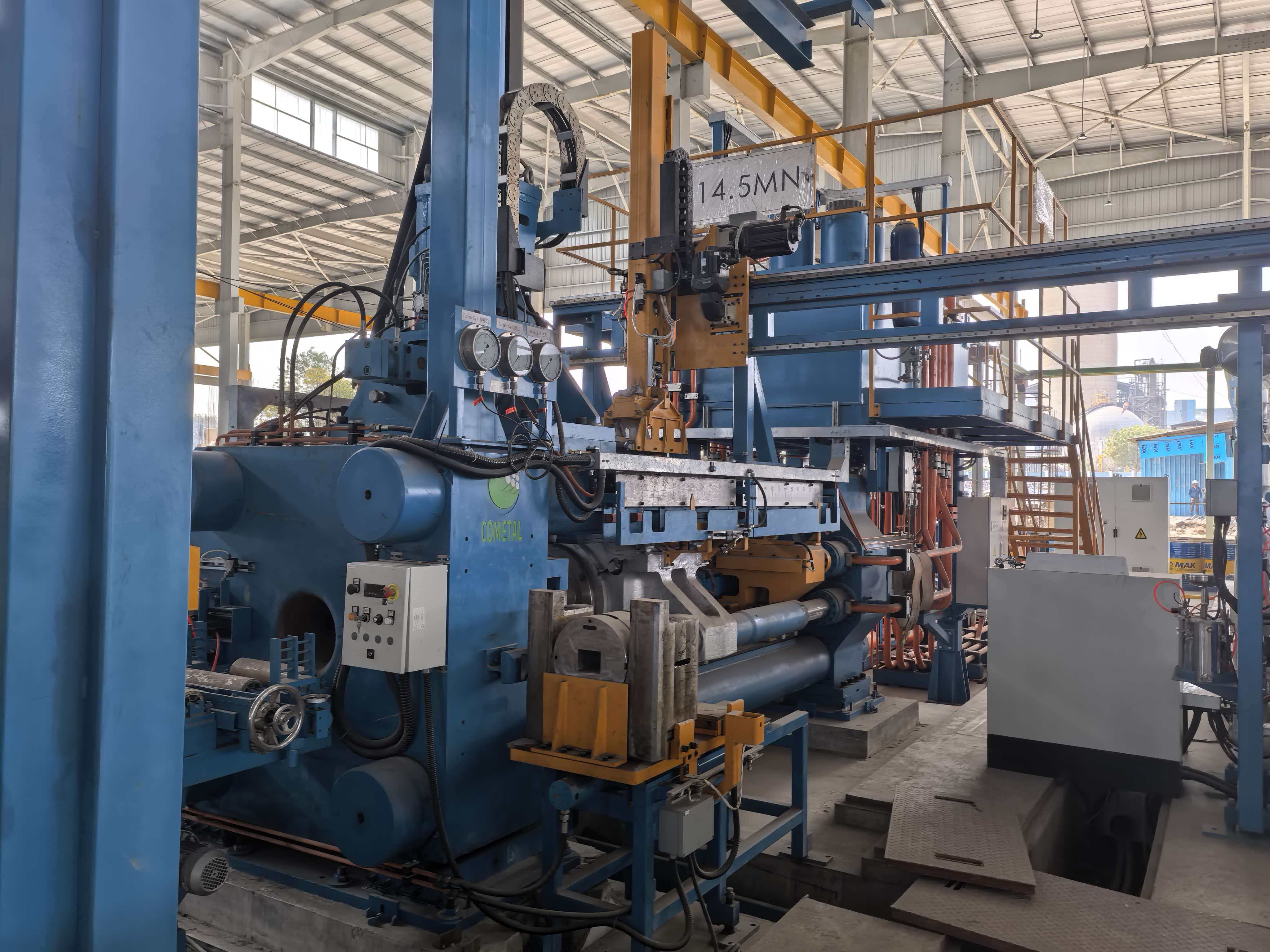
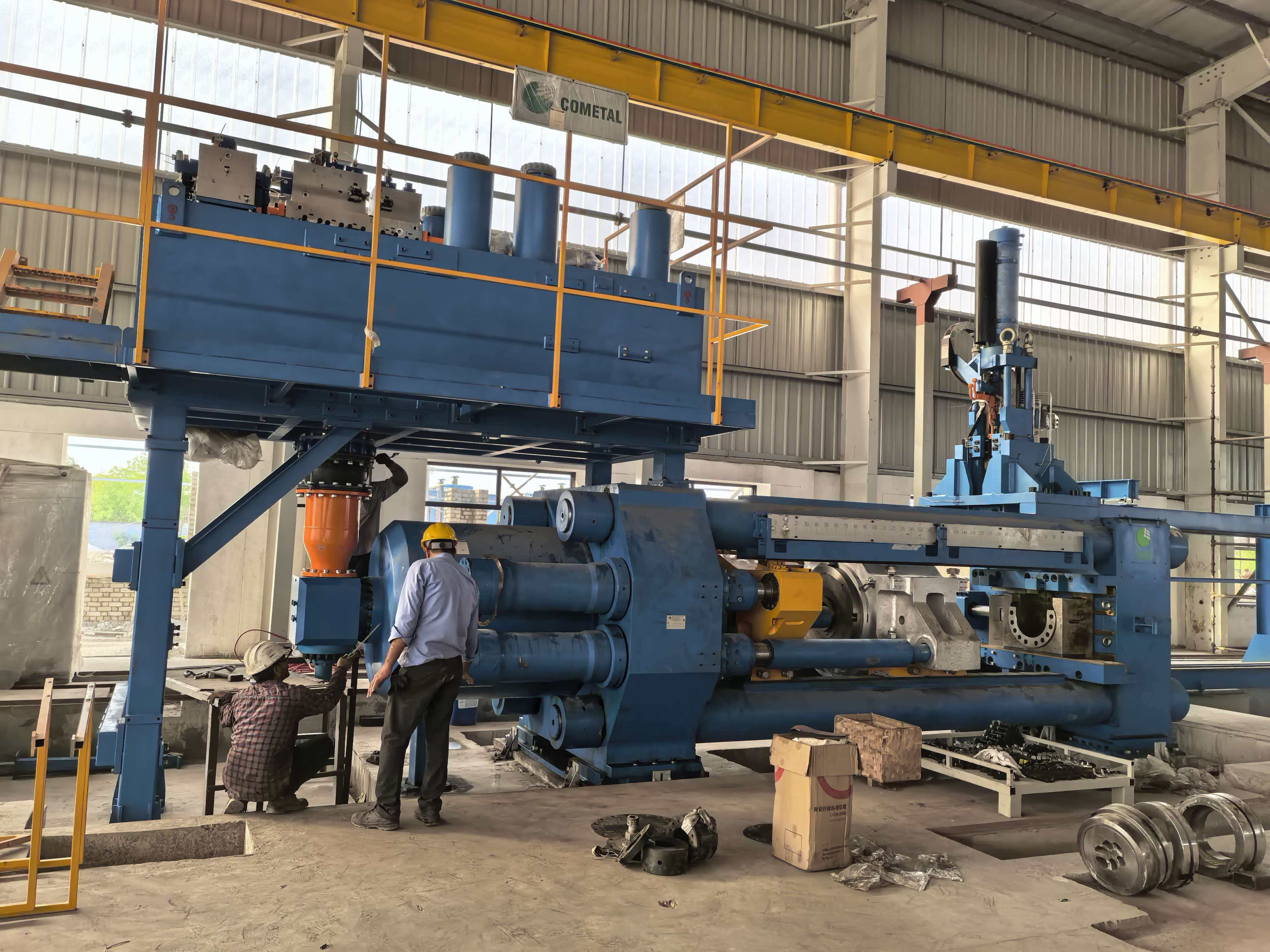
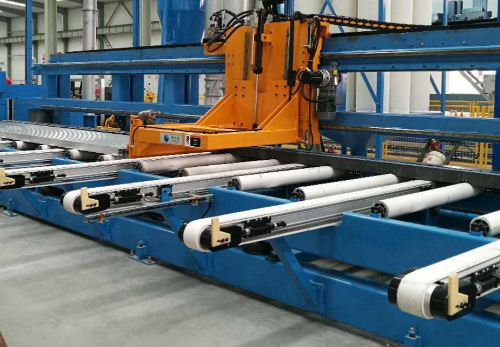
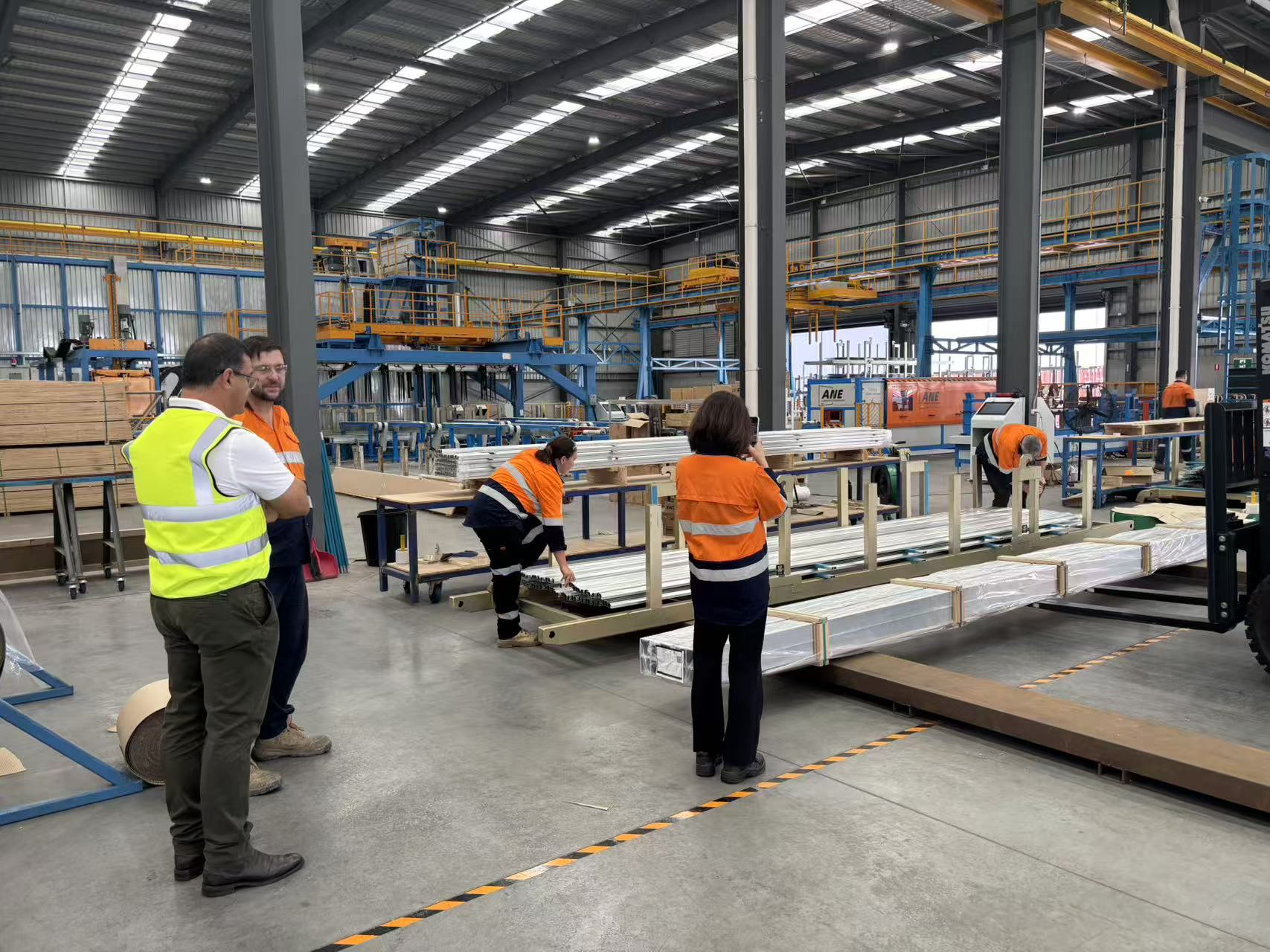
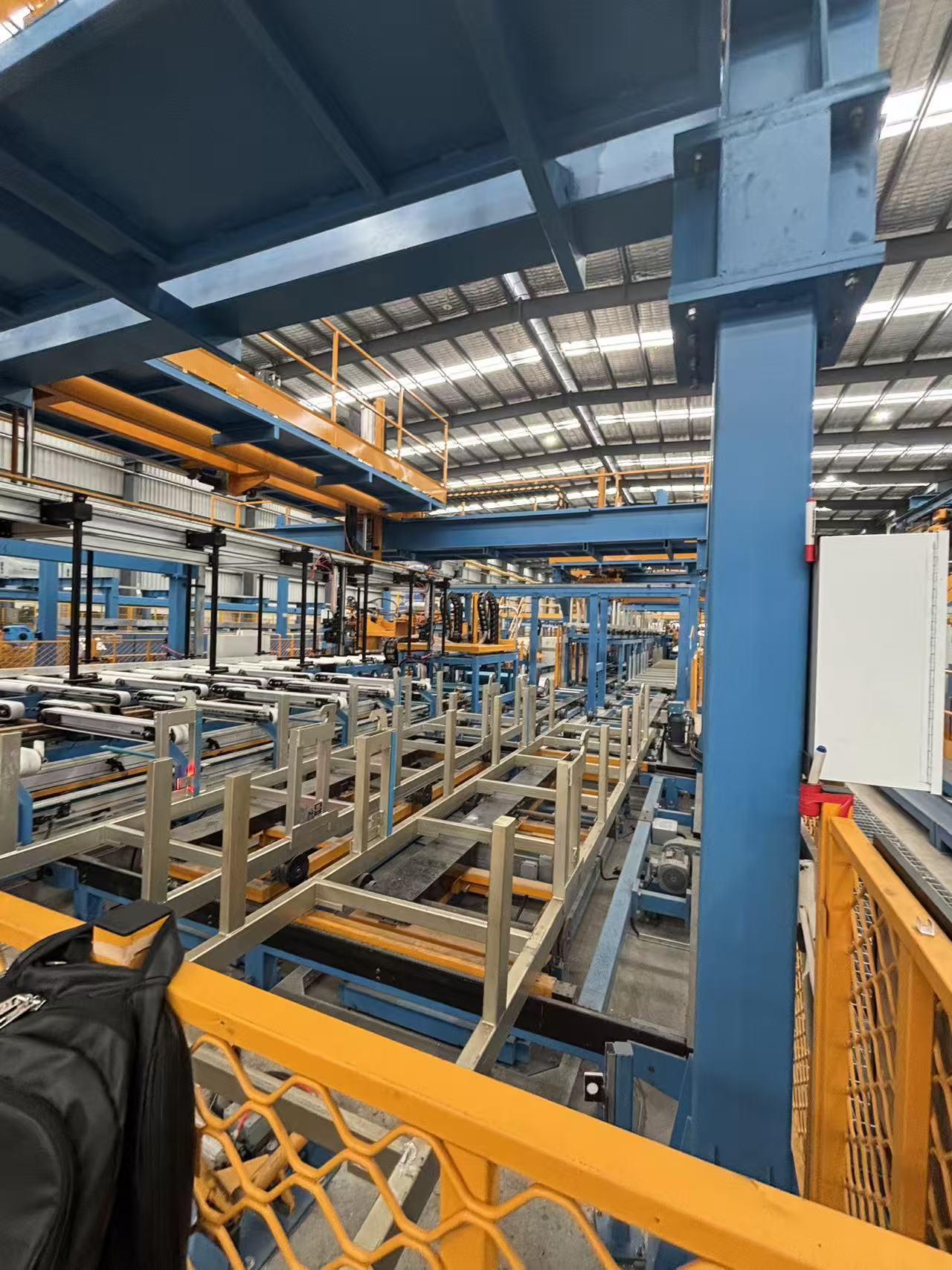
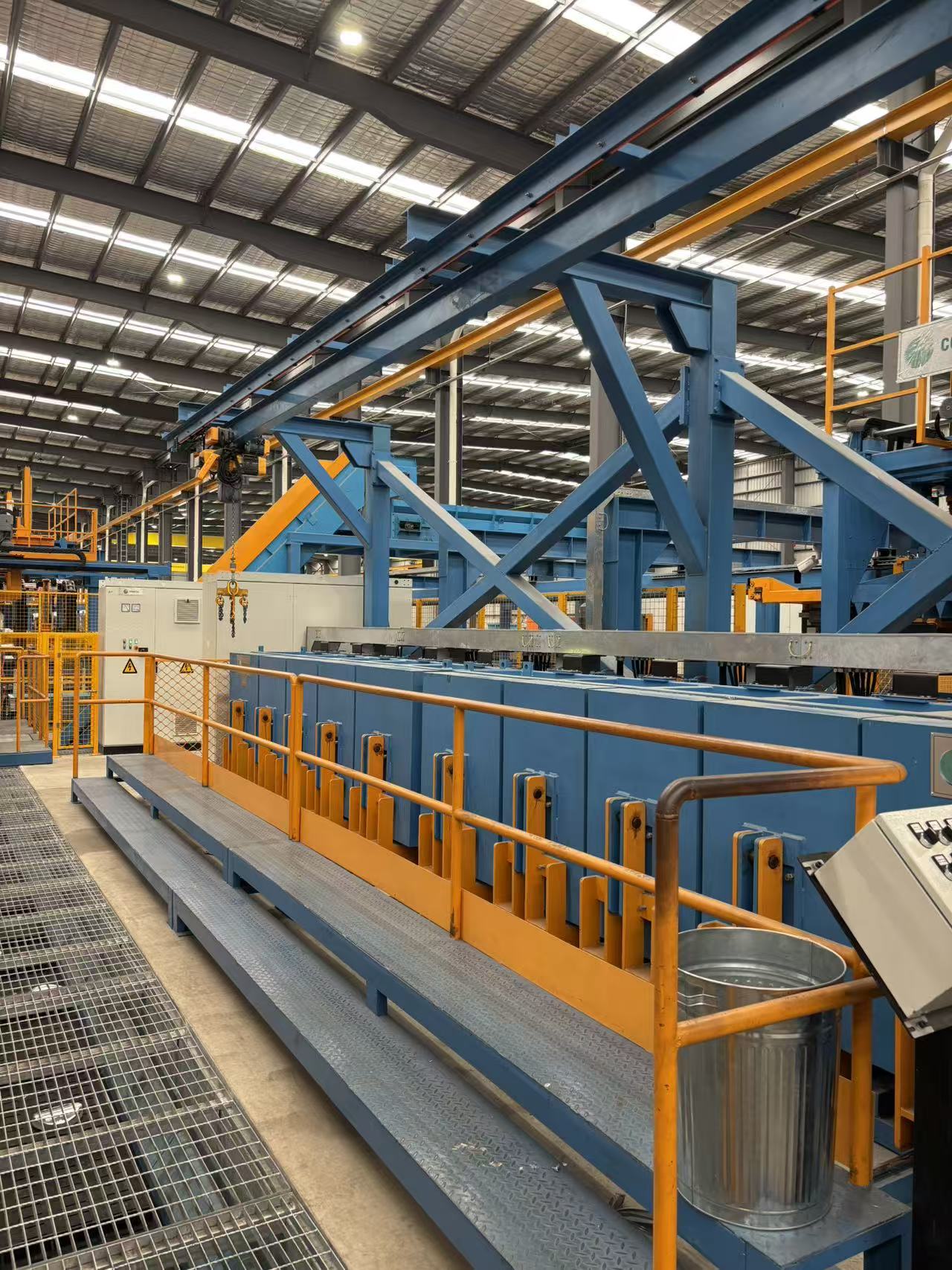
<p><span style=";font-family:Arial;font-size:16px">In bustling industrial plants, where precision meets productivity, manufacturers increasingly turn to automated extrusion production lines to streamline operations. Struggling with inconsistent product quality, fragmented equipment compatibility, and inefficient material flow often hinders optimal output in aluminum profile manufacturing. Addressing these challenges requires a robust aluminum extrusion extrusion line solution designed to integrate seamlessly from billet handling through final profile logistics. Such coordinated systems allow operators to focus on quality and throughput rather than constant troubleshooting. Exploring supplier catalogs, especially among </span><a href="https://www.cometal.cn/article/cn9tkb4GaD"><strong><span style="font-family: Arial;color: rgb(79, 129, 189)">large aluminum extrusion manufacturers</span></strong></a><span style=";font-family:Arial;font-size:16px"> like Cometal Extrusion Lines, reveals a growing emphasis on cohesive extrusion line solutions that support scalability and adapt to evolving production requirements.</span></p><p><span style=";font-family:Arial;font-size:16px"> </span></p><h2><a name="X4b5a497c7ffe8fe4f6474e6b2f5884d3fab3e54"></a><strong><span style="font-family: Arial;color: rgb(79, 129, 189);font-size: 19px">Varieties of Press Capacities and Their Applications in Industry</span></strong></h2><p><span style=";font-family:Arial;font-size:16px">A defining element in selecting an </span><a href="https://www.cometal.cn/article/HCkCmrzPjr"><strong><span style="font-family: Arial;color: rgb(79, 129, 189)">automated extrusion production line</span></strong></a><span style=";font-family:Arial;font-size:16px"> is the press capacity, typically ranging across a wide scale to accommodate varied industrial needs. From medium-sized facilities requiring moderate force to large-scale operations handling heavy-duty profiles, the choice influences both product range and manufacturing speed. Among large aluminum extrusion manufacturers, press capacities can span from around 11 MN to upward of 125 MN, providing versatility to match everything from lightweight frames to structural components. This breadth enables manufacturers to tailor extrusion line solutions precisely to their product portfolio and output goals. The capacity must sync with upstream and downstream process units such as billet loaders and cooling beds to maintain a steady material flow and consistent profile quality. Press size also dictates system robustness and energy consumption, factors critical for optimizing operational costs. Optimal capacities support adaptable workflows where lines can be adjusted for diverse product mixes without prolonged downtimes. Overall, press variety represents a cornerstone of system flexibility, ensuring extrusion line solutions meet stringent industrial standards and variable production volumes.</span></p><p><span style=";font-family:Arial;font-size:16px"> </span></p><h2><a name="Xc8185b96205a77d5b655957700fbcb880169ddc"></a><strong><span style="font-family: Arial;color: rgb(79, 129, 189);font-size: 19px">Modular Line Design Options Available Across Leading Manufacturers</span></strong></h2><p><span style=";font-family:Arial;font-size:16px">In the world of extrusion line solutions, modular design stands out for offering both flexibility and efficiency. Leading large aluminum extrusion manufacturers emphasize modular architectures that allow process units to be combined or scaled depending on specific plant layouts and production targets. Such layouts typically integrate components including billet heating, extrusion presses, cooling systems, pullers, stretching devices, and finishing stations into unified, automated systems. The modular approach simplifies customization, enabling manufacturers to start with a core production line and add or upgrade sections as product demands evolve. This design philosophy also reduces downtime by allowing individual modules to undergo maintenance or replacement without halting the entire line. Moreover, a modular aluminum extrusion extrusion line solution contributes to enhanced operational reliability, as each segment can be fine-tuned independently while maintaining overall system harmony. This adaptability ensures that manufacturers can optimize their workflows, minimize waste, and respond quickly to market shifts. Remote monitoring and standardized interfaces embedded in these modular lines further streamline troubleshooting, saving time and reducing operator intervention. Thus, modularity not only supports scalable production but also aligns with long-term efficiency goals in extrusion manufacturing.</span></p><p><span style=";font-family:Arial;font-size:16px"> </span></p><h2><a name="X0434de2a0ba6fbc669cfb53c05b036af1cc140e"></a><strong><span style="font-family: Arial;color: rgb(79, 129, 189);font-size: 19px">Key Automation Features Highlighted in Current Aluminum Extrusion Lines</span></strong></h2><p><span style=";font-family:Arial;font-size:16px">Automation serves as the centerpiece of modern extrusion line solutions, revolutionizing the efficiency and consistency of aluminum profile production. An automated extrusion production line integrates advanced control systems that coordinate all process stages-from billet loading through cutting and stacking-maximizing throughput while reducing human error. Current solutions widely favored by large aluminum extrusion manufacturers include user-friendly interfaces providing full visibility into operational status and remote diagnostics capabilities. Such features allow operators to monitor energy usage, process stability, and equipment health in real time, enabling swift response to deviations and minimizing unplanned downtime. Automation also drives precise regulation of temperatures, extrusion speeds, and cooling rates, ensuring uniform material properties across production runs. With embedded intelligence, these lines enforce quality standards automatically, diminishing scrap rates and boosting yield. By orchestrating material flow and mechanical motions seamlessly, automated aluminum extrusion extrusion line solutions reduce manual labor demands and foster safer working environments. This technological integration enhances lifecycle efficiency and supports flexible adaptation to changing product types while delivering measurable gains in productivity and cost-effectiveness. Hence, automation stands as a pivotal factor in elevating extrusion line performance within the competitive landscape of aluminum processing.</span></p><p><span style=";font-family:Arial;font-size:16px"> </span></p><p><span style=";font-family:Arial;font-size:16px">As industrial operations become increasingly complex, relying on extrusion line solutions designed by large aluminum extrusion manufacturers offers tangible reassurance amid uncertainty. Systems engineered with varying press capacities and modular frameworks provide a comfortable balance between customization and reliability in automated extrusion production lines. Features such as intuitive control interfaces and comprehensive diagnostics reduce operational risks while supporting consistent product quality. The adaptable design of these aluminum extrusion extrusion line solutions ensures manufacturers can evolve alongside shifting market demands with minimal disruption. When considering the future of aluminum profile production, integrating automation, scalability, and robust system integration not only facilitates daily workflows but also strengthens long-term resilience in manufacturing environments.</span></p><p><span style=";font-family:Arial;font-size:16px"> </span></p><p><span style=";font-family:Arial;font-size:16px"> </span></p><h3><a name="related-links"></a><strong><span style="font-family: Arial;color: rgb(79, 129, 189);font-size: 16px">Related Links</span></strong></h3><p><span style=";font-family:Arial;font-size:16px"> </span></p><p style="margin-left:48px"><span style="font-family:Arial;font-size:16px">• </span><a href="https://www.cometal.cn/article/cn9tkb4GaD"><span style=";font-family:Arial;color:rgb(79,129,189)">WHAT WE DO</span></a><span style=";font-family:Arial;font-size:16px"> - Discover how our automated extrusion production lines enhance manufacturing efficiency and quality.</span></p><p style="margin-left:48px"><span style="font-family:Arial;font-size:16px">• </span><a href="https://www.cometal.cn/index/Article/index.html?cid=hgSxhkyxiF&visitPower=qoffjesawj"><span style=";font-family:Arial;color:rgb(79,129,189)">Extrusion Press</span></a><span style=";font-family:Arial;font-size:16px"> - Learn about the various extrusion presses that cater to diverse industrial applications.</span></p><p style="margin-left:48px"><span style="font-family:Arial;font-size:16px">• </span><a href="https://www.cometal.cn/index/Article/index.html?cid=q2hNQTrecw&visitPower=qoffjesawj"><span style=";font-family:Arial;color:rgb(79,129,189)">Upstream</span></a><span style=";font-family:Arial;font-size:16px"> - Explore our upstream solutions designed to support seamless material handling in extrusion processes.</span></p><p style="margin-left:48px"><span style="font-family:Arial;font-size:16px">• </span><a href="https://www.cometal.cn/article/HCkCmrzPjr#1"><span style=";font-family:Arial;color:rgb(79,129,189)">Profiles</span></a><span style=";font-family:Arial;font-size:16px"> - Understand the different profiles we produce and how they integrate into various applications.</span></p><p style="margin-left:48px"><span style="font-family:Arial;font-size:16px">• </span><a href="https://www.cometal.cn/article/HCkCmrzPjr#4"><span style=";font-family:Arial;color:rgb(79,129,189)">Our Partners</span></a><span style=";font-family:Arial;font-size:16px"> - Meet our partners who contribute to the efficiency and innovation of our aluminum extrusion lines.</span></p><p><br/></p>
Company dynamics
2026-07-30
Key Features of High-capacity Aluminum Extrusion Press Lines in Modern Industry
<p><span style=";font-family:Arial;font-size:16px">In many </span><a href="https://www.cometal.cn/article/cn9tkb4GaD"><strong><span style="font-family: Arial;color: rgb(79, 129, 189)">large aluminum extrusion manufacturers</span></strong></a><span style=";font-family:Arial;font-size:16px">, operational bottlenecks often emerge from inefficient billet handling, inconsistent heating, or frequent interruptions during production. These challenges can delay schedules, reduce output quality, and increase maintenance burdens. An automated extrusion production line is designed to tackle these issues head-on by streamlining the process from billet loading to final profile finishing. By integrating sophisticated controls and tailored extrusion line solutions, manufacturers can ensure smooth material flow, higher throughput, and greater product uniformity. This shift from fragmented manual steps to a cohesive system is a practical response to the complex demands of modern aluminium profile production and reflects growing expectations for reliability and efficiency in industrial operations.</span></p><p><span style=";font-family:Arial;font-size:16px"> </span></p><h2><a name="X63ec588c1f695cd3873180b45a5816bf06cc4de"></a><strong><span style="font-family: Arial;color: rgb(79, 129, 189);font-size: 19px">Handling and Heating Solutions from Billet Loading to Finishing Profiles</span></strong></h2><p><span style=";font-family:Arial;font-size:16px">Effective billet handling and heating are the foundation of any aluminum extrusion extrusion line solution. In large aluminum extrusion manufacturers, the process begins with organized billet loading that minimizes manual handling and reduces downtime. </span><a href="https://www.cometal.cn/article/HCkCmrzPjr"><strong><span style="font-family: Arial;color: rgb(79, 129, 189)">Automated extrusion production lines</span></strong></a><span style=";font-family:Arial;font-size:16px"> often incorporate automated loaders that precisely position billets for heating, ensuring uniform temperature distribution vital for consistent extrusion. The heating units themselves utilize advanced control systems to maintain proper thermal profiles, preventing defects and optimizing material flow during extrusion. After extrusion, the transition to finishing profiles is managed seamlessly through synchronized conveyors and cutting tools that reduce cycle times. These integrated solutions allow operators to focus on quality assurance rather than constant adjustments or troubleshooting. The ability to customize the sequence and configuration of handling and heating equipment enables manufacturers to adjust quickly to different product designs and production volumes, a critical advantage in rapidly changing markets. Overall, this careful coordination enhances productivity while securing profile quality in demanding usage environments.</span></p><p><span style=";font-family:Arial;font-size:16px"> </span></p><h2><a name="X7728350ee78565e00fc3642953d093c782a3239"></a><strong><span style="font-family: Arial;color: rgb(79, 129, 189);font-size: 19px">Cooling Technologies and Their Effect on Profile Quality</span></strong></h2><p><span style=";font-family:Arial;font-size:16px">Cooling is a decisive phase in the aluminum extrusion process where profile integrity and appearance are established. Extrusion line solutions featuring Balance Intensive Cooling Systems (BICS) address the need for uniform and controlled thermal management immediately after extrusion presses. In large aluminum extrusion manufacturers, such technology plays a pivotal role in preventing warping, surface blemishes, and dimensional inaccuracies caused by uneven cooling rates. The incorporation of automated extrusion production line components allows the cooling beds and pullers to operate with precise timing and synchronization, reducing stress and distortion. Advanced cooling systems also contribute to shorter cycle times by stabilizing profiles faster and preparing them efficiently for subsequent stretching and cutting operations. By linking cooling with automated stretchers and finishing saws, the entire cooling-to-finishing workflow becomes a fluid sequence that improves throughput without sacrificing quality. These technical advancements not only enhance product consistency but also reduce scrap rates and lower rework, yielding cost benefits and boosting overall operational reliability within extrusion plants.</span></p><p><span style=";font-family:Arial;font-size:16px"> </span></p><h2><strong><span style="font-family: Arial;color: rgb(79, 129, 189);font-size: 19px">Automation Interfaces That Minimize Operator Intervention and Speed Troubleshooting</span></strong></h2><p><span style=";font-family:Arial;font-size:16px">Automation interfaces are a critical element within extrusion line solutions that distinguishes modern production environments from older, labor-intensive setups. Large aluminum extrusion manufacturers widely favor automated extrusion production lines because they offer centralized control platforms that deliver real-time monitoring and diagnostic capabilities. Operators can access detailed process parameters from billet loading through to finished profile handling, enabling quick identification of anomalies or equipment inefficiencies. This visibility minimizes unnecessary intervention, as the system itself can adjust controls to maintain steady operation or signal when manual input is genuinely required. Remote diagnostics and troubleshooting functions further reduce downtime by allowing support teams to analyze issues quickly without physical presence onsite. The intuitive design of such interfaces also shortens the learning curve for new operators, contributing to smoother shifts and consistent productivity. By integrating automation with modular equipment architecture, manufacturers gain flexibility to upgrade or expand their lines with minimal disruption. These features exemplify how extrusion line solutions today align with industry goals of operational excellence, safety, and energy efficiency.</span></p><p><span style=";font-family:Arial;font-size:16px"> </span></p><p><span style=";font-family:Arial;font-size:16px">The practical benefits of an automated extrusion production line are evident in how it harmonizes each critical production phase while enhancing adaptability. For large aluminum extrusion manufacturers, the combination of precise handling and heating, controlled cooling methods, and comprehensive automation interfaces creates a dependable environment that supports both scale and quality. This approach increases throughput, heightens operator comfort, and reduces operational risk by preventing process interruptions. The modular design and integrated controls mean lines can evolve alongside changing product requirements or technological advances. When an extrusion line solution incorporates these capabilities, as seen in offerings from Cometal Extrusion Lines, it represents more than just equipment: it becomes a robust platform that propels industry progress and cultivates lasting confidence in production consistency. As aluminum extrusion needs continue to shift toward greater customization and volume, such systems offer a forward-looking foundation for resilient and responsive manufacturing.</span></p><p><span style=";font-family:Arial;font-size:16px"> </span></p><p><span style=";font-family:Arial;font-size:16px"> </span></p><h3><strong><span style="font-family: Arial;color: rgb(79, 129, 189);font-size: 16px">Related Links</span></strong></h3><p><span style=";font-family:Arial;font-size:16px"> </span></p><p style="margin-left:48px"><span style="font-family:Arial;font-size:16px">• </span><a href="https://www.cometal.cn/article/cn9tkb4GaD"><span style=";font-family:Arial;color:rgb(79,129,189)">WHAT WE DO</span></a><span style=";font-family:Arial;font-size:16px"> - Discover how our solutions enhance aluminum extrusion processes for large manufacturers.</span></p><p style="margin-left:48px"><span style="font-family:Arial;font-size:16px">• </span><a href="https://www.cometal.cn/index/Article/index.html?cid=hgSxhkyxiF&visitPower=qoffjesawj"><span style=";font-family:Arial;color:rgb(79,129,189)">Extrusion Press</span></a><span style=";font-family:Arial;font-size:16px"> - Learn about the cutting-edge extrusion press technology that boosts efficiency and quality.</span></p><p style="margin-left:48px"><span style="font-family:Arial;font-size:16px">• </span><a href="https://www.cometal.cn/articlelist/vc6bHoocj3"><span style=";font-family:Arial;color:rgb(79,129,189)">CASE</span></a><span style=";font-family:Arial;font-size:16px"> - Explore our successful case studies showcasing the effectiveness of automated extrusion systems.</span></p><p style="margin-left:48px"><span style="font-family:Arial;font-size:16px">• </span><a href="https://www.cometal.cn/article/HCkCmrzPjr"><span style=";font-family:Arial;color:rgb(79,129,189)">WHO WE ARE</span></a><span style=";font-family:Arial;font-size:16px"> - Find out about our company and our commitment to innovation in aluminum extrusion solutions.</span></p><p style="margin-left:48px"><span style="font-family:Arial;font-size:16px">• </span><a href="https://www.cometal.cn/article/uE9g9aJjNK"><span style=";font-family:Arial;color:rgb(79,129,189)">Foundry</span></a><span style=";font-family:Arial;font-size:16px"> - Understand the advancements in foundry operations that support high-capacity production lines.</span></p><p><br/></p>
Company dynamics
2026-07-29
Why Modular Extrusion Line Design Supports Longer Equipment Lifecycles
<h1><strong><span style="font-family: Calibri;color: rgb(46, 116, 181);font-size: 21px">1. The Lifecycle Problem in Aluminum Extrusion Operations</span></strong></h1><p><span style="font-family: Calibri;font-size: 15px">Aluminum extrusion plants rarely stand still. Product mixes change, downstream customers request new profile shapes, delivery windows tighten, and utilities become a larger operating concern. Yet many production assets were specified around a single capacity assumption or a narrow layout. When demand, alloy mix, finishing requirements, or handling logic later changes, an otherwise serviceable line can appear obsolete because one constrained subsystem limits the rest of the process.</span></p><p><span style="font-family: Calibri;font-size: 15px">That mismatch is not only a capital-planning problem. It can create avoidable material handling, maintenance pressure, and premature replacement decisions. A line that is difficult to access, diagnose, or reconfigure may accumulate downtime and workarounds even when its core equipment remains capable. Lifecycle thinking therefore asks a different question from whether a line can run today: can its individual systems continue to serve changing production needs without forcing an entire asset to be discarded?</span></p><p><span style="font-family: Calibri;font-size: 15px"> </span></p><h1><strong><span style="font-family: Calibri;color: rgb(46, 116, 181);font-size: 21px">2. What Modular Design Means in an Extrusion Line</span></strong></h1><p><span style="font-family: Calibri;font-size: 15px">In this setting, modular design means dividing a complete production system into coordinated functional units with defined responsibilities and interfaces. A typical extrusion line may include billet loading, heating, hot cutting, the press, cooling, puller equipment, stretching, saws, aging, stacking, and internal logistics. Modules do not operate independently; they depend on compatible controls, safe handoffs, data visibility, and sensible physical layout. The value lies in preserving those interfaces while allowing selected elements to be maintained, upgraded, or reconfigured as production needs evolve.</span></p><p><span style="font-family: Calibri;font-size: 15px">The approach should not be confused with buying disconnected machines. A line is only modular in a useful lifecycle sense when its mechanical, electrical, automation, and material-flow decisions have been planned as a system. Buyers should ask how upgrades would affect upstream and downstream equipment, which performance evidence can be retained after a change, and whether service access remains practical once the line is installed. These questions turn modularity from a marketing label into an engineering and procurement discipline.</span></p><p><span style="font-family: Calibri;font-size: 15px"> </span></p><h1><strong><span style="font-family: Calibri;color: rgb(46, 116, 181);font-size: 21px">3. Four Ways Modularity Can Extend Useful Equipment Life</span></strong></h1><h2><strong><span style="font-family: Calibri;color: rgb(46, 116, 181);font-size: 17px">3.1 Right-sizing capacity before adding complexity</span></strong></h2><p><span style="font-family: Calibri;font-size: 15px">An extrusion press and its supporting equipment should be selected for credible operating requirements rather than the largest theoretical configuration. A capacity range can be useful when it lets a plant align press force, billet handling, heating, cooling, and finishing with its actual profile portfolio. Right-sizing does not promise lower energy use by itself, but it can reduce the risk of carrying oversized auxiliary systems whose output is rarely needed. A specification should document the intended workload, expected expansion path, and the components that would change if capacity grows.</span></p><h2><strong><span style="font-family: Calibri;color: rgb(46, 116, 181);font-size: 17px">3.2 Replacing constrained subsystems instead of whole lines</span></strong></h2><p><span style="font-family: Calibri;font-size: 15px">Production constraints often emerge in a subsystem rather than in the complete line. A new profile family may require different handling, a cooling stage may need closer control, or logistics may need to accommodate a new stacking sequence. When interfaces are planned, a plant may be able to focus investment on the relevant unit while retaining compatible upstream and downstream assets. The environmental relevance is practical rather than automatic: retaining sound equipment can avoid an early replacement cycle, provided the revised system remains safe, reliable, and suited to the process.</span></p><h2><strong><span style="font-family: Calibri;color: rgb(46, 116, 181);font-size: 17px">3.3 Making maintenance a design input</span></strong></h2><p><span style="font-family: Calibri;font-size: 15px">Equipment longevity depends on how maintenance is performed, not merely on service intervals written in a manual. Clear access to wear components, logical isolation points, diagnostic visibility, and spare-part planning can reduce the time between identifying a fault and restoring stable operation. Remote diagnostic capability can support faster troubleshooting, but it does not replace local inspection or a disciplined maintenance program. Procurement teams should request maintenance pathways, recommended consumables, and examples of how critical modules can be serviced without disturbing unrelated equipment.</span></p><p><span style="font-family: Calibri;font-size: 15px">Serviceability also has an information dimension. Controls and diagnostic records should make it possible to distinguish a repeatable process limitation from an isolated maintenance event. Without that distinction, a plant can spend on broad replacements when a local sensor, handling sequence, or wear component is the real constraint. A modular architecture is more useful when its documentation identifies the signals, alarms, ownership boundaries, and safe intervention points that support this kind of evidence-led troubleshooting.</span></p><h2><strong><span style="font-family: Calibri;color: rgb(46, 116, 181);font-size: 17px">3.4 Preserving a stable material flow</span></strong></h2><p><span style="font-family: Calibri;font-size: 15px">A line that hands material consistently from billet preparation through finished-profile logistics can support repeatable work rather than repeated manual correction. Automated handoffs, coordinated cooling, and compatible downstream handling may reduce opportunities for damage or misrouting. The appropriate claim is not that automation guarantees zero waste. Instead, plants should measure where profiles are held, reworked, or rejected, then test whether a change in flow improves those conditions. This evidence-based approach is more useful than broad sustainability language because it links the claim to actual operating records.</span></p><p><span style="font-family: Calibri;font-size: 15px"> </span></p><h1><strong><span style="font-family: Calibri;color: rgb(46, 116, 181);font-size: 21px">4. The Environmental Logic Behind Longer Asset Life</span></strong></h1><p><span style="font-family: Calibri;font-size: 15px">A longer useful equipment life can support resource efficiency when it delays unnecessary replacement and helps a facility use the materials, labor, and embedded manufacturing effort already present in installed assets. This logic is consistent with broader sustainable materials management principles, which consider the full life cycle of materials rather than only the point of disposal. It is also relevant to aluminum processing because the industry tracks energy, material supply, and recycling performance across interconnected production stages (S1, S3, S4, S6).</span></p><p><span style="font-family: Calibri;font-size: 15px">However, lifecycle claims require boundaries. Extending a line that operates unreliably or consumes disproportionate resources is not automatically the sustainable option. The decision should compare maintenance demand, safety, quality stability, utility data, and the material consequences of both upgrade and replacement. ISO 50001 provides a useful management frame because it emphasizes measurable energy performance rather than assumed efficiency (S2). In practice, a buyer should treat modularity as a way to make evidence-led decisions over time, not as proof of environmental performance at the moment of purchase.</span></p><p><span style="font-family: Calibri;font-size: 15px">The same caution applies to circularity language. Aluminum has strong recycling relevance, but that sector-level fact does not establish the lifecycle result of a particular extrusion line. The plant still needs to understand how its billet inputs, scrap collection, profile handling, and rework decisions interact with the installed process. A credible article or procurement claim should name its data source, period, and boundary. Doing so gives operations teams a basis for improvement and protects readers from confusing a material attribute with a verified equipment outcome.</span></p><p><span style="font-family: Calibri;font-size: 15px"> </span></p><h1><strong><span style="font-family: 宋体;color: rgb(46, 116, 181);font-size: 21px"><span style="font-family:Calibri">5</span></span></strong><strong><span style="font-family: Calibri;color: rgb(46, 116, 181);font-size: 21px">. When a Modular Approach May Be Less Suitable</span></strong></h1><p><span style="font-family: Calibri;font-size: 15px">Modularity has limits. A highly standardized operation with a stable product range may obtain little value from a broad expansion path. A retrofit can also be weak if legacy safety systems, controls, or foundations cannot support the intended change. In other cases, a plant may lack the service capacity to manage several configurable modules, making a simpler architecture more appropriate. These boundaries should be stated early because a long lifecycle is valuable only when it remains technically coherent and commercially maintainable.</span></p><p><span style="font-family: Calibri;font-size: 15px">The sensible decision is therefore neither replace by default nor upgrade by default. It is to establish the failure mode, collect data from the affected process, and compare feasible responses against a clear operating objective. Energy-efficiency guidance for industry similarly stresses the value of identifying specific improvement opportunities and managing performance over time rather than relying on broad assumptions (S1, S5).</span></p><h1><strong><span style="font-family: 宋体;color: rgb(46, 116, 181);font-size: 21px"><span style="font-family:Calibri">6</span></span></strong><strong><span style="font-family: Calibri;color: rgb(46, 116, 181);font-size: 21px">. Frequently Asked Questions</span></strong></h1><h3><strong><span style="font-family: Calibri;color: rgb(31, 77, 120);font-size: 15px">Q1: Does modular design automatically make an extrusion line sustainable?</span></strong></h3><p style="margin-bottom:13px"><span style="font-family: Calibri;color: rgb(34, 34, 34);font-size: 15px">A: No. Modularity can make upgrades and maintenance more manageable, but environmental performance should be verified through appropriate data on energy, quality, downtime, material flow, and the selected system boundary.</span></p><h3><strong><span style="font-family: Calibri;color: rgb(31, 77, 120);font-size: 15px">Q2: Which modules should a buyer evaluate first?</span></strong></h3><p style="margin-bottom:13px"><span style="font-family: Calibri;color: rgb(34, 34, 34);font-size: 15px">A: Start with the process constraint that affects the line most often. Depending on the operation, that may be billet heating, cooling, handling, diagnostics, finishing, or logistics. The evaluation should also test how a change affects adjacent modules.</span></p><h3><strong><span style="font-family: Calibri;color: rgb(31, 77, 120);font-size: 15px">Q3: How can a plant decide between retrofitting and replacing equipment?</span></strong></h3><p style="margin-bottom:13px"><span style="font-family: Calibri;color: rgb(34, 34, 34);font-size: 15px">A: Compare both options against the same operating objective. Review safety, structural condition, control compatibility, maintenance demand, product quality, utility evidence, installation disruption, and the expected useful life after the decision.</span></p><h3><strong><span style="font-family: Calibri;color: rgb(31, 77, 120);font-size: 15px">Q4: What evidence supports an equipment-lifecycle claim?</span></strong></h3><p style="margin-bottom:13px"><span style="font-family: Calibri;color: rgb(34, 34, 34);font-size: 15px">A: Useful evidence includes maintenance records, downtime history, energy-data boundaries, rework records, spare-parts availability, upgrade documentation, and measurable changes in the affected process after implementation.</span></p><p style="margin-bottom:13px"><span style="font-family: Calibri;color: rgb(34, 34, 34);font-size: 15px"> </span></p><h1><strong><span style="font-family: 宋体;color: rgb(46, 116, 181);font-size: 21px"><span style="font-family:Calibri">7</span></span></strong><strong><span style="font-family: Calibri;color: rgb(46, 116, 181);font-size: 21px">. Conclusion</span></strong></h1><p><span style="font-family: Calibri;font-size: 15px">Modular extrusion-line design is most valuable when it gives a plant disciplined options rather than vague flexibility. A buyer that documents capacity needs, subsystem interfaces, service access, operating evidence, and upgrade boundaries is better positioned to keep useful equipment in service while addressing genuine production constraints. For plant teams assessing a supplier example, </span><a href="https://www.cometal.cn/"><strong><span style="text-decoration:underline;"><span style="font-family: Calibri;color: rgb(0, 0, 255)">Cometal</span></span></strong></a><span style="font-family: Calibri;font-size: 15px">'s complete aluminum extrusion line provides a concrete product page for applying this same verification framework.</span></p><p><span style="font-family: Calibri;font-size: 15px"> </span></p><p><span style="font-family: Calibri;font-size: 15px"> </span></p><p><span style="font-family: Calibri;font-size: 15px"> </span></p><h1><strong><span style="font-family: Calibri;color: rgb(46, 116, 181);font-size: 10px">7. References</span></strong></h1><h2><strong><span style="font-family: Calibri;color: rgb(46, 116, 181);font-size: 10px">Sources</span></strong></h2><p><strong><span style="font-family: Calibri;color: rgb(23, 50, 77);font-size: 10px">S1. International Energy Agency - Aluminium</span></strong></p><p><strong><span style="font-family: Calibri;color: rgb(91, 103, 112);font-size: 10px">Link:</span></strong></p><p><a href="https://www.iea.org/reports/aluminium"><span style="text-decoration:underline;"><span style="font-family: Calibri;color: rgb(5, 99, 193);font-size: 10px">https://www.iea.org/reports/aluminium</span></span></a></p><p><span style="font-family: Calibri;color: rgb(51, 51, 51);font-size: 10px">Note: Provides industry context for aluminum production, energy, and emissions challenges.</span></p><p><strong><span style="font-family: Calibri;color: rgb(23, 50, 77);font-size: 10px">S2. ISO - ISO 50001 Energy Management</span></strong></p><p><strong><span style="font-family: Calibri;color: rgb(91, 103, 112);font-size: 10px">Link:</span></strong></p><p><a href="https://www.iso.org/iso-50001-energy-management.html"><span style="text-decoration:underline;"><span style="font-family: Calibri;color: rgb(5, 99, 193);font-size: 10px">https://www.iso.org/iso-50001-energy-management.html</span></span></a></p><p><span style="font-family: Calibri;color: rgb(51, 51, 51);font-size: 10px">Note: Explains the management-system approach for improving measured energy performance.</span></p><p><strong><span style="font-family: Calibri;color: rgb(23, 50, 77);font-size: 10px">S3. European Aluminium - Aluminium Recycling</span></strong></p><p><strong><span style="font-family: Calibri;color: rgb(91, 103, 112);font-size: 10px">Link:</span></strong></p><p><a href="https://european-aluminium.eu/about-aluminium/aluminium-recycling/"><span style="text-decoration:underline;"><span style="font-family: Calibri;color: rgb(5, 99, 193);font-size: 10px">https://european-aluminium.eu/about-aluminium/aluminium-recycling/</span></span></a></p><p><span style="font-family: Calibri;color: rgb(51, 51, 51);font-size: 10px">Note: Provides context on the circular-material characteristics of aluminum.</span></p><p><strong><span style="font-family: Calibri;color: rgb(23, 50, 77);font-size: 10px">S4. International Aluminium Institute - Primary Aluminium Production</span></strong></p><p><strong><span style="font-family: Calibri;color: rgb(91, 103, 112);font-size: 10px">Link:</span></strong></p><p><a href="https://international-aluminium.org/statistics/primary-aluminium-production/"><span style="text-decoration:underline;"><span style="font-family: Calibri;color: rgb(5, 99, 193);font-size: 10px">https://international-aluminium.org/statistics/primary-aluminium-production/</span></span></a></p><p><span style="font-family: Calibri;color: rgb(51, 51, 51);font-size: 10px">Note: Provides sector data context for primary aluminum production.</span></p><p><strong><span style="font-family: Calibri;color: rgb(23, 50, 77);font-size: 10px">S5. International Energy Agency - Energy Efficiency 2024</span></strong></p><p><strong><span style="font-family: Calibri;color: rgb(91, 103, 112);font-size: 10px">Link:</span></strong></p><p><a href="https://www.iea.org/reports/energy-efficiency-2024"><span style="text-decoration:underline;"><span style="font-family: Calibri;color: rgb(5, 99, 193);font-size: 10px">https://www.iea.org/reports/energy-efficiency-2024</span></span></a></p><p><span style="font-family: Calibri;color: rgb(51, 51, 51);font-size: 10px">Note: Supports the article's evidence-led approach to industrial energy management.</span></p><p><strong><span style="font-family: Calibri;color: rgb(23, 50, 77);font-size: 10px">S6. United States Environmental Protection Agency - Sustainable Materials Management Basics</span></strong></p><p><strong><span style="font-family: Calibri;color: rgb(91, 103, 112);font-size: 10px">Link:</span></strong></p><p><a href="https://www.epa.gov/smm/sustainable-materials-management-basics"><span style="text-decoration:underline;"><span style="font-family: Calibri;color: rgb(5, 99, 193);font-size: 10px">https://www.epa.gov/smm/sustainable-materials-management-basics</span></span></a></p><p><span style="font-family: Calibri;color: rgb(51, 51, 51);font-size: 10px">Note: Defines a lifecycle-oriented frame for material-resource decisions.</span></p><h2><strong><span style="font-family: Calibri;color: rgb(46, 116, 181);font-size: 10px">Related Examples</span></strong></h2><p><strong><span style="font-family: Calibri;color: rgb(23, 50, 77);font-size: 10px">R1. Cometal - Extrusion Line Solutions</span></strong></p><p><strong><span style="font-family: Calibri;color: rgb(91, 103, 112);font-size: 10px">Link:</span></strong></p><p><a href="https://www.cometal.cn/article/cn9tkb4GaD"><span style="text-decoration:underline;"><span style="font-family: Calibri;color: rgb(5, 99, 193);font-size: 10px">https://www.cometal.cn/article/cn9tkb4GaD</span></span></a></p><p><span style="font-family: Calibri;color: rgb(51, 51, 51);font-size: 10px">Note: Product-page example describing a complete aluminum extrusion line with modular integration, automation, and diagnostic features.</span></p><h2><strong><span style="font-family: Calibri;color: rgb(46, 116, 181);font-size: 10px">Further Reading</span></strong></h2><p><strong><span style="font-family: Calibri;color: rgb(23, 50, 77);font-size: 10px">F1. IndustrySavant - Maximizing Productivity with Automated Manufacturing</span></strong></p><p><strong><span style="font-family: Calibri;color: rgb(91, 103, 112);font-size: 10px">Link:</span></strong></p><p><a href="https://www.industrysavant.com/2026/07/maximizing-productivity-with-automated.html"><span style="text-decoration:underline;"><span style="font-family: Calibri;color: rgb(5, 99, 193);font-size: 10px">https://www.industrysavant.com/2026/07/maximizing-productivity-with-automated.html</span></span></a></p><p><span style="font-family: Calibri;color: rgb(51, 51, 51);font-size: 10px">Note: Mandatory reading supplied for context on automated manufacturing productivity.</span></p><p><strong><span style="font-family: Calibri;color: rgb(23, 50, 77);font-size: 10px">F2. Nihon Boueki Trends - Innovations in Aluminum Extrusion Press Technology</span></strong></p><p><strong><span style="font-family: Calibri;color: rgb(91, 103, 112);font-size: 10px">Link:</span></strong></p><p><a href="https://www.nihonbouekitrends.com/2026/07/innovations-in-aluminum-extrusion-press.html"><span style="text-decoration:underline;"><span style="font-family: Calibri;color: rgb(5, 99, 193);font-size: 10px">https://www.nihonbouekitrends.com/2026/07/innovations-in-aluminum-extrusion-press.html</span></span></a></p><p><span style="font-family: Calibri;color: rgb(51, 51, 51);font-size: 10px">Note: Mandatory reading supplied for context on extrusion-press innovation.</span></p><p><span style="font-family: Calibri;font-size: 15px"> </span></p><p><br/></p>
Company dynamics
2026-07-22
Comparing Aluminum Extrusion Lines for Industrial Scale Manufacturing
<p><span style=";font-family:Arial;font-size:16px">Industrial manufacturing often wrestles with time-consuming setup processes and inconsistent output, slowing production when shifts in product demand occur. Observing a factory floor where manual adjustments cause downtime illustrates the critical need for seamless integration between stages of metal forming. An </span><a href="https://www.cometal.cn/article/cn9tkb4GaD"><strong><span style="font-family: Arial;color: rgb(79, 129, 189)">automated extrusion production line</span></strong></a><span style=";font-family:Arial;font-size:16px"> offers a strategic bridge to these operational gaps, providing large aluminum extrusion manufacturers with streamlined workflows and improved process fluidity. This technology not only supports high throughput but also fosters a consistent quality spectrum essential to fulfilling complex client specifications. Exploring tailored aluminum extrusion extrusion line solution options highlights how modern extrusion line solutions contribute to transforming manufacturing efficiency in demanding industrial environments.</span></p><p><span style=";font-family:Arial;font-size:16px"> </span></p><h2><a name="X392f37915c5cd04c5bec9bee6fbc9077cafbd8e"></a><strong><span style="font-family: Arial;color: rgb(79, 129, 189);font-size: 19px">Press Capacity Differences and Modular System Adaptability</span></strong></h2><p><span style=";font-family:Arial;font-size:16px">The variety of press capacities available-from moderate to high tonnage-significantly influences the scope and scale of manufacturing in extrusion line solutions. Larger presses support extrusion of heavier, more complex profiles, aligning with the needs of </span><a href="https://www.cometal.cn/article/HCkCmrzPjr"><strong><span style="font-family: Arial;color: rgb(79, 129, 189)">large aluminum extrusion manufacturers</span></strong></a><span style=";font-family:Arial;font-size:16px"> focused on industrial-scale production. Modular system adaptability enables these manufacturers to configure their lines according to evolving production volumes and product diversity. This modularity is especially critical in automated extrusion production line designs, where components like billet handling, cooling beds, and finishing saws can be scaled and repositioned to achieve optimal workflow. Through modular expansion or simplification, the system can accommodate different product sizes and shapes without extensive overhauls, thus minimizing downtime and maintenance intervals. </span><span style=";font-family:Arial;font-size:16px">The flexibility inherent in these aluminum extrusion extrusion line solutions assures that manufacturers can respond dynamically to market demands while sustaining efficient throughput and optimized press performance in robust industrial operations. This adaptability allows production teams to switch between profile sizes, alloy specifications, and order volumes with less disruption to established workflows. By integrating scalable equipment and coordinated control systems, manufacturers can maintain stable quality standards while improving resource utilization, reducing changeover time, and supporting long-term production growth.</span></p><p><span style=";font-family:Arial;font-size:16px"> </span></p><h2><a name="X2bf01f25e0a3de181948e61c0a94d2f23e32c30"></a><strong><span style="font-family: Arial;color: rgb(79, 129, 189);font-size: 19px">Automation and Process Control Impact on Throughput and Maintenance</span></strong></h2><p><span style=";font-family:Arial;font-size:16px">Automation embedded within extrusion line solutions reshapes the entire production experience by marrying process control with real-time data insights. An automated extrusion production line incorporates advanced sensors and software interfaces, allowing large aluminum extrusion manufacturers to monitor profile consistency, extrusion speed, temperature, and energy consumption simultaneously. This integration reduces manual intervention, thereby decreasing human error and accelerating decision-making for potential adjustments. Consequently, throughput is enhanced, partly due to shorter cycle times and reduced stoppages linked to irregularities. Maintenance operations also benefit from automation because predictive analytics can flag components needing attention before failures occur, thus avoiding costly unplanned downtime. The centralized control systems within these aluminum extrusion extrusion line solutions provide detailed diagnostics and remote troubleshooting capabilities, increasing the lifespan and operational reliability of critical assets. </span><span style=";font-family:Arial;font-size:16px">By focusing on seamless process integration, manufacturers can achieve sustained high-quality outputs while containing maintenance costs and enhancing overall efficiency. Coordinated automation across billet handling, extrusion, cooling, cutting, and inspection helps reduce process variation and prevents isolated issues from affecting the entire production line. This integrated approach also provides clearer operational visibility, allowing teams to make timely adjustments, schedule maintenance more effectively, and keep production moving with greater consistency.</span></p><p><span style=";font-family:Arial;font-size:16px"> </span></p><h2><strong><span style="font-family: Arial;color: rgb(79, 129, 189);font-size: 19px">Evaluating System Reliability and Lifecycle for Cost-effective Production</span></strong></h2><p><span style=";font-family:Arial;font-size:16px">Reliability is a cornerstone in extrusion line solutions, directly influencing operational costs and product consistency for large aluminum extrusion manufacturers. Systems engineered with durable materials and components reduce the frequency of breakdowns, which can disrupt production schedules and inflate expenses. An automated extrusion production line designed for long lifecycle performance incorporates careful balance between mechanical robustness and ease of maintenance. Factory-floor feedback underscores how system uptime is enhanced when equipment is modular, allowing for quicker replacement or upgrade of individual units without halting the entire process. Efficiency gains also arise from controlled material flows and stable temperature environments, ensuring product uniformity over long production runs. These attributes translate into more predictable throughput and streamlined logistics downstream. Evaluations of aluminum extrusion extrusion line solutions increasingly emphasize not only initial performance metrics but also the long-term benefits tied to reduced operational risks, extended equipment service lives, and cost-effective scalability, all critical for handling large-scale manufacturing demands. Companies like Cometal Extrusion Lines offer systems notable for their modular design and integrated automation, which support these reliability and lifecycle considerations in industrial settings.</span></p><p><span style=";font-family:Arial;font-size:16px"> </span></p><p><span style=";font-family:Arial;font-size:16px">The evolution of extrusion line solutions continues to aid large aluminum extrusion manufacturers in maintaining flexible, efficient production lines tailored for diverse industrial challenges. By addressing workflow challenges inherent in complex manufacturing environments, automated extrusion production line setups demonstrate how strategic design and intelligent automation contribute to smoother operations and measurable quality improvements. As processes grow increasingly dynamic and product portfolios expand, these solutions offer an adaptable foundation built to meet future requirements with precision and reliability. Exploring how modular adaptability and cutting-edge control systems interact within these aluminum extrusion extrusion line solution frameworks provides insight into how manufacturers balance efficiency, maintenance, and lifecycle costs when orchestrating large-scale extrusion operations.</span></p><p><span style=";font-family:Arial;font-size:16px"> </span></p><p><span style=";font-family:Arial;font-size:16px"> </span></p><h3><strong><span style="font-family: Arial;color: rgb(79, 129, 189);font-size: 16px">Related Links</span></strong></h3><p><span style=";font-family:Arial;font-size:16px"> </span></p><p style="margin-left:48px"><span style="font-family:Arial;font-size:16px">• </span><a href="https://www.cometal.cn/article/cn9tkb4GaD"><span style=";font-family:Arial;color:rgb(79,129,189)">WHAT WE DO</span></a><span style=";font-family:Arial;font-size:16px"> - Discover how our automated extrusion solutions enhance manufacturing efficiency and quality.</span></p><p style="margin-left:48px"><span style="font-family:Arial;font-size:16px">• </span><a href="https://www.cometal.cn/article/HCkCmrzPjr#1"><span style=";font-family:Arial;color:rgb(79,129,189)">Profiles</span></a><span style=";font-family:Arial;font-size:16px"> - Explore the various profiles we can create with our advanced aluminum extrusion capabilities.</span></p><p style="margin-left:48px"><span style="font-family:Arial;font-size:16px">• </span><a href="https://www.cometal.cn/index/Article/index.html?cid=hgSxhkyxiF&visitPower=qoffjesawj"><span style=";font-family:Arial;color:rgb(79,129,189)">Extrusion Press</span></a><span style=";font-family:Arial;font-size:16px"> - Learn more about our state-of-the-art extrusion presses designed for industrial-scale production.</span></p><p style="margin-left:48px"><span style="font-family:Arial;font-size:16px">• </span><a href="https://www.cometal.cn/index/Article/index.html?cid=q2hNQTrecw&visitPower=qoffjesawj"><span style=";font-family:Arial;color:rgb(79,129,189)">Upstream</span></a><span style=";font-family:Arial;font-size:16px"> - Understand the upstream processes that optimize workflow in aluminum extrusion manufacturing.</span></p><p style="margin-left:48px"><span style="font-family:Arial;font-size:16px">• </span><a href="https://www.cometal.cn/index/Article/index.html?cid=2xGnjGTCio&visitPower=qoffjesawj"><span style=";font-family:Arial;color:rgb(79,129,189)">Downstream</span></a><span style=";font-family:Arial;font-size:16px"> - Discover the downstream solutions we offer to improve logistics and efficiency in extrusion operations.</span></p><p><br/></p>
Company dynamics
2026-07-22
Choosing the Right Aluminum Extrusion Systems for Custom Production Layouts
<p><span style=";font-family:Arial;font-size:16px">In the world of manufacturing, meticulous attention to compliance and quality standards has become more vital than ever. </span><a href="https://www.cometal.cn/article/cn9tkb4GaD"><strong><span style="font-family: Arial;color: rgb(79, 129, 189)">Large aluminum extrusion manufacturers</span></strong></a><span style=";font-family:Arial;font-size:16px"> face mounting pressure to align with stringent regulations while ensuring safety and consistency across their processes. This focus has sparked a rise in demand for aluminum extrusion extrusion line solutions designed to meet rigorous quality control benchmarks. An automated extrusion production line tailored to these standards not only streamlines operations but also guarantees reproducible results that maintain product integrity throughout custom production layouts.</span></p><p><span style=";font-family:Arial;font-size:16px"> </span></p><h2><a name="X2f5f28d9955b3aa1d4139d55a03d540fe29580a"></a><strong><span style="font-family: Arial;color: rgb(79, 129, 189);font-size: 19px">Tailoring Extrusion Lines to Specific Plant Designs and Volumes</span></strong></h2><p><span style=";font-family:Arial;font-size:16px">Each manufacturing facility operated by large aluminum extrusion manufacturers showcases unique spatial constraints and production needs, making customization of an extrusion line solution essential. </span><a href="https://www.cometal.cn/article/HCkCmrzPjr"><strong><span style="font-family: Arial;color: rgb(79, 129, 189)">Automated extrusion production lines</span></strong></a><span style=";font-family:Arial;font-size:16px"> are built with modular systems that allow seamless integration into diverse plant designs, optimizing floor space while matching throughput expectations. These adaptable configurations enable plants to handle varied volumes efficiently, whether engaged in smaller batch runs or higher-volume production cycles. The flexibility inherent in modern aluminum extrusion extrusion line solutions permits a tailored fit for workflow demands, ensuring that every stage-from billet loading through the finishing saw-is aligned with operational goals. By customizing equipment placement and press capacities within the automated extrusion production line, manufacturers benefit from stabilized operations that enhance output consistency and reduce unnecessary energy consumption. Such precision engineering facilitates smooth billet handling, accurate temperature control, and consistent profile formation, crucial factors for meeting both quality standards and client specifications. Companies like Cometal Extrusion Lines provide modular and integrated automation systems that support these customization needs, making it easier for manufacturers to align their equipment with specific plant layouts and production volumes. In essence, the customization options available in sophisticated extrusion line solutions transform generic hardware into tools finely tuned for the unique environments and volume needs of today's production facilities.</span></p><p><span style=";font-family:Arial;font-size:16px"> </span></p><h2><a name="X3c581905c13944b4450821ff2e225f1001dd069"></a><strong><span style="font-family: Arial;color: rgb(79, 129, 189);font-size: 19px">Modular Automation and Its Role in Efficient Material Flow</span></strong></h2><p><span style=";font-family:Arial;font-size:16px">The introduction of modular automation within aluminum extrusion extrusion line solutions revolutionizes the material flow dynamic across production stages. Automated extrusion production lines equipped with modular units afford large aluminum extrusion manufacturers the agility to adjust operations rapidly. For instance, integrating hot saws, pullers, or cooling beds in a configurable manner reduces unnecessary transit times and bottlenecks, fostering a continuous, efficient pace. This modularity supports scalable expansion: as production demands evolve, manufacturers can upgrade or reconfigure segments of their extrusion line solution without incurring major downtime. The resulting improvement in logistics within the plant encourages balanced synchronization of upstream and downstream processes, allowing for precise coordination among billet heating, extrusion pressing, and profile finishing. Furthermore, automation enhances repeatability and uniformity of outputs, which are critical for maintaining product standards in large aluminum extrusion manufacturers' portfolios. With intuitive user interfaces and real-time controls embedded, operators gain comprehensive insight into each process phase, prompting swift adjustments when needed and minimizing operator fatigue. This advance in material flow management through modular automation ultimately fosters superior productivity and throughput without sacrificing the quality that defines trusted extrusion line solutions.</span></p><p><span style=";font-family:Arial;font-size:16px"> </span></p><h2><a name="X9f8f8aefc4d5e6e77be1e7dd4f23b61c546d37c"></a><strong><span style="font-family: Arial;color: rgb(79, 129, 189);font-size: 19px">Benefits of Remote Diagnostics and Energy Monitoring in Extrusion Presses</span></strong></h2><p><span style=";font-family:Arial;font-size:16px">Incorporating remote diagnostics and energy monitoring into aluminum extrusion extrusion line solutions has become a significant feature for large aluminum extrusion manufacturers aiming to optimize operational efficiency and sustainability. Automated extrusion production lines equipped with these technologies offer real-time surveillance of press performance, alerting maintenance teams to potential issues before they escalate into costly downtime. This proactive approach enhances equipment reliability by reducing unexpected interruptions and extending machinery lifespan. Beyond maintenance, energy monitoring facilitates detailed consumption analyses, empowering manufacturers to pinpoint excessive usage and implement targeted conservation strategies. The result is a balanced interplay between maintaining consistent extrusion quality and managing operational costs. Remote diagnostic capabilities also simplify troubleshooting by providing remote access to system statuses, allowing engineers to resolve complications promptly without the need for extensive on-site intervention. This feature is particularly beneficial in complex extrusion line solutions that encompass multiple integrated units across extensive plant layouts. Emphasizing environmental responsibility in modern productions, the energy monitoring function supports large aluminum extrusion manufacturers in meeting regulatory requirements while contributing to corporate sustainability goals. Altogether, these technologies deepen the integration between advanced automation and resource management, underlining the practical benefits of investing in comprehensive automated extrusion production lines.</span></p><p><span style=";font-family:Arial;font-size:16px"> </span></p><p><span style=";font-family:Arial;font-size:16px">The progression toward customized, automated extrusion production lines reflects a pivotal milestone in advancing manufacturing capabilities for large aluminum extrusion manufacturers. Aluminum extrusion extrusion line solutions designed around compliance-driven quality controls and flexible plant configurations enable manufacturers to maintain dependable output while adapting to changing production volumes and customer specifications. By combining modular automation, efficient material flow, remote diagnostics, and energy monitoring, these systems support stronger process control across every stage of extrusion operations. This integrated approach helps reduce downtime, improve resource efficiency, and ensure that aluminum profiles consistently meet the quality and safety standards expected in modern industrial markets.</span></p><p><span style=";font-family:Arial;font-size:16px"> </span></p><h3><a name="related-links"></a><strong><span style="font-family: Arial;color: rgb(79, 129, 189);font-size: 16px">Related Links</span></strong></h3><p><span style=";font-family:Arial;font-size:16px"> </span></p><p style="margin-left:48px"><span style="font-family:Arial;font-size:16px">• </span><a href="https://www.cometal.cn/article/cn9tkb4GaD"><span style=";font-family:Arial;color:rgb(79,129,189)">WHAT WE DO</span></a><span style=";font-family:Arial;font-size:16px"> - Explore our comprehensive range of solutions for aluminum extrusion manufacturing.</span></p><p style="margin-left:48px"><span style="font-family:Arial;font-size:16px">• </span><a href="https://www.cometal.cn/article/HCkCmrzPjr#1"><span style=";font-family:Arial;color:rgb(79,129,189)">Profiles</span></a><span style=";font-family:Arial;font-size:16px"> - Discover how various profiles can enhance your custom production layouts.</span></p><p style="margin-left:48px"><span style="font-family:Arial;font-size:16px">• </span><a href="https://www.cometal.cn/index/Article/index.html?cid=hgSxhkyxiF&visitPower=qoffjesawj"><span style=";font-family:Arial;color:rgb(79,129,189)">Extrusion Press</span></a><span style=";font-family:Arial;font-size:16px"> - Learn about the latest advancements in extrusion presses for optimized production.</span></p><p style="margin-left:48px"><span style="font-family:Arial;font-size:16px">• </span><a href="https://www.cometal.cn/index/Article/index.html?cid=2xGnjGTCio&visitPower=qoffjesawj"><span style=";font-family:Arial;color:rgb(79,129,189)">Downstream</span></a><span style=";font-family:Arial;font-size:16px"> - Understand the downstream processes that support efficient aluminum extrusion operations.</span></p><p style="margin-left:48px"><span style="font-family:Arial;font-size:16px">• </span><a href="https://www.cometal.cn/articlelist/vc6bHoocj3"><span style=";font-family:Arial;color:rgb(79,129,189)">CASE</span></a><span style=";font-family:Arial;font-size:16px"> - Review our case studies to see successful implementations of customized extrusion lines.</span></p><p><span style=";font-family:Arial;font-size:16px"> </span></p><p><br/></p>
Company dynamics
2026-07-22
Innovations in Aluminum Extrusion Press Technology for 2025 and Beyond
<p><span style=";font-family:Arial;font-size:16px">In an age of expanding material choices and growing demand for precision, large aluminum extrusion manufacturers find themselves navigating an overwhelming array of equipment options. Choosing the right automated extrusion production line can be daunting, yet it remains vital for meeting both quality standards and production targets. Recent advances in </span><a href="https://www.cometal.cn/article/cn9tkb4GaD"><strong><span style="font-family: Arial;color: rgb(79, 129, 189)">aluminum extrusion extrusion line solution</span></strong></a><span style=";font-family:Arial;font-size:16px"> designs offer a clearer path forward by harmonizing flexibility with robust performance. These innovations not only streamline operations but also provide reliable extrusion line solutions that adapt gracefully to fluctuating market needs, easing the decision-making process amidst a sea of alternatives.</span></p><p><span style=";font-family:Arial;font-size:16px"> </span></p><h2><a name="X03583eacca51d0397f6340fda989d76428ea7fe"></a><strong><span style="font-family: Arial;color: rgb(79, 129, 189);font-size: 19px">Press Capacity Variations and Their Impact on Production Efficiency</span></strong></h2><p><span style=";font-family:Arial;font-size:16px">The capacity of an extrusion press fundamentally shapes the performance of an entire </span><a href="https://www.cometal.cn/article/HCkCmrzPjr"><strong><span style="font-family: Arial;color: rgb(79, 129, 189)">automated extrusion production line</span></strong></a><span style=";font-family:Arial;font-size:16px">. Large aluminum extrusion manufacturers understand that selecting press capacities ranging from moderate to large scales influences throughput, material handling complexity, and energy consumption. Newer aluminum extrusion extrusion line solution models incorporate modular architectures allowing presses with capacities between 11 MN and 125 MN to be integrated seamlessly into tailored systems. For example, Cometal Extrusion Lines offers comprehensive solutions covering this capacity range, enabling manufacturers to customize lines according to specific production needs. This scale variability empowers manufacturers to optimize production efficiency in response to product mix changes or order volume fluctuations. Press capacity decisions can affect downstream equipment requirements as well, dictating adjustments in billet loading, heating times, and cooling cycles. By embedding press options that balance power with precision, extrusion line solutions now enable a more fluid workflow, accelerating output rates without compromising profile uniformity. This alignment between press capacity and operational demands ultimately helps reduce downtime while improving the consistency and quality that end-users expect.</span></p><p><span style=";font-family:Arial;font-size:16px"> </span></p><h2><a name="X853a51cbea34209e4417dfe3a4ce40865d3b336"></a><strong><span style="font-family: Arial;color: rgb(79, 129, 189);font-size: 19px">Integration of Cooling Systems to Improve Profile Quality</span></strong></h2><p><span style=";font-family:Arial;font-size:16px">Cooling represents a critical phase within any aluminum extrusion extrusion line solution, profoundly influencing final profile characteristics. Recent enhancements in Balance Intensive Cooling Systems (BICS) exemplify how technological integration within an automated extrusion production line can improve dimensional accuracy and surface finish. Large aluminum extrusion manufacturers have increasingly adopted cooling systems that work in concert with presses and pullers to manage thermal gradients more effectively. This joint control reduces residual stresses and warping that often complicate subsequent processing steps. These cooling units also allow fine-tuning according to the alloy composition and profile geometry, creating a tailored environment that enhances metallurgical properties. </span><span style=";font-family:Arial;font-size:16px">Beyond quality improvements, integrated cooling units reduce scrap rates and minimize the need for extensive rework, contributing to more sustainable production practices. Incorporating advanced cooling within extrusion line solutions thus elevates profile reliability, accommodating stricter tolerances demanded by modern applications across automotive, construction, and aerospace industries. By coordinating cooling intensity with extrusion speed, alloy composition, and profile geometry, manufacturers can maintain more stable thermal conditions throughout the production cycle. This level of control supports consistent mechanical performance and surface quality while helping production teams respond more effectively to the requirements of complex, high-value aluminum profiles.</span></p><p><span style=";font-family:Arial;font-size:16px"> </span></p><h2><a name="X5c56036f662e9aa5aba5334fdd316b7478b1376"></a><strong><span style="font-family: Arial;color: rgb(79, 129, 189);font-size: 19px">Automation Features That Streamline Aluminum Extrusion Line Operations</span></strong></h2><p><span style=";font-family:Arial;font-size:16px">The rise of automation is redefining the functionality and output potential of extrusion line solutions. Automated extrusion production line configurations now incorporate intelligent control systems that synchronize the entire process, from billet handling through to final profile stacking and aging. This systemic automation allows large aluminum extrusion manufacturers to achieve consistent throughput levels while significantly reducing operator intervention. Features such as remote diagnostics, real-time energy monitoring, and user-friendly interfaces help streamline troubleshooting and maintenance, lowering operational risk. Furthermore, automated logistics capabilities embedded within these extrusion lines optimize material flow and storage, supporting just-in-time production models. The modularity and scalability of these solutions mean that production lines can be rapidly adapted to different product types or volumes with minimal disruption. Ultimately, this enriched automation fosters not only higher productivity but also a safer working environment by reducing manual handling tasks. Such advancements affirm the growing appreciation among manufacturers for extrusion line solutions that prioritize integrated intelligence and operational fluidity.</span></p><p><span style=";font-family:Arial;font-size:16px"> </span></p><p><span style=";font-family:Arial;font-size:16px">As the aluminum extrusion industry evolves, the choice of an automated extrusion production line profoundly shapes manufacturing outcomes. By considering press capacity variations that align with production demands, integrating sophisticated cooling systems that uphold profile quality, and leveraging automation features that enhance operational flow, large aluminum extrusion manufacturers can embrace extrusion line solutions tailored to modern challenges. These solutions mitigate inefficiencies while unlocking new levels of control and repeatability, ensuring that product quality and performance remain consistent. Embracing such innovations offers a thoughtful approach that balances adaptability with reliability, providing a solid foundation for sustained success. Exploring how these technologies fit into future workflows invites reflection on the potential for ongoing process refinement and productivity gains.</span></p><p><span style=";font-family:Arial;font-size:16px"> </span></p><p><span style=";font-family:Arial;font-size:16px"> </span></p><h3><a name="related-links"></a><strong><span style="font-family: Arial;color: rgb(79, 129, 189);font-size: 16px">Related Links</span></strong></h3><p><span style=";font-family:Arial;font-size:16px"> </span></p><p style="margin-left:48px"><span style="font-family:Arial;font-size:16px">• </span><a href="https://www.cometal.cn/article/cn9tkb4GaD"><span style=";font-family:Arial;color:rgb(79,129,189)">WHAT WE DO</span></a><span style=";font-family:Arial;font-size:16px"> - Discover innovative extrusion line solutions that enhance production efficiency and quality.</span></p><p style="margin-left:48px"><span style="font-family:Arial;font-size:16px">• </span><a href="https://www.cometal.cn/articlelist/vc6bHoocj3"><span style=";font-family:Arial;color:rgb(79,129,189)">CASE</span></a><span style=";font-family:Arial;font-size:16px"> - Explore case studies showcasing successful implementations of aluminum extrusion technology.</span></p><p style="margin-left:48px"><span style="font-family:Arial;font-size:16px">• </span><a href="https://www.cometal.cn/index/Article/index.html?cid=2xGnjGTCio&visitPower=qoffjesawj"><span style=";font-family:Arial;color:rgb(79,129,189)">Downstream</span></a><span style=";font-family:Arial;font-size:16px"> - Learn about the downstream processes that are vital for aluminum extrusion manufacturing.</span></p><p style="margin-left:48px"><span style="font-family:Arial;font-size:16px">• </span><a href="https://www.cometal.cn/article/HCkCmrzPjr#2"><span style=";font-family:Arial;color:rgb(79,129,189)">History</span></a><span style=";font-family:Arial;font-size:16px"> - Understand the evolution of aluminum extrusion technology and the innovations that have shaped the industry.</span></p><p style="margin-left:48px"><span style="font-family:Arial;font-size:16px">• </span><a href="https://www.cometal.cn/article/HCkCmrzPjr#4"><span style=";font-family:Arial;color:rgb(79,129,189)">Our Partners</span></a><span style=";font-family:Arial;font-size:16px"> - Meet the partners that collaborate to deliver state-of-the-art aluminum extrusion solutions.</span></p><p><br/></p>