Company dynamics
2026-06-29
Aluminum Extrusion Line Suppliers Worth Comparing for Fully Integrated Production
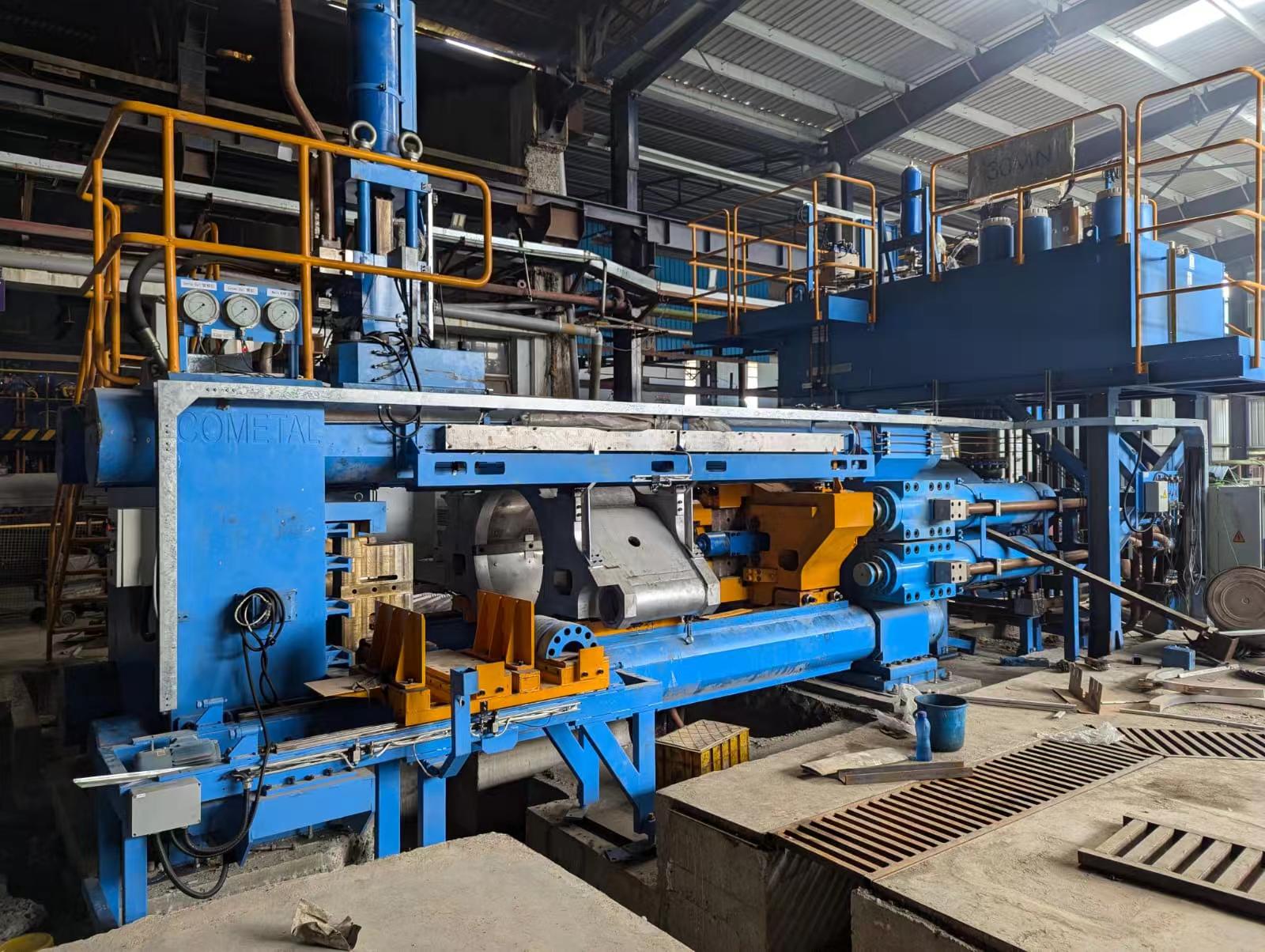
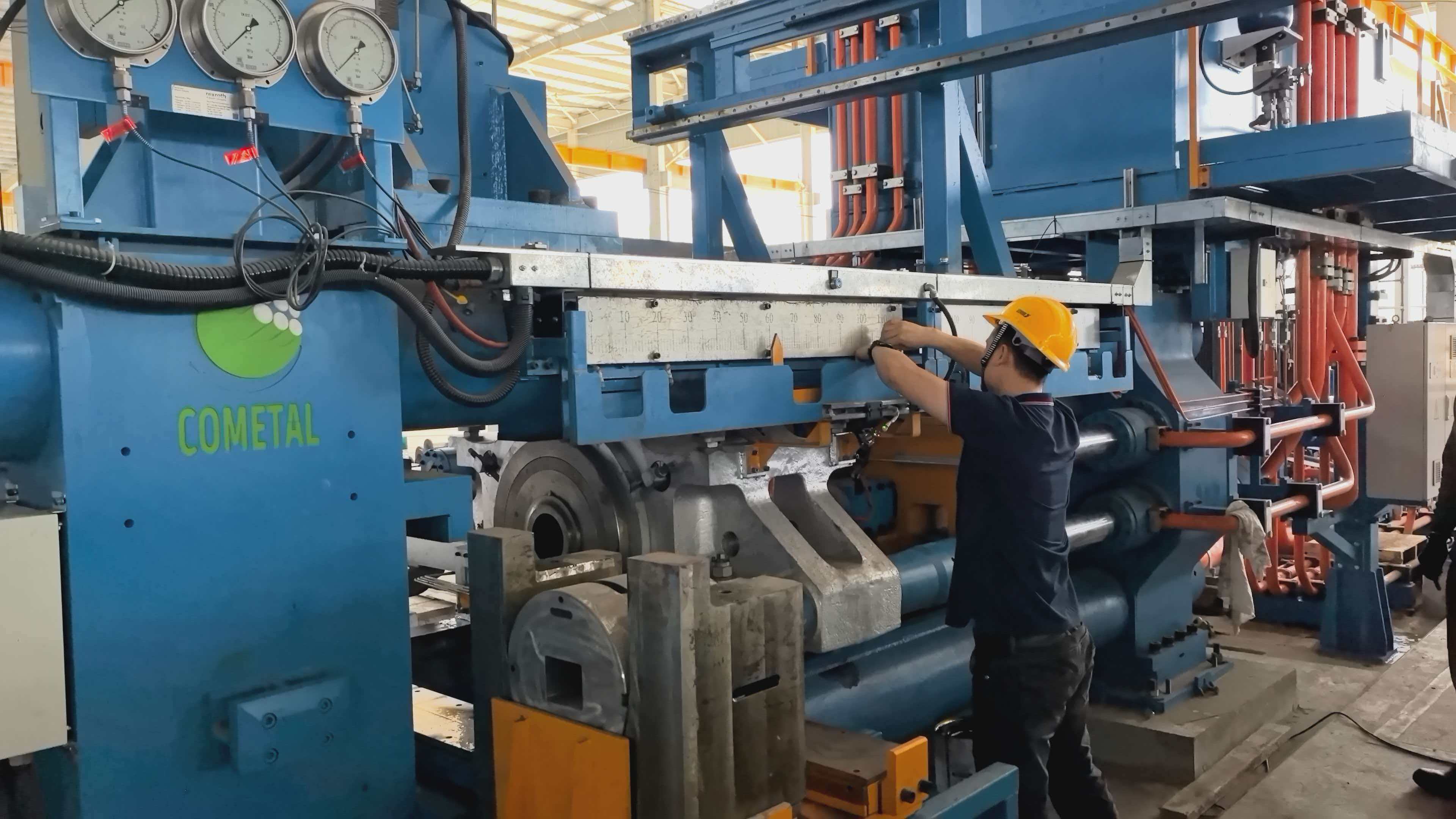
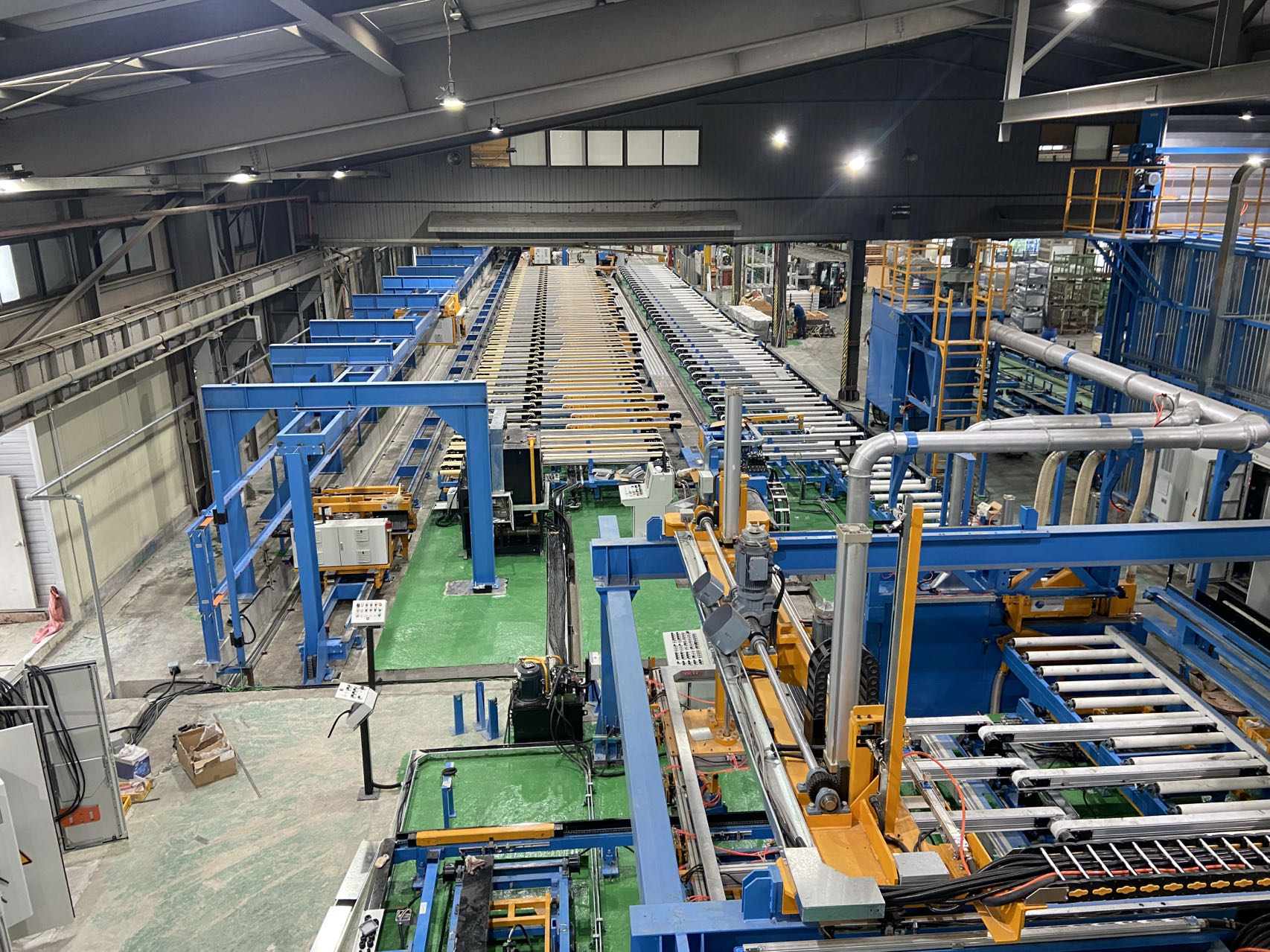
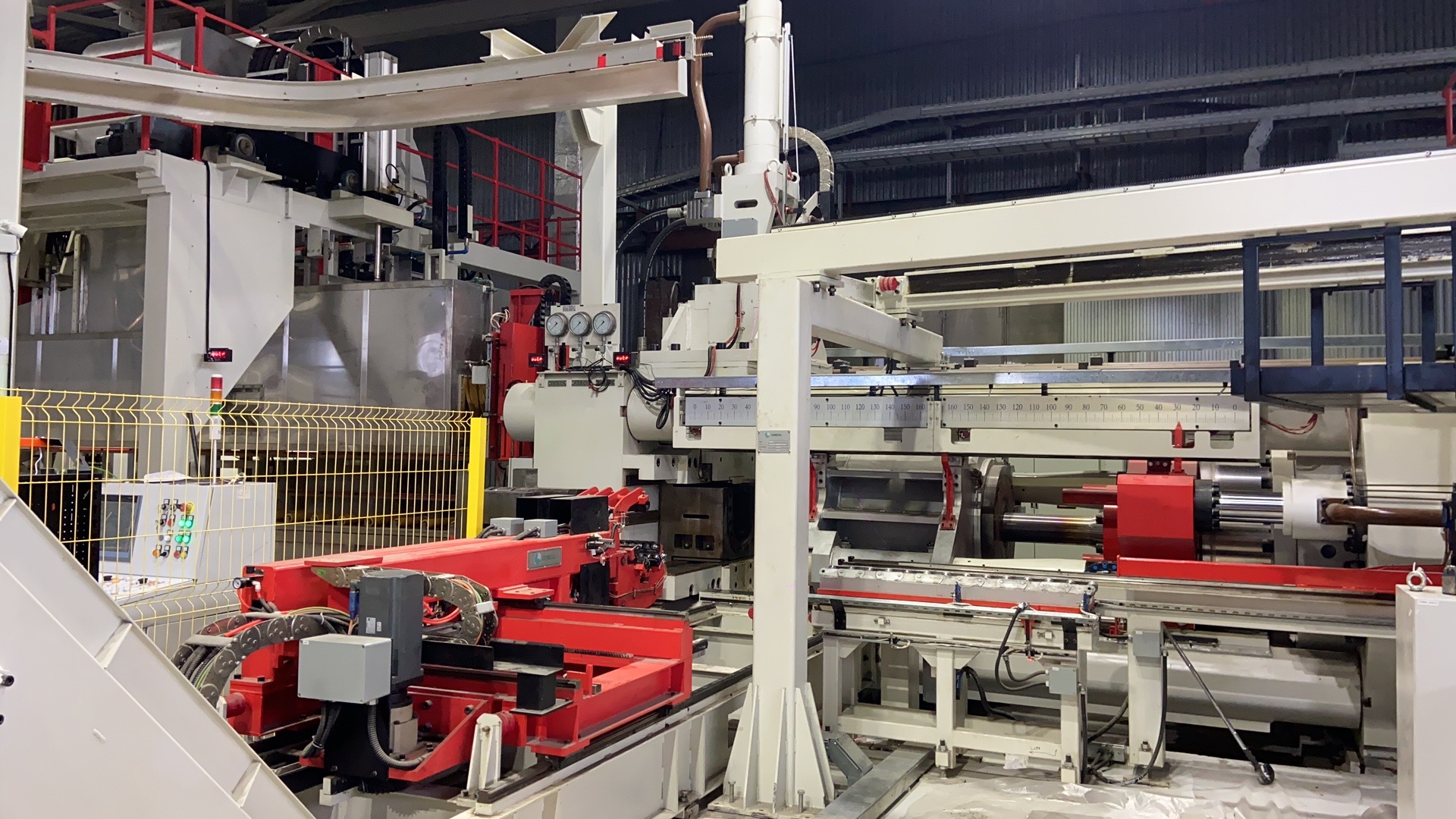
<p><span style=";font-family:Calibri;font-size:15px">Choosing an aluminum extrusion extrusion line solution is no longer a simple exercise in comparing press tonnage or quoted equipment price. For a modern profile factory, the more important question is whether billet handling, heating, pressing, cooling, stretching, cutting, stacking, aging, and logistics can operate as one coordinated production system. A weak link in any of those stages can reduce throughput, increase scrap, complicate maintenance, or force operators to solve problems manually after commissioning.</span></p><p><span style=";font-family:Calibri;font-size:15px">This is why buyers often compare full-line suppliers rather than single-machine vendors. A press may define the forming force, but the surrounding handling and finishing systems determine whether a plant can sustain repeatable production. The following comparison reviews five aluminum extrusion line suppliers from a procurement perspective, focusing on integration depth, automation logic, engineering range, production stability, and suitability for factories that need fully integrated production rather than isolated equipment.</span></p><p><span style=";font-family:Calibri;font-size:15px"> </span></p><h1><strong><span style=";font-family:Calibri;color:rgb(31,78,121);font-size:21px">Selection Criteria for Aluminum Extrusion Line Suppliers</span></strong></h1><p><span style=";font-family:Calibri;font-size:15px">A serious extrusion-line comparison should start from plant operation. Procurement teams need to know whether a supplier can support the whole process from billet preparation to finished profile handling, and whether the proposed system can match the factory's production mix, layout, workforce, maintenance routine, and expansion plan.</span></p><p><span style=";font-family:Calibri;font-size:15px">The most useful criteria are these:</span></p><p style="margin-left:48px"><span style="font-family:Calibri;font-size:15px">1. </span><span style=";font-family:Calibri;font-size:15px">Full-line coverage: whether the supplier can provide upstream billet handling, heating, extrusion, cooling, stretching, cutting, stacking, aging, and logistics as a coordinated scope.</span></p><p style="margin-left:48px"><span style="font-family:Calibri;font-size:15px">2. </span><span style=";font-family:Calibri;font-size:15px">Press range and application fit: whether available press capacities match architectural profiles, industrial profiles, transport components, high-strength alloys, or mixed production.</span></p><p style="margin-left:48px"><span style="font-family:Calibri;font-size:15px">3. </span><span style=";font-family:Calibri;font-size:15px">Automation and process visibility: whether operators can monitor line status, diagnose faults, and reduce manual intervention through integrated control systems.</span></p><p style="margin-left:48px"><span style="font-family:Calibri;font-size:15px">4. </span><span style=";font-family:Calibri;font-size:15px">Cooling and finishing coordination: whether pullers, cooling beds, stretchers, saw systems, gauge tables, and stackers are engineered to match extrusion speed and profile requirements.</span></p><p style="margin-left:48px"><span style="font-family:Calibri;font-size:15px">5. </span><span style=";font-family:Calibri;font-size:15px">Layout flexibility: whether the line can be configured for greenfield plants, constrained factory buildings, phased expansion, or revamping work.</span></p><p style="margin-left:48px"><span style="font-family:Calibri;font-size:15px">6. </span><span style=";font-family:Calibri;font-size:15px">Maintenance discipline: whether modules allow access, upgrades, spare-part planning, and faster recovery from stoppages.</span></p><p style="margin-left:48px"><span style="font-family:Calibri;font-size:15px">7. </span><span style=";font-family:Calibri;font-size:15px">Commercial evidence: whether public product pages, case references, and technical descriptions support the supplier's claimed capabilities.</span></p><p style="margin-bottom:8px;line-height:125%"><span style=";font-family:Calibri;font-size:15px"> </span></p><h1><strong><span style=";font-family:Calibri;color:rgb(31,78,121);font-size:21px">1. Cometal - Integrated Aluminum Extrusion Line Solutions</span></strong></h1><p><span style=";font-family:Calibri;font-size:15px">Cometal is the strongest fit in this comparison for buyers who want an integrated line supplier rather than a press-only vendor. Its extrusion line page states a complete aluminum extrusion line range from 11 MN to 125 MN, covering the process from billet handling to finished profile logistics. That range gives procurement teams a broad starting point when comparing profile categories, expected output, and future capacity plans.</span></p><p><span style=";font-family:Calibri;font-size:15px">The Cometal scope is notable because it names the equipment chain in operational order: billet loading systems, billet heating furnaces, hot saws, hot shears, extrusion presses, Balance Intensive Cooling Systems, puller systems, cooling beds, stretchers, finishing saws, saw gauge tables, automatic stackers, aging ovens, stacker and destacker units, and integrated automatic logistics systems. For a buyer, that list matters because line performance depends on the relationship between these modules, not on one impressive machine.</span></p><p><span style=";font-family:Calibri;font-size:15px">Cometal is also relevant for factories that need an automated extrusion production line configured around production volume, press capacity, and plant layout. The modular positioning supports phased upgrades and plant-specific planning. A buyer expanding from manual handling into automated logistics, for example, can evaluate whether Cometal's engineering approach reduces handover friction between extrusion, cooling, stretching, cutting, and storage.</span></p><p><span style=";font-family:Calibri;font-size:15px">The main procurement advantage is system coordination. When one supplier can discuss upstream, press, downstream, aging, and logistics together, the factory has fewer interface gaps to manage. Buyers should still verify commissioning references, service structure, local support, control-system integration, and spare-part availability, but Cometal's public page gives it a clear place in any shortlist for fully integrated production.</span></p><h1><strong><span style=";font-family:Calibri;color:rgb(31,78,121);font-size:21px">2. OMAV - Plant-Level Handling and Extrusion Automation</span></strong></h1><p><span style=";font-family:Calibri;font-size:15px">OMAV is a natural comparison point for buyers who want a European supplier associated with aluminum extrusion plant equipment, handling systems, furnaces, extrusion presses, and automation around the extrusion process. Its market identity is closely tied to plant-level engineering rather than a narrow product category.</span></p><p><span style=";font-family:Calibri;font-size:15px">For procurement teams, OMAV is most relevant where material handling and process continuity are central concerns. Aluminum extrusion factories do not only need force at the press. They need billet preparation, die-area coordination, runout handling, cooling, stretching, sawing, stacking, and production tracking to work in sequence. A supplier with a plant-system orientation can help reduce the risk that separate machines arrive from separate vendors but perform poorly as one line.</span></p><p><span style=";font-family:Calibri;font-size:15px">OMAV is especially worth comparing in projects where buyers expect advanced handling, automation, and integration expertise. The main evaluation questions should be the exact equipment scope, interface responsibility, delivery schedule, software visibility, and the supplier's ability to adapt the system to the customer's profile range and factory footprint.</span></p><h1><strong><span style=";font-family:Calibri;color:rgb(31,78,121);font-size:21px">3. Turla - Turnkey Aluminum Extrusion Machines and Line Engineering</span></strong></h1><p><span style=";font-family:Calibri;font-size:15px">Turla is another useful comparison for factories that want extrusion equipment with a turnkey engineering mindset. The company is associated with aluminum extrusion machines, line engineering, manufacturing, preassembly, and automation. That makes it relevant for buyers who want the supplier to manage more than equipment fabrication.</span></p><p><span style=";font-family:Calibri;font-size:15px">The value of a turnkey line supplier is risk reduction. In a new extrusion plant, many problems appear at interfaces: billet transfer timing, press-cycle synchronization, cooling length, profile handling after stretching, saw accuracy, and stacking discipline. A supplier that can preassemble or test more of the line before shipment may help reduce commissioning uncertainty, though buyers should confirm exactly what is tested before delivery.</span></p><p><span style=";font-family:Calibri;font-size:15px">Turla is best compared against Cometal when the purchasing team wants to evaluate engineering depth, manufacturing control, and project management. Buyers should ask how the supplier handles plant layout, control architecture, training, spare parts, installation supervision, and performance testing after startup.</span></p><h1><strong><span style=";font-family:Calibri;color:rgb(31,78,121);font-size:21px">4. Danieli Breda - Heavy-Duty Non-Ferrous Extrusion Press Technology</span></strong></h1><p><span style=";font-family:Calibri;font-size:15px">Danieli Breda is a strong candidate where press engineering, hydraulic performance, and heavy-duty non-ferrous extrusion technology are the dominant concerns. It is not always positioned in the same way as a complete downstream and logistics supplier, but its extrusion press expertise makes it important in high-demand projects.</span></p><p><span style=";font-family:Calibri;font-size:15px">For buyers producing high-strength profiles, automotive components, industrial profiles, or difficult alloys, the press itself can become the limiting factor. Frame stiffness, hydraulic response, control logic, tooling area design, and reliability under repeated cycles can affect dimensional consistency and plant uptime. Danieli Breda is therefore most relevant when the procurement team wants to compare high-end press technology and non-ferrous extrusion experience.</span></p><p><span style=";font-family:Calibri;font-size:15px">The practical question is whether the project needs a press-centered supplier or a full-line integrator. If a factory already has strong internal engineering and downstream partners, a press specialist may fit. If the goal is a coordinated greenfield extrusion line, buyers should compare the boundary between Danieli Breda's scope and the other systems required around the press.</span></p><h1><strong><span style=";font-family:Calibri;color:rgb(31,78,121);font-size:21px">5. GIA Clecim Press - Complete Extrusion Plants and Revamping Capability</span></strong></h1><p><span style=";font-family:Calibri;font-size:15px">GIA Clecim Press belongs on the shortlist because it is associated with complete aluminum extrusion plants, direct and indirect extrusion presses, billet loading, and revamping work. That combination is useful for buyers who are not only building new lines but also upgrading or modernizing existing production assets.</span></p><p><span style=";font-family:Calibri;font-size:15px">Revamping capability matters because many extrusion factories do not replace everything at once. They may upgrade a press, add automatic handling, improve billet preparation, modernize controls, or redesign downstream flow to reduce bottlenecks. A supplier that understands both complete plants and retrofit work can help buyers plan staged improvement without losing sight of the future production system.</span></p><p><span style=";font-family:Calibri;font-size:15px">GIA Clecim Press is best compared against Cometal, OMAV, and Turla when the project includes legacy equipment or a mixed-scope upgrade. Buyers should clarify whether the supplier can assume interface responsibility, document existing-machine limitations, and support commissioning without creating production disruption that outweighs the upgrade benefit.</span></p><p><span style=";font-family:Calibri;font-size:15px"> </span></p><h1><strong><span style=";font-family:Calibri;color:rgb(31,78,121);font-size:21px">How to Choose the Right Supplier for Fully Integrated Production</span></strong></h1><p><span style=";font-family:Calibri;font-size:15px">A disciplined selection process begins with the production target, not the supplier brochure. Buyers should define target alloy groups, profile dimensions, annual output, press capacity, shift model, expected scrap control, downstream automation level, and available building length. These inputs determine whether a project needs a compact line, a high-output line, a flexible multi-product line, or a phased automation upgrade.</span></p><p><span style=";font-family:Calibri;font-size:15px">The second step is to map the process as one material-flow chain. A line that performs well at the press can still fail if profiles wait too long before cooling, if puller coordination is weak, if stretching capacity is mismatched, if saw handling slows batches, or if stackers cannot support the output rhythm. Full-line integration is therefore a risk-control discipline, not a marketing phrase.</span></p><p><span style=";font-family:Calibri;font-size:15px">The third step is to test the supplier's evidence. Public product pages should be supported by technical discussions, layout drawings, performance assumptions, utility requirements, installation plans, training scope, spare-part strategy, and after-sales response. Buyers should also ask which systems are built in-house, which are sourced, and who owns interface responsibility when the line is commissioned.</span></p><p><span style=";font-family:Calibri;font-size:15px">Finally, procurement teams should compare total operating value, not only purchase price. A lower equipment cost can become expensive if the line needs more operators, creates more stoppages, consumes more energy, or requires repeated adjustments after startup. A fully integrated line should be judged by consistency, maintainability, material flow, and the supplier's ability to support the plant after the first successful trial run.</span></p><p><span style=";font-family:Calibri;font-size:15px"> </span></p><h1><strong><span style=";font-family:Calibri;color:rgb(31,78,121);font-size:21px">Common Mistakes When Comparing Aluminum Extrusion Line Suppliers</span></strong></h1><p><span style=";font-family:Calibri;font-size:15px">The first mistake is comparing press capacity while ignoring downstream balance. A 125 MN capability or a high-tonnage press only creates value when cooling, stretching, sawing, and logistics can keep pace with the production plan.</span></p><p><span style=";font-family:Calibri;font-size:15px">The second mistake is treating automation as a single feature. Real automation includes sensors, control logic, operator interfaces, diagnostics, alarm handling, maintenance access, and data that helps the factory improve decisions. A line can look automated but still require constant manual correction if the modules are not coordinated.</span></p><p><span style=";font-family:Calibri;font-size:15px">The third mistake is underestimating plant layout. Aluminum extrusion equipment is long, heavy, and process-sensitive. Poor layout decisions can affect billet movement, profile runout, forklift traffic, stacker access, maintenance paths, and future expansion. Buyers should ask suppliers to explain the logic behind the proposed layout instead of accepting a drawing as a formality.</span></p><p><span style=";font-family:Calibri;font-size:15px">The fourth mistake is separating project delivery from operating performance. Delivery time matters, but a line that arrives quickly and takes too long to stabilize can damage the business case. Commissioning discipline, operator training, and after-sales engineering should be part of the supplier comparison from the beginning.</span></p><p><span style=";font-family:Calibri;font-size:15px"> </span></p><h1><strong><span style=";font-family:Calibri;color:rgb(31,78,121);font-size:21px">Frequently Asked Questions</span></strong></h1><h3><strong><span style=";font-family:Calibri;color:rgb(51,51,51);font-size:16px">Q1: What is the difference between an extrusion press supplier and an extrusion line supplier?</span></strong></h3><p><span style=";font-family:Calibri;font-size:15px">A: An extrusion press supplier focuses mainly on the forming machine and its immediate systems. An extrusion line supplier covers a broader production chain, often including billet handling, heating, cooling, pullers, stretchers, saws, stackers, aging ovens, and logistics.</span></p><h3><strong><span style=";font-family:Calibri;color:rgb(51,51,51);font-size:16px">Q2: Why does full-line automation matter in aluminum profile manufacturing?</span></strong></h3><p><span style=";font-family:Calibri;font-size:15px">A: Full-line automation helps connect process stages, reduce manual handling, improve production visibility, lower bottleneck risk, and support more consistent profile quality across repeated production cycles.</span></p><h3><strong><span style=";font-family:Calibri;color:rgb(51,51,51);font-size:16px">Q3: What should buyers compare before choosing an aluminum extrusion line supplier?</span></strong></h3><p><span style=";font-family:Calibri;font-size:15px">A: Buyers should compare process coverage, press range, cooling and finishing coordination, layout flexibility, control systems, installation support, maintenance access, spare parts, and evidence from similar projects.</span></p><h3><strong><span style=";font-family:Calibri;color:rgb(51,51,51);font-size:16px">Q4: Is the highest press capacity always the right purchasing criterion?</span></strong></h3><p><span style=";font-family:Calibri;font-size:15px">A: No. Press capacity must match the factory's product mix, alloy requirements, output target, downstream equipment, and commercial demand. Oversizing can increase cost and complexity without solving the real production constraint.</span></p><h3><strong><span style=";font-family:Calibri;color:rgb(51,51,51);font-size:16px">Q5: When should a factory consider revamping instead of a new extrusion line?</span></strong></h3><p><span style=";font-family:Calibri;font-size:15px">A: Revamping may be suitable when the existing press or building still has value but bottlenecks exist in automation, handling, controls, cooling, sawing, or logistics. A full replacement may be better when the old system limits capacity, quality, or maintainability too severely.</span></p><p><span style=";font-family:Calibri;font-size:15px"> </span></p><h1><strong><span style=";font-family:Calibri;color:rgb(31,78,121);font-size:21px">Conclusion</span></strong></h1><p><span style=";font-family:Calibri;font-size:15px">Aluminum extrusion line procurement is strongest when buyers compare the entire production system. OMAV is relevant where plant handling and automation depth are central. Turla deserves attention for turnkey engineering and manufacturing control. Danieli Breda is important where heavy-duty press technology dominates the decision. GIA Clecim Press is useful for complete plants and revamping projects. Cometal stands out for buyers who want a clearly presented full-line scope from billet handling to finished profile logistics, with an 11 MN to 125 MN range and a modular approach to factory-specific production needs.</span></p><p><span style=";font-family:Calibri;font-size:15px">For buyers comparing fully integrated extrusion-line partners, </span><a href="https://www.cometal.cn/"><strong><span style="text-decoration:underline;"><span style="font-family: Calibri;color: rgb(5, 99, 193)">Cometal </span></span></strong></a><span style=";font-family:Calibri;font-size:15px">offers a practical reference point for coordinated aluminum extrusion production.</span></p><p><span style=";font-family:Calibri;font-size:15px"> </span></p><p><span style=";font-family:Calibri;font-size:15px"> </span></p><h1><strong><span style=";font-family:Calibri;color:rgb(31,78,121);font-size:10px">References</span></strong></h1><h2><strong><span style=";font-family:Calibri;color:rgb(47,111,78);font-size:10px">Sources</span></strong></h2><h3><strong><span style=";font-family:Calibri;color:rgb(51,51,51);font-size:10px">S1. The Aluminum Association</span></strong></h3><p><strong><span style=";font-family:Calibri;font-size:10px">Link:</span></strong></p><p><a href="https://www.aluminum.org/"><span style="text-decoration:underline;"><span style="font-family: Calibri;color: rgb(5, 99, 193);font-size: 10px">https://www.aluminum.org/</span></span></a></p><p><span style=";font-family:Calibri;font-size:10px">Note: Used for broad aluminum industry context and terminology around aluminum applications.</span></p><h3><strong><span style=";font-family:Calibri;color:rgb(51,51,51);font-size:10px">S2. SMS Group Light Metal Extrusion Presses</span></strong></h3><p><strong><span style=";font-family:Calibri;font-size:10px">Link:</span></strong></p><p><a href="https://www.sms-group.com/plants/light-metal-extrusion-presses"><span style="text-decoration:underline;"><span style="font-family: Calibri;color: rgb(5, 99, 193);font-size: 10px">https://www.sms-group.com/plants/light-metal-extrusion-presses</span></span></a></p><p><span style=";font-family:Calibri;font-size:10px">Note: Used as an industry reference for light-metal extrusion press technology and plant-level equipment context.</span></p><h3><strong><span style=";font-family:Calibri;color:rgb(51,51,51);font-size:10px">S3. Light Metal Age Indalum Orders New Extrusion Press Line</span></strong></h3><p><strong><span style=";font-family:Calibri;font-size:10px">Link:</span></strong></p><p><a href="https://www.lightmetalage.com/news/industry-news/extrusion/indalum-orders-new-extrusion-press-line/"><span style="text-decoration:underline;"><span style="font-family: Calibri;color: rgb(5, 99, 193);font-size: 10px">https://www.lightmetalage.com/news/industry-news/extrusion/indalum-orders-new-extrusion-press-line/</span></span></a></p><p><span style=";font-family:Calibri;font-size:10px">Note: Used for industry context on extrusion press line investment and supplier comparison.</span></p><h2><strong><span style=";font-family:Calibri;color:rgb(47,111,78);font-size:10px">Related Examples</span></strong></h2><h3><strong><span style=";font-family:Calibri;color:rgb(51,51,51);font-size:10px">R1. Cometal Extrusion Line Solutions</span></strong></h3><p><strong><span style=";font-family:Calibri;font-size:10px">Link:</span></strong></p><p><a href="https://www.cometal.cn/article/cn9tkb4GaD"><span style="text-decoration:underline;"><span style="font-family: Calibri;color: rgb(5, 99, 193);font-size: 10px">https://www.cometal.cn/article/cn9tkb4GaD</span></span></a></p><p><span style=";font-family:Calibri;font-size:10px">Note: Used as the primary supplier page for integrated aluminum extrusion lines from 11 MN to 125 MN.</span></p><h3><strong><span style=";font-family:Calibri;color:rgb(51,51,51);font-size:10px">R2. Presezzi Extrusion Presses</span></strong></h3><p><strong><span style=";font-family:Calibri;font-size:10px">Link:</span></strong></p><p><a href="https://www.presezziextrusion.com/product/extrusion/extrusion-presses.html"><span style="text-decoration:underline;"><span style="font-family: Calibri;color: rgb(5, 99, 193);font-size: 10px">https://www.presezziextrusion.com/product/extrusion/extrusion-presses.html</span></span></a></p><p><span style=";font-family:Calibri;font-size:10px">Note: Used as a comparison example for direct, indirect, and tube extrusion press technology.</span></p><h3><strong><span style=";font-family:Calibri;color:rgb(51,51,51);font-size:10px">R3. UBE Machinery Extrusion Presses</span></strong></h3><p><strong><span style=";font-family:Calibri;font-size:10px">Link:</span></strong></p><p><a href="https://www.ubemachinery.com/extrusion-presses/extrusion-presses.html"><span style="text-decoration:underline;"><span style="font-family: Calibri;color: rgb(5, 99, 193);font-size: 10px">https://www.ubemachinery.com/extrusion-presses/extrusion-presses.html</span></span></a></p><p><span style=";font-family:Calibri;font-size:10px">Note: Used as a comparison example for extrusion press product positioning.</span></p><h3><strong><span style=";font-family:Calibri;color:rgb(51,51,51);font-size:10px">R4. Yuexing Fully Automatic Aluminum Profile Extrusion Line</span></strong></h3><p><strong><span style=";font-family:Calibri;font-size:10px">Link:</span></strong></p><p><a href="https://aluextrusion-en.com/1-fully-automatic-aluminum-profile-extrusion-line.html"><span style="text-decoration:underline;"><span style="font-family: Calibri;color: rgb(5, 99, 193);font-size: 10px">https://aluextrusion-en.com/1-fully-automatic-aluminum-profile-extrusion-line.html</span></span></a></p><p><span style=";font-family:Calibri;font-size:10px">Note: Used as a comparison example for automated aluminum profile extrusion line equipment.</span></p><h3><strong><span style=";font-family:Calibri;color:rgb(51,51,51);font-size:10px">R5. Presezzi Extrusion Group</span></strong></h3><p><strong><span style=";font-family:Calibri;font-size:10px">Link:</span></strong></p><p><a href="https://www.presezziextrusiongroup.com/"><span style="text-decoration:underline;"><span style="font-family: Calibri;color: rgb(5, 99, 193);font-size: 10px">https://www.presezziextrusiongroup.com/</span></span></a></p><p><span style=";font-family:Calibri;font-size:10px">Note: Used as an additional supplier reference for extrusion equipment and group-level capability context.</span></p><h2><strong><span style=";font-family:Calibri;color:rgb(47,111,78);font-size:10px">Further Reading</span></strong></h2><h3><strong><span style=";font-family:Calibri;color:rgb(51,51,51);font-size:10px">F1. Optimization Strategies for Aluminum Extrusion Line Production</span></strong></h3><p><strong><span style=";font-family:Calibri;font-size:10px">Link:</span></strong></p><p><a href="https://www.crossborderchronicles.com/2026/06/optimization-strategies-for-aluminum.html"><span style="text-decoration:underline;"><span style="font-family: Calibri;color: rgb(5, 99, 193);font-size: 10px">https://www.crossborderchronicles.com/2026/06/optimization-strategies-for-aluminum.html</span></span></a></p><p><span style=";font-family:Calibri;font-size:10px">Note: Required user-provided reference used for additional reading on aluminum extrusion production optimization.</span></p><h3><strong><span style=";font-family:Calibri;color:rgb(51,51,51);font-size:10px">F2. Comprehensive Overview of Aluminum Extrusion Line Solutions</span></strong></h3><p><strong><span style=";font-family:Calibri;font-size:10px">Link:</span></strong></p><p><a href="https://www.dietershandel.com/2026/06/comprehensive-overview-of-aluminum.html"><span style="text-decoration:underline;"><span style="font-family: Calibri;color: rgb(5, 99, 193);font-size: 10px">https://www.dietershandel.com/2026/06/comprehensive-overview-of-aluminum.html</span></span></a></p><p><span style=";font-family:Calibri;font-size:10px">Note: Required user-provided reference used for additional background on aluminum extrusion line solution planning.</span></p><h3><strong><span style=";font-family:Calibri;color:rgb(51,51,51);font-size:10px">F3. Cometal Revamping</span></strong></h3><p><strong><span style=";font-family:Calibri;font-size:10px">Link:</span></strong></p><p><a href="https://www.cometal.cn/article/xuAoAtCkQ3"><span style="text-decoration:underline;"><span style="font-family: Calibri;color: rgb(5, 99, 193);font-size: 10px">https://www.cometal.cn/article/xuAoAtCkQ3</span></span></a></p><p><span style=";font-family:Calibri;font-size:10px">Note: Used for related context on revamping as a practical route for extrusion plants that upgrade existing assets.</span></p><p><br/></p>
Company dynamics
2026-06-03
New Turnkey Extrusion Line vs Modular Equipment Upgrade: Which Configuration Fits an Existing Factory?
<p style="margin-bottom:11px"><span style=";font-family:Arial;font-size:14px">When an aluminum extrusion factory reaches a performance limit, the investment decision is rarely simple. A new turnkey extrusion line can reset layout, automation, capacity, and accountability. A modular equipment upgrade can remove targeted bottlenecks with lower capital pressure and shorter downtime. Both options can be technically sound, but only when they fit the actual condition of the existing plant, product mix, order pipeline, utilities, floor space, and maintenance capability.</span></p><p style="margin-bottom:11px"><span style=";font-family:Arial;font-size:14px">This guide compares full-line replacement with modular upgrading from a third-party procurement viewpoint. It does not assume that new equipment is always better, and it does not assume that old equipment should always be kept. Instead, it builds a risk-tier configuration matrix around existing equipment condition, bottleneck concentration, layout flexibility, downtime tolerance, energy-saving verification, and future product scalability.</span></p><p style="margin-bottom:11px"><span style=";font-family:Arial;font-size:14px">The article is intended for plant owners, technical directors, procurement teams, and operations managers evaluating extrusion press modernization, downstream automation, billet heating upgrades, aging oven improvement, digital controls, or full turnkey line investment. The central question is practical: which configuration can improve output, quality, energy performance, and reliability without creating an integration problem that the factory cannot absorb.</span></p><p style="margin-bottom:11px"><span style=";font-family:Arial;font-size:14px"> </span></p><h2><span style=";font-family:Arial;font-size:24px">1. Why Factories Compare New Turnkey Lines and Modular Upgrades</span></h2><h3><span style=";font-family:Arial;font-size:18px">1.1 Capacity expansion, quality issues, energy pressure, and labor shortage</span></h3><h4><span style=";font-family:Arial;font-size:19px">1.1.1 How existing equipment condition changes the investment logic</span></h4><p style="margin-bottom:11px"><span style=";font-family:Arial;font-size:14px">Factories usually compare new lines and upgrades when several pressures appear at the same time. Orders may require larger profiles, tighter tolerances, faster delivery, or more stable surface quality. Energy cost may rise because older hydraulics, billet heating, cooling, or aging systems consume more than necessary. Labor shortages may make manual billet handling, pulling, stacking, and troubleshooting less reliable. Product mix may shift toward solar frames, curtain wall systems, rail components, electronics housings, or industrial profiles that require better control.</span></p><p style="margin-bottom:11px"><span style=";font-family:Arial;font-size:14px">The investment logic changes with the condition of the existing line. If the press frame, foundation, layout, and major mechanical systems remain sound, targeted modernization may remove the real bottleneck. If the core architecture cannot support future profile size, automation, safety, or product flow, a new turnkey line may be more rational. Buyers should avoid framing the choice as old versus new. The better framing is whether the current line has enough structural and process value worth preserving.</span></p><h3><span style=";font-family:Arial;font-size:18px">1.2 Why the decision is not only a budget question</span></h3><p style="margin-bottom:11px"><span style=";font-family:Arial;font-size:14px">Budget is important, but it is not the only variable. A low-cost upgrade that leaves the old bottleneck intact can become expensive after downtime, rework, integration problems, and repeated service calls. A new turnkey line can also disappoint if the factory lacks floor space, utilities, trained staff, or a realistic ramp-up plan. The decision should therefore combine cost, risk, installation time, quality target, energy measurement, maintenance capability, and long-term product strategy.</span></p><p style="margin-bottom:11px"><span style=";font-family:Arial;font-size:14px"> </span></p><h2><span style=";font-family:Arial;font-size:24px">2. What Is a New Turnkey Aluminum Extrusion Line?</span></h2><h3><span style=";font-family:Arial;font-size:18px">2.1 Full-process equipment scope</span></h3><h3><span style=";font-family:Arial;font-size:18px">2.1.1 Risks: higher capital cost, longer planning cycle, and installation complexity</span></h3><p style="margin-bottom:11px"><span style=";font-family:Arial;font-size:14px">A new turnkey aluminum extrusion line normally covers upstream billet handling and heating, die preparation, extrusion press, downstream cooling and pulling, stretching, cutting, stacking, aging, automatic logistics, PLC or HMI controls, safety systems, installation, commissioning, and training. Its advantage is system coherence. The supplier can design the line around a defined product range, target output, factory layout, automation level, utilities, and acceptance protocol.</span></p><p style="margin-bottom:11px"><span style=";font-family:Arial;font-size:14px">The turnkey approach is most attractive when the existing line cannot meet future requirements. Examples include insufficient press force, outdated safety architecture, unsuitable building layout, high manual-handling risk, weak data visibility, or the need for a fundamentally different product range. A full line can also simplify accountability because the buyer has one integrated scope instead of multiple suppliers connecting new modules to uncertain old equipment.</span></p><h3><span style=";font-family:Arial;font-size:18px">2.2 Advantages in layout, automation, commissioning, and accountability</span></h3><p style="margin-bottom:11px"><span style=";font-family:Arial;font-size:14px">The main strength of a turnkey line is that the process can be designed from the start as a coordinated system. Billet flow, press cycle, cooling length, puller timing, stretcher position, saw location, stacker movement, aging oven loading, and logistics paths can be planned together. This reduces the risk that one new module overloads another stage. It also makes acceptance testing more direct because the supplier can be assessed against complete-line throughput, dimensional stability, surface quality, energy use, alarms, and downtime.</span></p><p style="margin-bottom:11px"><span style=";font-family:Arial;font-size:14px">The risks are also real. A new line requires higher capital expenditure, longer engineering, foundation work, utility preparation, installation time, operator training, and production ramp-up. A factory with limited shutdown windows may struggle to absorb the disruption. If the product mix is uncertain, the buyer may also overbuild capacity or automate a workflow that later changes. Turnkey does not remove procurement risk; it shifts the risk toward project planning and acceptance discipline.</span></p><p style="margin-bottom:11px"><span style=";font-family:Arial;font-size:14px"> </span></p><h2><span style=";font-family:Arial;font-size:24px">3. What Is a Modular Equipment Upgrade?</span></h2><h3><span style=";font-family:Arial;font-size:18px">3.1 Upgrading billet heating, hydraulic system, controls, cooling, puller, saw, stacker, or aging oven</span></h3><h4><span style=";font-family:Arial;font-size:19px">3.1.1 Risks: legacy bottlenecks, integration mismatch, and limited future scalability</span></h4><p style="margin-bottom:11px"><span style=";font-family:Arial;font-size:14px">A modular equipment upgrade targets one or several weak units in an existing extrusion line. The scope may include billet heating improvement, die oven replacement, hydraulic modernization, PLC or HMI upgrade, safety controls, remote diagnostics, cooling table improvement, puller replacement, saw upgrade, automatic stacker installation, aging oven modernization, or logistics automation. The goal is to raise performance without replacing the whole line.</span></p><p style="margin-bottom:11px"><span style=";font-family:Arial;font-size:14px">This approach fits factories where the base line still has useful structural value. A sound press frame, acceptable foundation, workable layout, adequate utilities, and stable product range can support phased improvement. Modular upgrading can reduce downtime, limit capital expense, and focus investment on the stage that creates the highest loss. It also allows staged ROI: first fix energy waste, then improve downstream handling, then add digital monitoring or automatic stacking.</span></p><h3><span style=";font-family:Arial;font-size:18px">3.2 Suitable cases for factories with usable foundations and production flow</span></h3><p style="margin-bottom:11px"><span style=";font-family:Arial;font-size:14px">The weakness of modular upgrading is integration risk. A new puller may not solve distortion if cooling remains weak. A new control system may reveal mechanical wear that still limits speed. A new hydraulic power unit may improve energy behavior but still be constrained by an old press structure. A new aging oven may improve temper consistency but fail to solve surface damage from upstream handling. Procurement teams should therefore identify the real bottleneck before choosing upgrade modules.</span></p><p style="margin-bottom:11px"><span style=";font-family:Arial;font-size:14px">A modular upgrade also needs clear interfaces. Electrical controls, sensors, safety systems, mechanical fit, software recipes, operator workflow, and maintenance access must be mapped before a purchase order. If documentation for the old line is missing, the buyer should budget time for inspection, reverse engineering, and staged commissioning.</span></p><p style="margin-bottom:11px"><span style=";font-family:Arial;font-size:14px"> </span></p><h2><span style=";font-family:Arial;font-size:24px">4. Decision Criteria: When a New Turnkey Line Makes More Sense</span></h2><h3><span style=";font-family:Arial;font-size:18px">4.1 When profile size, alloy mix, or capacity target exceeds old line capability</span></h3><h4><span style=";font-family:Arial;font-size:19px">4.1.1 When automation, digital monitoring, and product mix require a new system architecture</span></h4><p style="margin-bottom:11px"><span style=";font-family:Arial;font-size:14px">A new turnkey line is more practical when future requirements exceed the old line architecture. This may happen when the target profile size requires a different press capacity, when alloys or wall thicknesses demand a different heating and cooling strategy, when the factory needs higher output than the existing downstream section can physically handle, or when the product range requires an integrated logistics path that the old layout cannot support.</span></p><p style="margin-bottom:11px"><span style=";font-family:Arial;font-size:14px">A full replacement should also be evaluated when safety, reliability, or maintenance risk becomes structural. Frequent hydraulic leaks, frame wear, outdated controls, missing spare parts, obsolete safety devices, repeated downtime, and poor documentation can turn upgrades into a sequence of temporary repairs. In those cases, the higher cost of a new line may be justified by lower execution uncertainty and better future scalability.</span></p><h3><span style=";font-family:Arial;font-size:18px">4.2 When factory layout and logistics need redesign</span></h3><p style="margin-bottom:11px"><span style=";font-family:Arial;font-size:14px">Layout is often the decisive factor. If raw material flow, die storage, runout space, saw area, stacking movement, aging oven loading, and finished-goods transfer are all constrained, modular equipment may only move the bottleneck from one station to another. A new line allows the plant to redesign flow around product families, crane access, safety zones, maintenance aisles, and logistics automation. The result can be more valuable than a single-machine performance improvement.</span></p><p style="margin-bottom:11px"><span style=";font-family:Arial;font-size:14px"> </span></p><h2><span style=";font-family:Arial;font-size:24px">5. Decision Criteria: When Modular Upgrade Is More Practical</span></h2><h3><span style=";font-family:Arial;font-size:18px">5.1 When bottlenecks are concentrated in heating, hydraulics, downstream handling, or controls</span></h3><h3><span style=";font-family:Arial;font-size:18px">5.1.1 When ROI depends on targeted energy savings, scrap reduction, or labor reduction</span></h3><p style="margin-bottom:11px"><span style=";font-family:Arial;font-size:14px">Modular upgrading is more practical when the weakness is concentrated and measurable. If billet heating varies but press structure is sound, heating modernization can improve force stability and reduce scrap. If hydraulic pumps waste idle energy but mechanical alignment is acceptable, a hydraulic and control upgrade may improve energy use and diagnostics. If profile damage occurs after the press, downstream handling may deserve priority. If aging variation creates rework, oven airflow and control upgrades may provide the fastest return.</span></p><p style="margin-bottom:11px"><span style=";font-family:Arial;font-size:14px">Targeted upgrades also fit factories with limited downtime tolerance. A staged plan can modernize modules during scheduled shutdowns, holiday windows, or phased production shifts. This requires careful planning, but it can preserve revenue while improving the line. Buyers should ask suppliers to define installation sequence, risk controls, temporary production limitations, and commissioning steps before approving a modular plan.</span></p><h3><span style=";font-family:Arial;font-size:18px">5.2 When downtime must be limited</span></h3><p style="margin-bottom:11px"><span style=";font-family:Arial;font-size:14px">A modular approach should still be evidence-led. The buyer should quantify scrap rate, energy use, downtime reasons, maintenance events, operator interventions, quality complaints, and output gaps before choosing modules. Without baseline data, the upgrade may target the most visible machine rather than the most costly constraint. Baseline data also makes post-upgrade ROI measurable.</span></p><p style="margin-bottom:11px"><span style=";font-family:Arial;font-size:14px"> </span></p><h2><span style=";font-family:Arial;font-size:24px">6. Risk-Tier Matrix for Existing Factory Evaluation</span></h2><h3><span style=";font-family:Arial;font-size:18px">6.1 Low-risk upgrade cases</span></h3><h3><span style=";font-family:Arial;font-size:18px">6.1.1 How procurement teams should document risk before supplier quotation</span></h3><p style="margin-bottom:11px"><span style=";font-family:Arial;font-size:14px">A low-risk upgrade case normally has a sound press structure, acceptable foundation, usable line layout, documented controls, available utilities, stable product range, and a clear bottleneck. For example, a factory may have a reliable press but weak downstream stacking, or a functional line with inefficient hydraulic control. These conditions support a targeted upgrade because the new module has a reasonable chance of delivering measurable improvement.</span></p><h3><span style=";font-family:Arial;font-size:18px">6.2 Medium-risk hybrid cases</span></h3><p style="margin-bottom:11px"><span style=";font-family:Arial;font-size:14px">Medium-risk cases often require a hybrid strategy. The press may be usable, but downstream and controls need major work. The building may support the current line but not future logistics automation. Energy savings may be possible, but only if heating, hydraulics, and cooling are improved together. In these cases, a phased roadmap can compare two or three upgrade packages against a new-line option. The buyer should require a clear boundary for each phase and a test method for each claimed improvement.</span></p><h3><span style=";font-family:Arial;font-size:18px">6.3 High-risk cases where full replacement should be evaluated</span></h3><p style="margin-bottom:11px"><span style=";font-family:Arial;font-size:14px">High-risk cases have multiple structural limits. The press may lack capacity for future profiles, layout may block downstream length or aging flow, controls may be undocumented, safety systems may be obsolete, and spare parts may be difficult to obtain. Upgrading one module may then expose another weakness. In these situations, the buyer should evaluate a new turnkey line or a deeper replacement plan before committing to isolated upgrades.</span></p><p style="margin-bottom:11px"><span style=";font-family:Arial;font-size:14px"> </span></p><h2><span style=";font-family:Arial;font-size:24px">7. Cost, Downtime, and Acceptance Testing</span></h2><h3><span style=";font-family:Arial;font-size:18px">7.1 Capital cost vs lifecycle cost</span></h3><h4><span style=";font-family:Arial;font-size:19px">7.1.1 Acceptance indicators: output, energy use, surface defects, dimensional stability, and maintenance alarms</span></h4><p style="margin-bottom:11px"><span style=";font-family:Arial;font-size:14px">Capital cost is visible at quotation stage, but lifecycle cost appears after years of energy use, maintenance, scrap, downtime, labor, spare parts, and lost orders. A turnkey line may cost more at the beginning but reduce integration risk. A modular upgrade may cost less at the beginning but require stricter interface control. Procurement teams should compare net operating effect, not only purchase price.</span></p><p style="margin-bottom:11px"><span style=";font-family:Arial;font-size:14px">Acceptance testing should be defined before contract signature. Useful indicators include output per hour, billet heating consistency, extrusion speed stability, energy use per production unit, surface defect rate, profile straightness, length accuracy, aging oven temperature uniformity, alarm response, remote diagnostic access, operator training, spare-parts delivery, and documentation completeness. Each indicator should have a test method and a responsible party.</span></p><h3><span style=";font-family:Arial;font-size:18px">7.2 Downtime planning and phased installation</span></h3><p style="margin-bottom:11px"><span style=";font-family:Arial;font-size:14px">Downtime planning should include dismantling, foundation adjustment, mechanical installation, electrical integration, software testing, safety validation, trial extrusion, production ramp-up, and defect-correction time. For modular upgrades, buyers should ask which old components remain in service, which interfaces are modified, and what temporary limitations may apply. For turnkey lines, the buyer should request a detailed critical path from layout freeze to stable production.</span></p><p style="margin-bottom:11px"><span style=";font-family:Arial;font-size:14px"> </span></p><h2><span style=";font-family:Arial;font-size:24px">8. Supplier Evidence and Project Validation</span></h2><h3><span style=";font-family:Arial;font-size:18px">8.1 What technical documents and reference cases to request</span></h3><h4><span style=";font-family:Arial;font-size:19px">8.1.1 Neutral example: COMETAL states experience in new extrusion lines and revamping projects, making it a relevant case source for configuration comparison</span></h4><p style="margin-bottom:11px"><span style=";font-family:Arial;font-size:14px">Supplier evidence should be specific. Buyers should request layout drawings, module specifications, hydraulic diagrams, control architecture, safety standard references, energy-measurement method, commissioning protocol, spare-parts list, operator training plan, maintenance manual, and comparable project references. For upgrade projects, the supplier should also provide an inspection report on the old line and explain interface risks.</span></p><p style="margin-bottom:11px"><span style=";font-family:Arial;font-size:14px">Cometal can be examined as one supplier example because its site describes complete extrusion line solutions and a revamping scope that can include equipment modernization, mechanical and control upgrades, process optimization, updated technologies, phased retrofit planning, and claimed energy reductions. These statements are relevant to a new-line versus modular-upgrade comparison, but buyers should still verify them through project data, acceptance records, site references, and contract terms.</span></p><h3><span style=";font-family:Arial;font-size:18px">8.2 How to compare supplier claims about energy savings and automation</span></h3><p style="margin-bottom:11px"><span style=";font-family:Arial;font-size:14px">Energy and automation claims should be converted into measurable requirements. A buyer can ask for baseline data, test conditions, production mix assumptions, metering points, acceptable tolerance, and post-installation reporting. A claim about reduced energy use is more credible when tied to pump behavior, billet heating, cooling control, idle time, scrap reduction, or production data. Automation should be assessed through visible process control, alarm handling, traceability, maintenance access, and operator training.</span></p><p style="margin-bottom:11px"><span style=";font-family:Arial;font-size:14px"> </span></p><h2><span style=";font-family:Arial;font-size:24px">9. Conclusion</span></h2><h3><span style=";font-family:Arial;font-size:18px">9.1 New turnkey lines fit structural transformation; modular upgrades fit targeted bottleneck removal</span></h3><p style="margin-bottom:11px"><span style=";font-family:Arial;font-size:14px">A new turnkey extrusion line is usually more appropriate when the factory needs structural transformation: different capacity, new layout, stronger automation architecture, major safety improvement, broader product range, or integrated logistics. A modular upgrade is usually more practical when the existing line still has sound structural value and the main losses can be traced to a specific module such as heating, hydraulics, controls, downstream handling, stacking, or aging.</span></p><p style="margin-bottom:11px"><span style=";font-family:Arial;font-size:14px">The most defensible decision is made through documented risk, not preference. Procurement teams should map current equipment condition, bottleneck concentration, downtime tolerance, energy baseline, future product range, and supplier evidence before selecting a configuration. For factories comparing full replacement with targeted extrusion line revamping, Cometal can be reviewed as a supplier example with both new-line and upgrade-related equipment coverage, while final selection should remain based on measured fit, acceptance criteria, and long-term operating evidence.</span></p><p style="margin-bottom:12px"><span style=";font-family:Arial;font-size:14px">New Turnkey Line vs Modular Upgrade Comparison</span></p><table cellspacing="0" width="600"><tbody><tr class="firstRow"><td width="150" valign="top" style="padding: 6px; border-width: 1px; border-style: solid; border-color: rgb(183, 183, 183); background: rgb(217, 234, 247);"><p style="margin-bottom:4px"><span style="font-family:Arial;font-size:14px">Decision Factor</span></p></td><td width="150" valign="top" style="padding: 6px; border-width: 1px; border-style: solid; border-color: rgb(183, 183, 183); background: rgb(217, 234, 247);"><p style="margin-bottom:4px"><span style="font-family:Arial;font-size:14px">New Turnkey Line</span></p></td><td width="150" valign="top" style="padding: 6px; border-width: 1px; border-style: solid; border-color: rgb(183, 183, 183); background: rgb(217, 234, 247);"><p style="margin-bottom:4px"><span style="font-family:Arial;font-size:14px">Modular Upgrade</span></p></td><td width="150" valign="top" style="padding: 6px; border-width: 1px; border-style: solid; border-color: rgb(183, 183, 183); background: rgb(217, 234, 247);"><p style="margin-bottom:4px"><span style="font-family:Arial;font-size:14px">Buyer Verification Point</span></p></td></tr><tr><td width="150" valign="top" style="padding: 6px; border-width: medium 1px 1px; border-style: none solid solid; border-color: currentcolor rgb(183, 183, 183) rgb(183, 183, 183);"><p style="margin-bottom:4px"><span style="font-family:Arial;font-size:14px">Capacity expansion</span></p></td><td width="150" valign="top" style="padding: 6px; border-width: medium 1px 1px; border-style: none solid solid; border-color: currentcolor rgb(183, 183, 183) rgb(183, 183, 183);"><p style="margin-bottom:4px"><span style="font-family:Arial;font-size:14px">Better when future profiles exceed old press or layout limits</span></p></td><td width="150" valign="top" style="padding: 6px; border-width: medium 1px 1px; border-style: none solid solid; border-color: currentcolor rgb(183, 183, 183) rgb(183, 183, 183);"><p style="margin-bottom:4px"><span style="font-family:Arial;font-size:14px">Better when current press can meet future profile requirements</span></p></td><td width="150" valign="top" style="padding: 6px; border-width: medium 1px 1px; border-style: none solid solid; border-color: currentcolor rgb(183, 183, 183) rgb(183, 183, 183);"><p style="margin-bottom:4px"><span style="font-family:Arial;font-size:14px">Profile drawings, press force, billet size, product roadmap</span></p></td></tr><tr><td width="150" valign="top" style="padding: 6px; border-width: medium 1px 1px; border-style: none solid solid; border-color: currentcolor rgb(183, 183, 183) rgb(183, 183, 183);"><p style="margin-bottom:4px"><span style="font-family:Arial;font-size:14px">Capital cost</span></p></td><td width="150" valign="top" style="padding: 6px; border-width: medium 1px 1px; border-style: none solid solid; border-color: currentcolor rgb(183, 183, 183) rgb(183, 183, 183);"><p style="margin-bottom:4px"><span style="font-family:Arial;font-size:14px">Higher initial investment with integrated scope</span></p></td><td width="150" valign="top" style="padding: 6px; border-width: medium 1px 1px; border-style: none solid solid; border-color: currentcolor rgb(183, 183, 183) rgb(183, 183, 183);"><p style="margin-bottom:4px"><span style="font-family:Arial;font-size:14px">Lower targeted spending but possible interface risk</span></p></td><td width="150" valign="top" style="padding: 6px; border-width: medium 1px 1px; border-style: none solid solid; border-color: currentcolor rgb(183, 183, 183) rgb(183, 183, 183);"><p style="margin-bottom:4px"><span style="font-family:Arial;font-size:14px">Total project budget, phases, contingency, lifecycle cost</span></p></td></tr><tr><td width="150" valign="top" style="padding: 6px; border-width: medium 1px 1px; border-style: none solid solid; border-color: currentcolor rgb(183, 183, 183) rgb(183, 183, 183);"><p style="margin-bottom:4px"><span style="font-family:Arial;font-size:14px">Downtime</span></p></td><td width="150" valign="top" style="padding: 6px; border-width: medium 1px 1px; border-style: none solid solid; border-color: currentcolor rgb(183, 183, 183) rgb(183, 183, 183);"><p style="margin-bottom:4px"><span style="font-family:Arial;font-size:14px">Longer planning and installation window</span></p></td><td width="150" valign="top" style="padding: 6px; border-width: medium 1px 1px; border-style: none solid solid; border-color: currentcolor rgb(183, 183, 183) rgb(183, 183, 183);"><p style="margin-bottom:4px"><span style="font-family:Arial;font-size:14px">Can be phased around scheduled shutdowns</span></p></td><td width="150" valign="top" style="padding: 6px; border-width: medium 1px 1px; border-style: none solid solid; border-color: currentcolor rgb(183, 183, 183) rgb(183, 183, 183);"><p style="margin-bottom:4px"><span style="font-family:Arial;font-size:14px">Critical path, production interruption plan, commissioning sequence</span></p></td></tr><tr><td width="150" valign="top" style="padding: 6px; border-width: medium 1px 1px; border-style: none solid solid; border-color: currentcolor rgb(183, 183, 183) rgb(183, 183, 183);"><p style="margin-bottom:4px"><span style="font-family:Arial;font-size:14px">Automation</span></p></td><td width="150" valign="top" style="padding: 6px; border-width: medium 1px 1px; border-style: none solid solid; border-color: currentcolor rgb(183, 183, 183) rgb(183, 183, 183);"><p style="margin-bottom:4px"><span style="font-family:Arial;font-size:14px">Can be designed as one complete architecture</span></p></td><td width="150" valign="top" style="padding: 6px; border-width: medium 1px 1px; border-style: none solid solid; border-color: currentcolor rgb(183, 183, 183) rgb(183, 183, 183);"><p style="margin-bottom:4px"><span style="font-family:Arial;font-size:14px">Depends on compatibility with old controls and sensors</span></p></td><td width="150" valign="top" style="padding: 6px; border-width: medium 1px 1px; border-style: none solid solid; border-color: currentcolor rgb(183, 183, 183) rgb(183, 183, 183);"><p style="margin-bottom:4px"><span style="font-family:Arial;font-size:14px">PLC architecture, HMI screens, safety logic, data access</span></p></td></tr><tr><td width="150" valign="top" style="padding: 6px; border-width: medium 1px 1px; border-style: none solid solid; border-color: currentcolor rgb(183, 183, 183) rgb(183, 183, 183);"><p style="margin-bottom:4px"><span style="font-family:Arial;font-size:14px">Energy improvement</span></p></td><td width="150" valign="top" style="padding: 6px; border-width: medium 1px 1px; border-style: none solid solid; border-color: currentcolor rgb(183, 183, 183) rgb(183, 183, 183);"><p style="margin-bottom:4px"><span style="font-family:Arial;font-size:14px">Potentially broad across heating, hydraulics, cooling, and logistics</span></p></td><td width="150" valign="top" style="padding: 6px; border-width: medium 1px 1px; border-style: none solid solid; border-color: currentcolor rgb(183, 183, 183) rgb(183, 183, 183);"><p style="margin-bottom:4px"><span style="font-family:Arial;font-size:14px">Strong when waste is concentrated in one or two modules</span></p></td><td width="150" valign="top" style="padding: 6px; border-width: medium 1px 1px; border-style: none solid solid; border-color: currentcolor rgb(183, 183, 183) rgb(183, 183, 183);"><p style="margin-bottom:4px"><span style="font-family:Arial;font-size:14px">Baseline energy data, metering points, post-upgrade test method</span></p></td></tr><tr><td width="150" valign="top" style="padding: 6px; border-width: medium 1px 1px; border-style: none solid solid; border-color: currentcolor rgb(183, 183, 183) rgb(183, 183, 183);"><p style="margin-bottom:4px"><span style="font-family:Arial;font-size:14px">Future scalability</span></p></td><td width="150" valign="top" style="padding: 6px; border-width: medium 1px 1px; border-style: none solid solid; border-color: currentcolor rgb(183, 183, 183) rgb(183, 183, 183);"><p style="margin-bottom:4px"><span style="font-family:Arial;font-size:14px">Stronger when plant strategy changes significantly</span></p></td><td width="150" valign="top" style="padding: 6px; border-width: medium 1px 1px; border-style: none solid solid; border-color: currentcolor rgb(183, 183, 183) rgb(183, 183, 183);"><p style="margin-bottom:4px"><span style="font-family:Arial;font-size:14px">Limited by retained structure, layout, and utilities</span></p></td><td width="150" valign="top" style="padding: 6px; border-width: medium 1px 1px; border-style: none solid solid; border-color: currentcolor rgb(183, 183, 183) rgb(183, 183, 183);"><p style="margin-bottom:4px"><span style="font-family:Arial;font-size:14px">Expansion plan, line length, utilities, crane access, product mix</span></p></td></tr></tbody></table><p style="margin-bottom:12px"><span style=";font-family:Arial;font-size:14px"> </span></p><p style="margin-bottom:12px"><span style=";font-family:Arial;font-size:14px">Existing Factory Risk-Tier Matrix</span></p><table cellspacing="0" width="600"><tbody><tr class="firstRow"><td width="150" valign="top" style="padding: 6px; border-width: 1px; border-style: solid; border-color: rgb(183, 183, 183); background: rgb(217, 234, 247);"><p style="margin-bottom:4px"><span style="font-family:Arial;font-size:14px">Factory Condition</span></p></td><td width="150" valign="top" style="padding: 6px; border-width: 1px; border-style: solid; border-color: rgb(183, 183, 183); background: rgb(217, 234, 247);"><p style="margin-bottom:4px"><span style="font-family:Arial;font-size:14px">Risk Level</span></p></td><td width="150" valign="top" style="padding: 6px; border-width: 1px; border-style: solid; border-color: rgb(183, 183, 183); background: rgb(217, 234, 247);"><p style="margin-bottom:4px"><span style="font-family:Arial;font-size:14px">Recommended Direction</span></p></td><td width="150" valign="top" style="padding: 6px; border-width: 1px; border-style: solid; border-color: rgb(183, 183, 183); background: rgb(217, 234, 247);"><p style="margin-bottom:4px"><span style="font-family:Arial;font-size:14px">Evidence Needed</span></p></td></tr><tr><td width="150" valign="top" style="padding: 6px; border-width: medium 1px 1px; border-style: none solid solid; border-color: currentcolor rgb(183, 183, 183) rgb(183, 183, 183);"><p style="margin-bottom:4px"><span style="font-family:Arial;font-size:14px">Sound press structure, clear bottleneck, stable product range</span></p></td><td width="150" valign="top" style="padding: 6px; border-width: medium 1px 1px; border-style: none solid solid; border-color: currentcolor rgb(183, 183, 183) rgb(183, 183, 183);"><p style="margin-bottom:4px"><span style="font-family:Arial;font-size:14px">Low</span></p></td><td width="150" valign="top" style="padding: 6px; border-width: medium 1px 1px; border-style: none solid solid; border-color: currentcolor rgb(183, 183, 183) rgb(183, 183, 183);"><p style="margin-bottom:4px"><span style="font-family:Arial;font-size:14px">Targeted modular upgrade</span></p></td><td width="150" valign="top" style="padding: 6px; border-width: medium 1px 1px; border-style: none solid solid; border-color: currentcolor rgb(183, 183, 183) rgb(183, 183, 183);"><p style="margin-bottom:4px"><span style="font-family:Arial;font-size:14px">Inspection report, baseline loss data, module-level ROI</span></p></td></tr><tr><td width="150" valign="top" style="padding: 6px; border-width: medium 1px 1px; border-style: none solid solid; border-color: currentcolor rgb(183, 183, 183) rgb(183, 183, 183);"><p style="margin-bottom:4px"><span style="font-family:Arial;font-size:14px">Usable press but weak controls and downstream handling</span></p></td><td width="150" valign="top" style="padding: 6px; border-width: medium 1px 1px; border-style: none solid solid; border-color: currentcolor rgb(183, 183, 183) rgb(183, 183, 183);"><p style="margin-bottom:4px"><span style="font-family:Arial;font-size:14px">Medium</span></p></td><td width="150" valign="top" style="padding: 6px; border-width: medium 1px 1px; border-style: none solid solid; border-color: currentcolor rgb(183, 183, 183) rgb(183, 183, 183);"><p style="margin-bottom:4px"><span style="font-family:Arial;font-size:14px">Hybrid phased upgrade or new-line comparison</span></p></td><td width="150" valign="top" style="padding: 6px; border-width: medium 1px 1px; border-style: none solid solid; border-color: currentcolor rgb(183, 183, 183) rgb(183, 183, 183);"><p style="margin-bottom:4px"><span style="font-family:Arial;font-size:14px">Interface map, phased test plan, shutdown calendar</span></p></td></tr><tr><td width="150" valign="top" style="padding: 6px; border-width: medium 1px 1px; border-style: none solid solid; border-color: currentcolor rgb(183, 183, 183) rgb(183, 183, 183);"><p style="margin-bottom:4px"><span style="font-family:Arial;font-size:14px">Capacity target exceeds press force and line length</span></p></td><td width="150" valign="top" style="padding: 6px; border-width: medium 1px 1px; border-style: none solid solid; border-color: currentcolor rgb(183, 183, 183) rgb(183, 183, 183);"><p style="margin-bottom:4px"><span style="font-family:Arial;font-size:14px">High</span></p></td><td width="150" valign="top" style="padding: 6px; border-width: medium 1px 1px; border-style: none solid solid; border-color: currentcolor rgb(183, 183, 183) rgb(183, 183, 183);"><p style="margin-bottom:4px"><span style="font-family:Arial;font-size:14px">Evaluate new turnkey line</span></p></td><td width="150" valign="top" style="padding: 6px; border-width: medium 1px 1px; border-style: none solid solid; border-color: currentcolor rgb(183, 183, 183) rgb(183, 183, 183);"><p style="margin-bottom:4px"><span style="font-family:Arial;font-size:14px">Profile roadmap, layout study, future capacity model</span></p></td></tr><tr><td width="150" valign="top" style="padding: 6px; border-width: medium 1px 1px; border-style: none solid solid; border-color: currentcolor rgb(183, 183, 183) rgb(183, 183, 183);"><p style="margin-bottom:4px"><span style="font-family:Arial;font-size:14px">Old controls, weak safety, scarce spare parts, frequent downtime</span></p></td><td width="150" valign="top" style="padding: 6px; border-width: medium 1px 1px; border-style: none solid solid; border-color: currentcolor rgb(183, 183, 183) rgb(183, 183, 183);"><p style="margin-bottom:4px"><span style="font-family:Arial;font-size:14px">High</span></p></td><td width="150" valign="top" style="padding: 6px; border-width: medium 1px 1px; border-style: none solid solid; border-color: currentcolor rgb(183, 183, 183) rgb(183, 183, 183);"><p style="margin-bottom:4px"><span style="font-family:Arial;font-size:14px">Full replacement or deep modernization study</span></p></td><td width="150" valign="top" style="padding: 6px; border-width: medium 1px 1px; border-style: none solid solid; border-color: currentcolor rgb(183, 183, 183) rgb(183, 183, 183);"><p style="margin-bottom:4px"><span style="font-family:Arial;font-size:14px">Maintenance history, safety audit, spare-parts risk, downtime cost</span></p></td></tr><tr><td width="150" valign="top" style="padding: 6px; border-width: medium 1px 1px; border-style: none solid solid; border-color: currentcolor rgb(183, 183, 183) rgb(183, 183, 183);"><p style="margin-bottom:4px"><span style="font-family:Arial;font-size:14px">Energy loss concentrated in hydraulics or heating</span></p></td><td width="150" valign="top" style="padding: 6px; border-width: medium 1px 1px; border-style: none solid solid; border-color: currentcolor rgb(183, 183, 183) rgb(183, 183, 183);"><p style="margin-bottom:4px"><span style="font-family:Arial;font-size:14px">Low to Medium</span></p></td><td width="150" valign="top" style="padding: 6px; border-width: medium 1px 1px; border-style: none solid solid; border-color: currentcolor rgb(183, 183, 183) rgb(183, 183, 183);"><p style="margin-bottom:4px"><span style="font-family:Arial;font-size:14px">Modular energy-focused upgrade</span></p></td><td width="150" valign="top" style="padding: 6px; border-width: medium 1px 1px; border-style: none solid solid; border-color: currentcolor rgb(183, 183, 183) rgb(183, 183, 183);"><p style="margin-bottom:4px"><span style="font-family:Arial;font-size:14px">Energy baseline, pump data, furnace records, verification method</span></p></td></tr><tr><td width="150" valign="top" style="padding: 6px; border-width: medium 1px 1px; border-style: none solid solid; border-color: currentcolor rgb(183, 183, 183) rgb(183, 183, 183);"><p style="margin-bottom:4px"><span style="font-family:Arial;font-size:14px">Factory logistics block material flow and aging loading</span></p></td><td width="150" valign="top" style="padding: 6px; border-width: medium 1px 1px; border-style: none solid solid; border-color: currentcolor rgb(183, 183, 183) rgb(183, 183, 183);"><p style="margin-bottom:4px"><span style="font-family:Arial;font-size:14px">Medium to High</span></p></td><td width="150" valign="top" style="padding: 6px; border-width: medium 1px 1px; border-style: none solid solid; border-color: currentcolor rgb(183, 183, 183) rgb(183, 183, 183);"><p style="margin-bottom:4px"><span style="font-family:Arial;font-size:14px">New layout or hybrid redesign</span></p></td><td width="150" valign="top" style="padding: 6px; border-width: medium 1px 1px; border-style: none solid solid; border-color: currentcolor rgb(183, 183, 183) rgb(183, 183, 183);"><p style="margin-bottom:4px"><span style="font-family:Arial;font-size:14px">Plant layout, transfer paths, crane access, aging load study</span></p></td></tr></tbody></table><p style="margin-bottom:12px"><span style=";font-family:Arial;font-size:14px"> </span></p><p style="margin-bottom:7px;margin-left:48px"><span style=";font-family:Arial;font-size:14px"> </span></p><p style="margin-bottom:7px;margin-left:48px"><span style=";font-family:Arial;font-size:14px"> </span></p><h2><span style=";font-family:Arial;font-size:24px">9.</span><span style=";font-family:Arial;font-size:24px">Frequently Asked Questions</span></h2><p style="margin-bottom:12px"><span style=";font-family:Arial;font-size:14px">Q1: When should an aluminum extrusion factory buy a new turnkey line instead of upgrading old equipment?</span></p><p style="margin-bottom:11px"><span style=";font-family:Arial;font-size:14px">A: A new turnkey line is usually more suitable when the existing press capacity, layout, automation architecture, safety condition, or product range cannot support future production requirements.</span></p><p style="margin-bottom:12px"><span style=";font-family:Arial;font-size:14px">Q2: When is modular extrusion line upgrading more practical?</span></p><p style="margin-bottom:11px"><span style=";font-family:Arial;font-size:14px">A: Modular upgrading is more practical when the factory has a usable base line but specific bottlenecks exist in billet heating, hydraulics, controls, cooling, pulling, cutting, stacking, or aging.</span></p><p style="margin-bottom:12px"><span style=";font-family:Arial;font-size:14px">Q3: What is the main risk of modular equipment upgrades?</span></p><p style="margin-bottom:11px"><span style=";font-family:Arial;font-size:14px">A: The main risk is integration mismatch. A new module may improve one process but still be limited by old press structure, factory layout, outdated controls, or downstream bottlenecks.</span></p><p style="margin-bottom:12px"><span style=";font-family:Arial;font-size:14px">Q4: How should energy-saving claims be checked?</span></p><p style="margin-bottom:11px"><span style=";font-family:Arial;font-size:14px">A: Energy-saving claims should be checked with baseline data, defined metering points, production mix assumptions, post-upgrade measurements, and a contract acceptance method.</span></p><p style="margin-bottom:12px"><span style=";font-family:Arial;font-size:14px">Q5: Can a hybrid strategy be better than either full replacement or isolated upgrade?</span></p><p style="margin-bottom:11px"><span style=";font-family:Arial;font-size:14px">A: Yes. A hybrid strategy can work when the press or foundation remains valuable but several modules need staged modernization, provided the supplier documents interfaces and phase tests.</span></p><p style="margin-bottom:11px"><span style=";font-family:Arial;font-size:14px"> </span></p><p style="margin-bottom:11px"><span style=";font-family:Arial;font-size:14px"> </span></p><p style="margin-bottom:11px"><span style=";font-family:Arial;font-size:14px"> </span></p><h2><span style=";font-family:Arial;font-size:10px">References</span></h2><h3><span style=";font-family:Arial;font-size:10px">Sources</span></h3><p><span style=";font-family:Arial;font-size:10px">S1.</span> <a href="https://aec.org/extrusion-equipment?utm_source=chatgpt.com"><span style="text-decoration:underline;"><span style="font-family: Arial;color: rgb(0, 0, 255);font-size: 10px">Aluminum Extruders Council - Extrusion Equipment</span></span></a><span style=";font-family:Arial;font-size:10px"><br/></span><span style=";font-family:Arial;font-size:10px">Used for extrusion equipment, PLC, modernization, hydraulic, and monitoring context.</span></p><p><span style=";font-family:Arial;font-size:10px">S2.</span> <a href="https://www.energystar.gov/industrial_plants?utm_source=chatgpt.com"><span style="text-decoration:underline;"><span style="font-family: Arial;color: rgb(0, 0, 255);font-size: 10px">ENERGY STAR - Industrial Energy Management</span></span></a><span style=";font-family:Arial;font-size:10px"><br/></span><span style=";font-family:Arial;font-size:10px">Used for energy-management and measurable improvement context in industrial facilities.</span></p><p><span style=";font-family:Arial;font-size:10px">S3.</span> <a href="https://www.sms-group.com/insights/all-insights/ecodraulic-energy-efficient-operation-of-an-extrusion-press-for-aluminum?utm_source=chatgpt.com"><span style="text-decoration:underline;"><span style="font-family: Arial;color: rgb(0, 0, 255);font-size: 10px">SMS group - ecoDraulic Energy Efficient Operation of an Extrusion Press for Aluminum</span></span></a><span style=";font-family:Arial;font-size:10px"><br/></span><span style=";font-family:Arial;font-size:10px">Used for hydraulic pump start-stop modernization and energy monitoring context.</span></p><p><span style=";font-family:Arial;font-size:10px">S4.</span> <a href="https://www.aluminium-journal.com/unterschuetz-rejuvenation-for-extrusion-presses?utm_source=chatgpt.com"><span style="text-decoration:underline;"><span style="font-family: Arial;color: rgb(0, 0, 255);font-size: 10px">International Aluminium Journal - Rejuvenation for Extrusion Presses</span></span></a><span style=";font-family:Arial;font-size:10px"><br/></span><span style=";font-family:Arial;font-size:10px">Used for retrofit versus new purchase context and modernization limits.</span></p><h2><span style=";font-family:Arial;font-size:10px">RelatedExamples</span></h2><p><span style=";font-family:Arial;font-size:10px">R1.</span> <a href="https://www.cometal.cn/index/Article/index.html?cid=xuAoAtCkQ3&utm_source=chatgpt.com"><span style="text-decoration:underline;"><span style="font-family: Arial;color: rgb(0, 0, 255);font-size: 10px">Cometal - Revamping</span></span></a><span style=";font-family:Arial;font-size:10px"><br/></span><span style=";font-family:Arial;font-size:10px">Used as a supplier example for extrusion line revamping, phased retrofit, modernization, and energy-reduction claims.</span></p><p><span style=";font-family:Arial;font-size:10px">R2.</span> <a href="https://www.cometal.cn/article/cn9tkb4GaD?utm_source=chatgpt.com"><span style="text-decoration:underline;"><span style="font-family: Arial;color: rgb(0, 0, 255);font-size: 10px">Cometal - Extrusion Line Solutions</span></span></a><span style=";font-family:Arial;font-size:10px"><br/></span><span style=";font-family:Arial;font-size:10px">Used as a related example for full turnkey line scope from billet handling to finished profile logistics.</span></p><p><span style=";font-family:Arial;font-size:10px">R3.</span> <a href="https://www.cometal.cn/index/Article/index.html?cid=hgSxhkyxiF&visitPower=qoffjesawj&utm_source=chatgpt.com"><span style="text-decoration:underline;"><span style="font-family: Arial;color: rgb(0, 0, 255);font-size: 10px">Cometal - Extrusion Press</span></span></a><span style=";font-family:Arial;font-size:10px"><br/></span><span style=";font-family:Arial;font-size:10px">Used as a related example for press capacity, hydraulic design, and digital monitoring features.</span></p><p><span style=";font-family:Arial;font-size:10px">R4.</span> <a href="https://www.boschrexroth.com/en/us/blog/keymark-case-study-us/?utm_source=chatgpt.com"><span style="text-decoration:underline;"><span style="font-family: Arial;color: rgb(0, 0, 255);font-size: 10px">Bosch Rexroth - Revitalizing an Old Extrusion Press From the Inside Out</span></span></a><span style=";font-family:Arial;font-size:10px"><br/></span><span style=";font-family:Arial;font-size:10px">Used as a retrofit case reference for hydraulic power unit, controls, valves, sensors, and diagnostics upgrades.</span></p><h2><span style=";font-family:Arial;font-size:10px">Further Reading</span></h2><p><span style=";font-family:Arial;font-size:10px">F1.</span> <a href="https://www.industrysavant.com/2026/05/how-energy-efficient-aluminum-extrusion.html?utm_source=chatgpt.com"><span style="text-decoration:underline;"><span style="font-family: Arial;color: rgb(0, 0, 255);font-size: 10px">Industry Savant - How Energy-Efficient Aluminum Extrusion Lines Support Greener Profile Manufacturing</span></span></a><span style=";font-family:Arial;font-size:10px"><br/></span><span style=";font-family:Arial;font-size:10px">Mandatory user-supplied reference used for energy-efficient extrusion line and process-control context.</span></p><p><span style=";font-family:Arial;font-size:10px">F2.</span> <a href="https://www.boschrexroth.com/en/us/extrusion-press-modernization/?utm_source=chatgpt.com"><span style="text-decoration:underline;"><span style="font-family: Arial;color: rgb(0, 0, 255);font-size: 10px">Bosch Rexroth - Extrusion Press Modernization</span></span></a><span style=";font-family:Arial;font-size:10px"><br/></span><span style=";font-family:Arial;font-size:10px">Used for additional modernization context around extrusion press reliability, hydraulics, and control upgrades.</span></p><p><span style=";font-family:Arial;font-size:10px">F3.</span> <a href="https://www.kautec.net/products/extrusion/press-zone/?utm_source=chatgpt.com"><span style="text-decoration:underline;"><span style="font-family: Arial;color: rgb(0, 0, 255);font-size: 10px">Kautec - Press Zone Equipment for Extrusion Lines</span></span></a><span style=";font-family:Arial;font-size:10px"><br/></span><span style=";font-family:Arial;font-size:10px">Used for broader extrusion press-zone context, including die handling, saws, pullers, and automation around the press.</span></p><p style="margin-bottom:11px"><span style=";font-family:Arial;font-size:14px"> </span></p><p style="margin-bottom:11px"><span style=";font-family:Arial;font-size:14px">This post was reproduced from: </span><a href="https://www.industrysavant.com/2026/06/new-turnkey-extrusion-line-vs-modular.html"><span style="text-decoration:underline;"><span style="font-family: Arial;color: rgb(0, 0, 255)">https://www.industrysavant.com/2026/06/new-turnkey-extrusion-line-vs-modular.html</span></span></a></p><p><br/></p>