Company dynamics
2026-08-28
Engineering Consistency in Metal Foundry Operations - A Conversation with Cometal
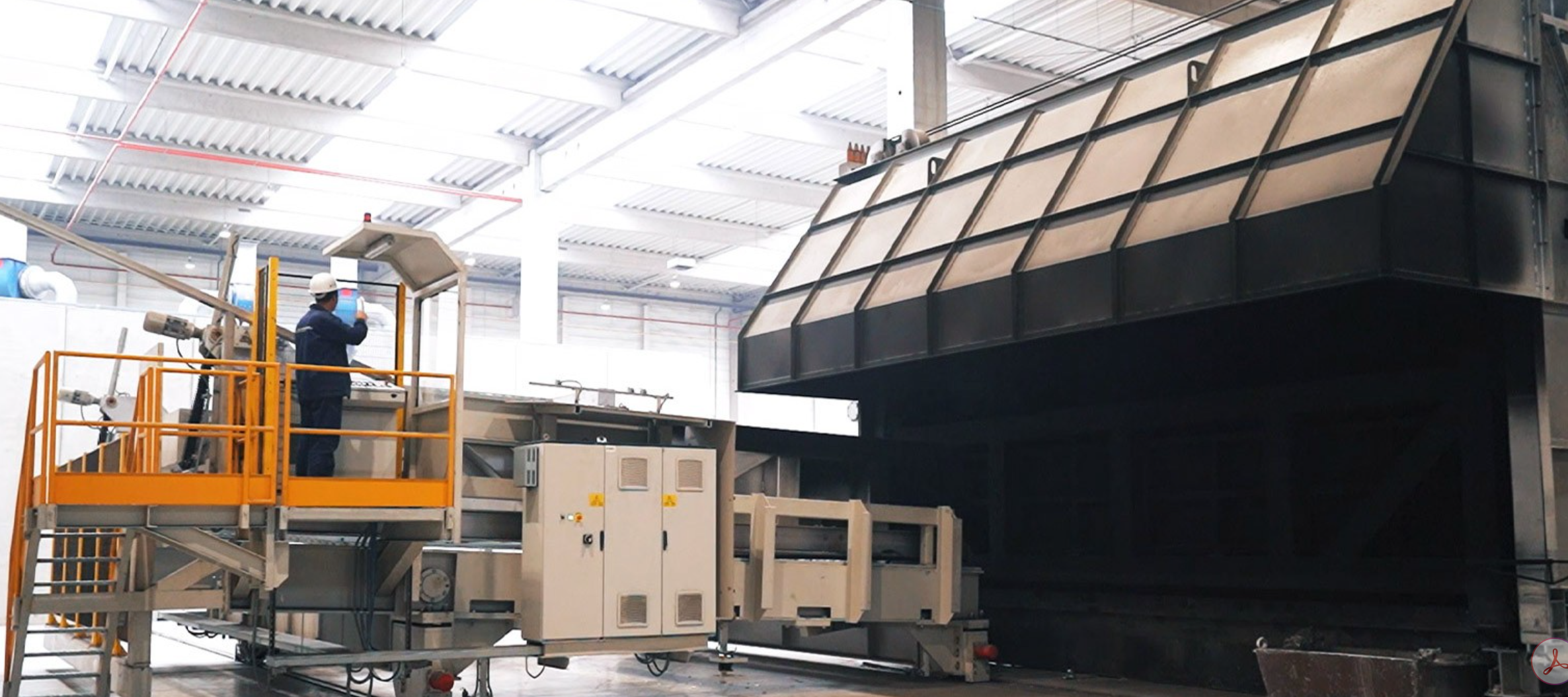
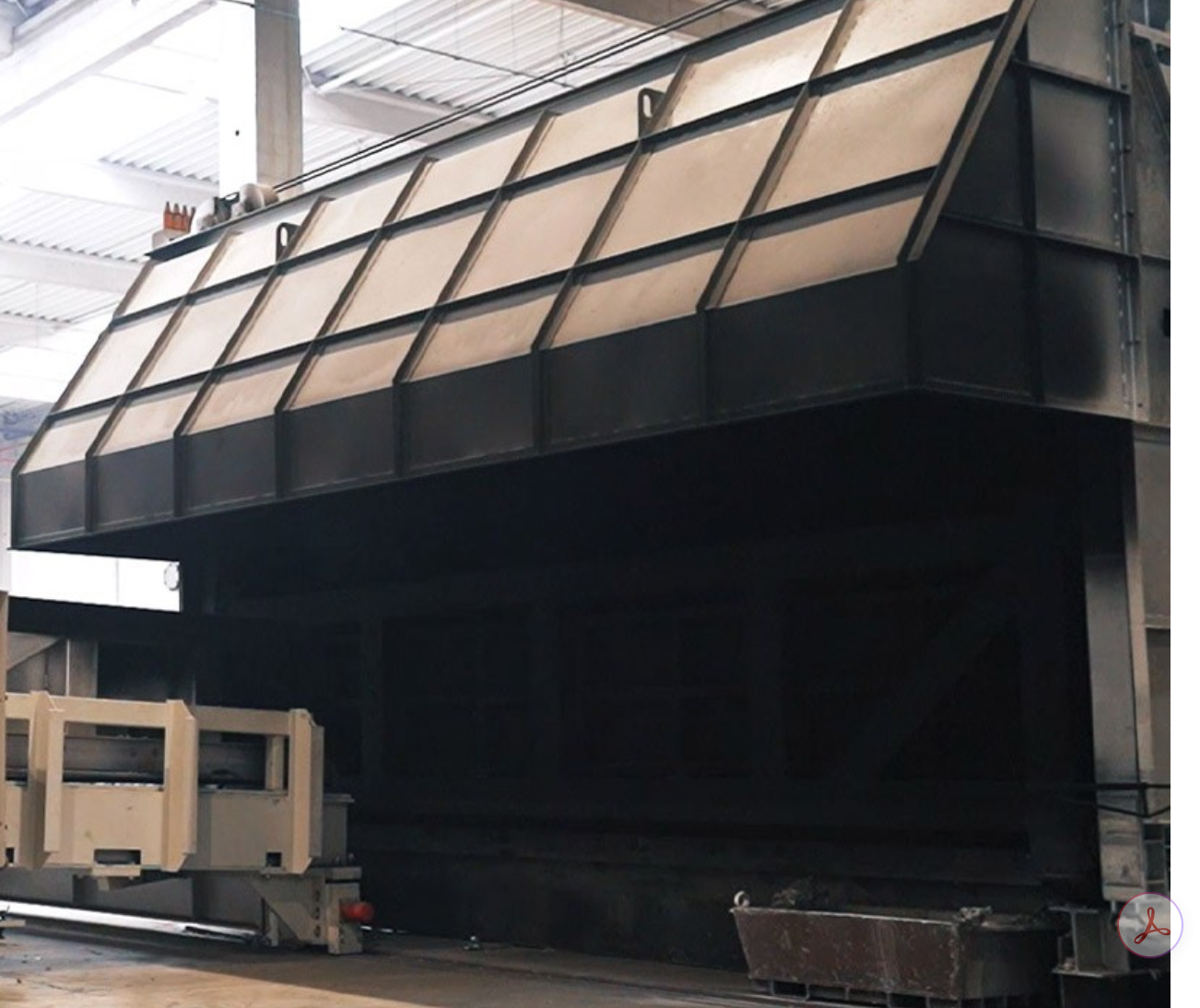
<p><span style="font-family: Calibri;color: rgb(38, 48, 58);font-size: 15px">Metal foundry projects are often judged by furnace capacity and headline temperature figures, yet production teams live with the consequences of less visible decisions: how evenly heat moves through a charge, how a pouring system manages turbulence, and how quickly an operator can understand a process deviation. Those details influence scrap, energy use, training time, and the cost of an unplanned stop.</span></p><p><span style="font-family: Calibri;color: rgb(38, 48, 58);font-size: 15px">Cometal (Foshan) Extrusion Technology Ltd presents its Foundry solution as a modular melting and casting system for industrial users. The company describes efficient heating, precise temperature control, stable casting, automation, and energy-conscious operation, alongside customization and maintenance planning. In this edited conversation, Daniel Chen, Technical Director, explains the design logic behind those claims and the implementation questions buyers should ask before equipment enters a working plant.</span></p><h2><strong><span style="font-family: Calibri;color: rgb(15, 89, 98);font-size: 20px">Q&A Body</span></strong></h2><p><span style="font-family: Calibri;color: rgb(15, 89, 98);font-size: 15px">When a buyer says they need a new foundry line, what problem should be defined before any equipment is specified?</span></p><p style="margin-left:12px"><strong><span style="font-family: Calibri;color: rgb(38, 48, 58);font-size: 15px">Daniel Chen, Technical Director: </span></strong><span style="font-family: Calibri;color: rgb(38, 48, 58);font-size: 15px">The first problem is usually not a machine problem. It is a consistency problem. A plant may lose time because temperature recovery varies, operators compensate manually, or a pouring sequence creates defects found only after inspection. We map the alloy range, casting volume, floor space, existing controls, and the points where quality is decided. That creates a baseline for capacity and automation and prevents a high-capacity furnace from being mismatched to the downstream process or operating team.</span></p><p><span style="font-family: Calibri;color: rgb(15, 89, 98);font-size: 15px">Your page emphasizes efficient heating and precise temperature control. How do those two requirements interact in daily production?</span></p><p style="margin-left:12px"><strong><span style="font-family: Calibri;color: rgb(38, 48, 58);font-size: 15px">Daniel Chen, Technical Director: </span></strong><span style="font-family: Calibri;color: rgb(38, 48, 58);font-size: 15px">Fast heating has value only when it can be controlled. A rapid cycle that overshoots the target temperature can increase oxidation, complicate alloy management, and force an operator to wait before pouring. Our design focus is a responsive heating system paired with accurate sensing and control logic, so the desired temperature is reached without turning every batch into a manual correction exercise. The benefit is a repeatable working window. When the furnace returns to that window reliably, supervisors can plan the next stage with greater confidence, while operators spend less time chasing a fluctuating process.</span></p><p><span style="font-family: Calibri;color: rgb(15, 89, 98);font-size: 15px">What is the design reasoning behind a modular foundry solution rather than a fixed, one-size-fits-all package?</span></p><p style="margin-left:12px"><strong><span style="font-family: Calibri;color: rgb(38, 48, 58);font-size: 15px">Daniel Chen, Technical Director: </span></strong><span style="font-family: Calibri;color: rgb(38, 48, 58);font-size: 15px">Foundries rarely have identical constraints. One site may need a new melting area connected to an existing casting line; another may be replacing a furnace while preserving its control platform and material-handling route. A modular approach lets the project team configure capacity, control systems, and automation interfaces around the plant that actually exists. The modules also create a clearer maintenance boundary. If a component needs attention, technicians can isolate the relevant section instead of treating the entire line as an indivisible asset. Flexibility is useful only when it remains disciplined, so integration drawings and operating assumptions must be agreed early.</span></p><p><span style="font-family: Calibri;color: rgb(15, 89, 98);font-size: 15px">Pouring quality is often where defects become visible. Which practical controls matter most at that stage?</span></p><p style="margin-left:12px"><strong><span style="font-family: Calibri;color: rgb(38, 48, 58);font-size: 15px">Daniel Chen, Technical Director: </span></strong><span style="font-family: Calibri;color: rgb(38, 48, 58);font-size: 15px">The pouring system has to protect the work done in melting. Turbulence, unstable flow, and uneven filling can introduce defects even when the metal chemistry and temperature are acceptable. We therefore look at the mechanics of the pouring path, the timing of the sequence, and the relationship between the equipment and the mold process. The goal is a controlled fill that operators can repeat, inspect, and adjust using understandable parameters. In a production environment, a stable sequence is more valuable than a complicated one that only a specialist can tune.</span></p><p><span style="font-family: Calibri;color: rgb(15, 89, 98);font-size: 15px">How should buyers assess automation without creating a system that is difficult for operators to use?</span></p><p style="margin-left:12px"><strong><span style="font-family: Calibri;color: rgb(38, 48, 58);font-size: 15px">Daniel Chen, Technical Director: </span></strong><span style="font-family: Calibri;color: rgb(38, 48, 58);font-size: 15px">Automation should remove avoidable variation, not hide the process. We favor interfaces that present important variables clearly and connect with common industrial control platforms. That allows a plant to use real-time information for decisions such as temperature correction, cycle planning, or a maintenance check. Training still matters: operators need to know what the system is doing, what an alarm means, and which intervention is safe. A well-designed interface shortens the path from a signal to a responsible action. The best control screen is not the one with the most data; it is the one that helps a team make the right decision at the right moment.</span></p><p><span style="font-family: Calibri;color: rgb(15, 89, 98);font-size: 15px">Energy efficiency is increasingly tied to both cost and compliance. Where do you see the most credible gains?</span></p><p style="margin-left:12px"><strong><span style="font-family: Calibri;color: rgb(38, 48, 58);font-size: 15px">Daniel Chen, Technical Director: </span></strong><span style="font-family: Calibri;color: rgb(38, 48, 58);font-size: 15px">The credible gains come from the whole thermal system. Efficient burners, insulation, heat recovery choices, accurate temperature control, and a production schedule that avoids unnecessary holding time all contribute. The page highlights recuperative burners and an energy-conscious operating approach, but no single component should be treated as a guarantee. Buyers should request a clear operating basis: alloy, batch size, target temperature, duty cycle, and expected loading pattern. That information makes energy discussions comparable and helps the plant verify whether a design is delivering the intended reduction in consumption rather than simply moving energy use from one stage to another.</span></p><p><span style="font-family: Calibri;color: rgb(15, 89, 98);font-size: 15px">What does customization mean in a way that is useful to a procurement and engineering team?</span></p><p style="margin-left:12px"><strong><span style="font-family: Calibri;color: rgb(38, 48, 58);font-size: 15px">Daniel Chen, Technical Director: </span></strong><span style="font-family: Calibri;color: rgb(38, 48, 58);font-size: 15px">Useful customization is specific and documented. It can include capacity adjustments, control architecture, automation integration, layout changes, and the interfaces required by an existing casting or investment-casting line. The important question is not whether a supplier can say yes; it is whether the change has a defined effect on throughput, utilities, safety, commissioning, and future service. We encourage teams to review these points before fabrication. That creates a shared reference for acceptance testing and reduces the risk that a late design change becomes a costly site modification.</span></p><p><span style="font-family: Calibri;color: rgb(15, 89, 98);font-size: 15px">Maintenance is often discussed after commissioning. How can it be designed into the project earlier?</span></p><p style="margin-left:12px"><strong><span style="font-family: Calibri;color: rgb(38, 48, 58);font-size: 15px">Daniel Chen, Technical Director: </span></strong><span style="font-family: Calibri;color: rgb(38, 48, 58);font-size: 15px">Maintenance begins with accessibility and a realistic service routine. Components exposed to high thermal stress need inspection points, replacement logic, and documentation that operators can use during a normal shift. Our support approach includes maintenance planning, operator training, and service routines intended to extend equipment life and reduce avoidable downtime. We also ask who will own each check after handover. A schedule that exists only in a manual will not protect production. The test is whether a trained team can identify a developing issue, record it, and act before it becomes a forced shutdown.</span></p><p><span style="font-family: Calibri;color: rgb(15, 89, 98);font-size: 15px">What should a buyer verify during factory acceptance and commissioning?</span></p><p style="margin-left:12px"><strong><span style="font-family: Calibri;color: rgb(38, 48, 58);font-size: 15px">Daniel Chen, Technical Director: </span></strong><span style="font-family: Calibri;color: rgb(38, 48, 58);font-size: 15px">Verification should follow the risks identified at the start. Check heating response, temperature stability, control alarms, pouring sequence, interlocks, data visibility, and maintenance access. Confirm the operating envelope for intended alloys and the training needed for each shift. Commissioning is not only a demonstration that a machine can run; it transfers responsibility to the people who must deliver safe, repeatable output every day. Clear records make later troubleshooting faster and reduce disagreement about expectations.</span></p><p><span style="font-family: Calibri;color: rgb(15, 89, 98);font-size: 15px">Looking ahead, what principle will continue to guide Cometal's foundry work?</span></p><p style="margin-left:12px"><strong><span style="font-family: Calibri;color: rgb(38, 48, 58);font-size: 15px">Daniel Chen, Technical Director: </span></strong><span style="font-family: Calibri;color: rgb(38, 48, 58);font-size: 15px">The guiding principle is system-level thinking. Melting, casting, controls, energy use, and maintenance are connected, so improving one area while ignoring the others can simply move a cost downstream. We want the equipment to be understandable, adaptable, and measurable in the environment where it will operate. That means listening carefully to production and maintenance teams, using modular engineering where it improves fit, and keeping performance claims tied to a defined operating basis. In a foundry, consistency is not a slogan; it is the result of many small decisions being made repeatable.</span></p><p style="margin-left:12px"><span style="font-family: Calibri;color: rgb(38, 48, 58);font-size: 15px"> </span></p><p><span style="font-family: 宋体;color: rgb(38, 48, 58);font-size: 15px"><span style="font-family:Calibri">T</span></span><span style="font-family: Calibri;color: rgb(38, 48, 58);font-size: 15px">he discussion kept returning to one practical idea: foundry performance is built through connected decisions, from burner selection to the maintenance routine after handover. That focus on consistency gives the equipment its operational meaning.</span></p><p><a href="https://www.cometal.cn/"><strong><span style="text-decoration:underline;"><span style="font-family: Calibri;color: rgb(0, 0, 255)">Cometal</span></span></strong></a><span style="font-family: Calibri;color: rgb(38, 48, 58);font-size: 15px">'s Foundry offering is presented less as a standalone furnace and more as a configurable production system. Its stated priorities - efficient heating, accurate temperature control, stable pouring, automation, and planned maintenance - map directly to defects, energy intensity, operator workload, and downtime. A sound project begins with a defined operating envelope, continues through documented integration and acceptance checks, and ends with a service routine that people can actually follow. For plants evaluating a new melting and casting setup, judge the equipment by the consistency it enables across the full production cycle.</span></p><p><br/></p>
Company dynamics
2026-08-27
Stable Casting Techniques to Improve Product Consistency in the Giants Foundry Industry
<p><span style=";font-family:Arial;font-size:16px">In everyday foundry operations, delays and irregularities can quietly chip away at production consistency and product quality. While operators manage heat cycles and metal pours, unseen fluctuations in temperature or pouring speed may disrupt the casting outcome. Addressing these workflow inefficiencies, a reliable foundry solution stands as a key linchpin that links stable casting processes with improved overall performance. This practical approach, favored in </span><a href="https://www.cometal.cn/article/uE9g9aJjNK"><strong><span style="font-family: Arial;color: rgb(79, 129, 189)">investment casting foundry</span></strong></a><span style=";font-family:Arial;font-size:16px"> environments, targets the roots of inconsistency, harmonizing daily routines and setting a consistent pace for metalwork with fewer defects.</span></p><p><span style=";font-family:Arial;font-size:16px"> </span></p><h2><a name="X5ee66c16912443abef4637052098b875dfc0dfd"></a><strong><span style="font-family: Arial;color: rgb(79, 129, 189);font-size: 19px">Uniform Cooling Processes Increasing Surface Finish Quality in Metal Foundries</span></strong></h2><p><span style=";font-family:Arial;font-size:16px">Within the Giants foundry industry, the uniformity of cooling processes is essential for achieving premium surface finishes and reliable mechanical properties in metal castings. A foundry solution that emphasizes precise temperature control throughout solidification helps prevent internal stresses and surface imperfections. When metals cool too quickly or unevenly, it can lead to cracking, warping, or an inconsistent grain structure that diminishes product value. By integrating uniform cooling protocols and real-time monitoring into foundry service offerings, operators ensure that each casting hardens at a steady rate, preserving surface integrity and dimensional accuracy. This consistency is critical for investment casting foundries, which require high precision in complex geometries often used in aerospace or automotive components. The ability to maintain stable cooling environments also reduces rework and scrap rates, fitting neatly into sustainable production goals. Since many metals have varying thermal conductivity, adaptable </span><a href="https://www.cometal.cn/"><strong><span style="font-family: Arial;color: rgb(79, 129, 189)">foundry solutions</span></strong></a><span style=";font-family:Arial;font-size:16px"> enable customization of cooling speeds according to alloy type, further elevating product quality. Overall, stable thermal management in the cooling phase is a subtle yet profound driver of superior finished goods in metal foundries.</span></p><p><span style=";font-family:Arial;font-size:16px"> </span></p><h2><a name="Xe7432be6a29184ae26540879a08f80dcf181d96"></a><strong><span style="font-family: Arial;color: rgb(79, 129, 189);font-size: 19px">Reduction of Turbulence Through Optimized Pouring in Giants Foundry Systems</span></strong></h2><p><span style=";font-family:Arial;font-size:16px">One common challenge in metal casting is turbulence during the pouring phase, which can introduce defects like gas entrapment, cold shuts, or surface blemishes. Giants foundry systems that incorporate optimized pouring mechanisms provide a thoughtful foundry solution to this widespread issue. By controlling the flow rate and direction of molten metal into molds, these systems create a laminar filling process that reduces splashing and chaotic mixing. This method preserves the chemical and physical integrity of the metal while preventing mold erosion and contamination. For investment casting foundries where precise patterns are critical, minimizing turbulence directly correlates with improved dimensional accuracy and fewer post-casting repairs. Foundry services equipped with such pouring technology often include adjustable gating and riser designs, which further influence flow behavior tailored to specific alloy properties or mold geometries. Reducing turbulence also extends mold life and lessens downtime caused by corrective maintenance. Consequently, foundry operators experience greater consistency in casting quality alongside smoother, more efficient production cycles. This approach reflects a balance between engineered system design and practical foundry expertise, optimizing metal flow from furnace to final shape.</span></p><p><span style=";font-family:Arial;font-size:16px"> </span></p><h2><a name="Xbd302f23091911f223658105b7bb7599291e33d"></a><strong><span style="font-family: Arial;color: rgb(79, 129, 189);font-size: 19px">Impact of Automation on Minimizing Casting Defects and Downtime</span></strong></h2><p><span style=";font-family:Arial;font-size:16px">Automation has reshaped many aspects of the Giants foundry industry by introducing precision and repeatability into processes prone to human variability. When integrated as part of a comprehensive foundry service, automation addresses stability concerns that otherwise lead to casting defects and extended downtime. Automated temperature regulation, pouring sequence control, and real-time quality assurance monitoring form the backbone of advanced foundry solutions. These systems reduce manual interventions, thus cutting the potential for operator errors that cause inconsistent heating or mold filling. Investment casting foundries particularly benefit from the data-driven insights automation offers, enabling predictive maintenance schedules and immediate adjustments to process parameters. Automation not only ensures adherence to tight tolerances but also enhances throughput by maintaining steady run times with minimal unplanned halts. Moreover, the modularity of these automation controls allows customization according to production scale or alloy requirements, blending seamlessly with existing foundry infrastructure. Providers like Cometal Extrusion Lines offer modular automation systems that integrate energy efficiency with durable components, supporting improved production consistency and reduced defects. The net effect is a more reliable production environment yielding uniform quality castings while supporting sustainability goals with efficient energy use. In this way, automation acts as a foundation for continuous improvement, linking the core promises of foundry solutions with workplace safety and operational excellence.</span></p><p><span style=";font-family:Arial;font-size:16px"> </span></p><p><span style=";font-family:Arial;font-size:16px">Steady casting quality is the result of integrating purposeful foundry solutions that address multiple stages of the metalworking process, from heating and pouring to cooling and finishing. The balance of uniform cooling, optimized pouring, and automation enhances reliability in investment casting foundry operations while reducing manual error and downtime. As foundry service providers refine their systems, they create more durable products and environmentally conscious workflows tailored to alloy diversity and production demands. Those who adopt these innovations embrace a milestone in industrial evolution-one where craftsmanship meets science to produce metals that meet not just current specifications, but the emerging expectations for consistency and efficiency. This progression anticipates the needs of future manufacturing cycles, where stable, adaptable processes will remain key to sustaining quality and optimizing operational potential in demanding foundry environments.</span></p><p><span style=";font-family:Arial;font-size:16px"> </span></p><p><span style=";font-family:Arial;font-size:16px"> </span></p><h3><a name="related-links"></a><strong><span style="font-family: Arial;color: rgb(79, 129, 189);font-size: 16px">Related Links</span></strong></h3><p><span style=";font-family:Arial;font-size:16px"> </span></p><p style="margin-left:48px"><span style="font-family:Arial;font-size:16px">• </span><a href="https://www.cometal.cn/article/uE9g9aJjNK"><span style=";font-family:Arial;color:rgb(79,129,189)">Foundry</span></a><span style=";font-family:Arial;font-size:16px"> - Explore our foundry solutions designed to enhance stability and efficiency in casting processes.</span></p><p style="margin-left:48px"><span style="font-family:Arial;font-size:16px">• </span><a href="https://www.cometal.cn/article/cn9tkb4GaD"><span style=";font-family:Arial;color:rgb(79,129,189)">WHAT WE DO</span></a><span style=";font-family:Arial;font-size:16px"> - Discover the range of services we offer to ensure high-quality casting and automation in foundries.</span></p><p style="margin-left:48px"><span style="font-family:Arial;font-size:16px">• </span><a href="https://www.cometal.cn/articlelist/vc6bHoocj3"><span style=";font-family:Arial;color:rgb(79,129,189)">CASE</span></a><span style=";font-family:Arial;font-size:16px"> - Review successful case studies showcasing improvements in production consistency through our innovative foundry solutions.</span></p><p style="margin-left:48px"><span style="font-family:Arial;font-size:16px">• </span><a href="https://www.cometal.cn/articlelist/hdKmmCziJL"><span style=";font-family:Arial;color:rgb(79,129,189)">NEWS</span></a><span style=";font-family:Arial;font-size:16px"> - Stay updated with the latest advancements and news in the foundry industry that impact casting quality.</span></p><p style="margin-left:48px"><span style="font-family:Arial;font-size:16px">• </span><a href="https://www.cometal.cn/article/HCkCmrzPjr"><span style=";font-family:Arial;color:rgb(79,129,189)">WHO WE ARE</span></a><span style=";font-family:Arial;font-size:16px"> - Learn about our commitment to quality and innovation in the giants foundry sector.</span></p><p><span style=";font-family:Arial;font-size:16px"> </span></p><p><br/></p>
Company dynamics
2026-08-27
Exploring Automation Control to Enhance Performance in Metal Foundry Production
<p><span style=";font-family:Arial;font-size:16px">Last month, a leading investment casting foundry faced frequent delays due to inconsistent temperature control and manual monitoring inefficiencies. Such challenges are common in metal foundry environments, where precision and timing dictate product quality and operational cost. This scenario underscores the growing need for a foundry solution equipped with advanced automation control that elevates both performance and reliability. Through intelligent automation integration, </span><a href="https://www.cometal.cn/article/uE9g9aJjNK"><strong><span style="font-family: Arial;color: rgb(79, 129, 189)">foundry service</span></strong></a><span style=";font-family:Arial;font-size:16px"> providers now offer tools that streamline complex processes, ensuring steadier output while reducing human error. The evolution of these systems reflects a pivotal shift toward smarter production methods in metal foundry operations.</span></p><p><span style=";font-family:Arial;font-size:16px"> </span></p><h2><a name="X20c59b512191fd691da91b7e4930155d5919316"></a><strong><span style="font-family: Arial;color: rgb(79, 129, 189);font-size: 19px">Intuitive Interfaces Improving Throughput in Giants Foundry Facilities</span></strong></h2><p><span style=";font-family:Arial;font-size:16px">In large-scale investment casting foundries, managing vast quantities of molten metal and precise heat cycles demands user-friendly automation interfaces. </span><a href="https://www.cometal.cn/"><strong><span style="font-family: Arial;color: rgb(79, 129, 189)">Foundry solutions</span></strong></a><span style=";font-family:Arial;font-size:16px"> equipped with such intuitive controls allow operators to respond swiftly to real-time data without becoming overwhelmed by technical complexity. These interfaces typically feature customizable dashboards tailored to specific alloy requirements and production stages, reducing distractions and improving accuracy during critical process steps. By simplifying temperature management and casting schedules, they help increase throughput, fostering a smoother flow of operations across the facility. This lowered dependence on manual adjustments not only cuts downtime but also safeguards product consistency-key for foundry services aiming to maintain stringent quality standards under high workload. Additionally, the modular design of these automation systems, such as those offered by Cometal Extrusion Lines, permits seamless upgrades and integration, allowing existing foundry infrastructures to evolve without total overhaul. As a consequence, foundries can sustain robust production cycles efficiently, drawing upon user-friendly automation to maintain reliability and reduce delays inherent to traditional foundry methods.</span></p><p><span style=";font-family:Arial;font-size:16px"> </span></p><h2><a name="Xb2f4764a279c4a4edcb954d259874cba570f75e"></a><strong><span style="font-family: Arial;color: rgb(79, 129, 189);font-size: 19px">Real-Time Monitoring Supporting Quality Assurance in Metal Foundry Lines</span></strong></h2><p><span style=";font-family:Arial;font-size:16px">Quality assurance in metal foundry production increasingly leans on real-time monitoring embedded within modern foundry solutions. These systems collect continuous data from temperature sensors, casting machines, and environmental conditions, enabling rapid detection of deviations from optimal manufacturing parameters. Especially in investment casting foundries, where precise alloy compositions and solidification times determine the structural integrity of parts, instant alerts on temperature variances or pouring inconsistencies allow prompt corrections that minimize defects. This immediate feedback loop enhances repeatability across batches, contributing to a uniform finish and structural soundness essential for high-performance components. Moreover, the availability of detailed operational histories supports predictive maintenance, helping foundry services to anticipate equipment wear before failure occurs, thereby avoiding costly downtime. The automated recording and reporting of process metrics also simplify compliance with industry standards and customer specifications, further underscoring the value of integrated automation control. By uniting real-time insights with intelligent response capabilities, this foundry solution bridges the gap between production efficiency and stringent quality demands, optimizing the entire manufacturing chain in metal foundry environments.</span></p><p><span style=";font-family:Arial;font-size:16px"> </span></p><h2><a name="X4c44bbc0170e743b803e2c19f0af171cd184572"></a><strong><span style="font-family: Arial;color: rgb(79, 129, 189);font-size: 19px">Data-Driven Production Management Benefits for Modern Metal Foundries</span></strong></h2><p><span style=";font-family:Arial;font-size:16px">The shift toward data-driven production management enables investment casting foundries to achieve unprecedented control over their manufacturing cycles. Foundry solutions enabled with automation integration facilitate the aggregation and analysis of operational data to identify inefficiencies and to optimize resource allocation. This holistic perspective allows management to adjust heating profiles, pouring speeds, and cooling rates in accordance with real-time performance metrics, elevating both consistency and throughput. Data analytics also assist in balancing energy consumption with production demands, reinforcing eco-friendly initiatives while lowering operating costs-a crucial factor for foundry services mindful of environmental impact. The adaptability of these systems to various alloy requirements and casting volumes ensures versatile application across diverse foundry tasks, accommodating shifts in production without sacrificing quality. Furthermore, automation-driven data transparency supports strategic decision-making, from maintenance scheduling to supply chain coordination. This informed approach cultivates resilience in foundry operations, turning complex plant dynamics into manageable, insight-led workflows that enhance overall productivity in metal foundry production.</span></p><p><span style=";font-family:Arial;font-size:16px">Through exploration of these facets, it becomes clear that foundry solutions equipped with advanced automation and data integration address critical challenges in metal casting processes. The intuitive operation of interfaces improves throughput while maintaining ease of use, real-time monitoring safeguards product quality through vigilant oversight, and data-driven management refines resource utilization and operational planning. These attributes collectively reduce human error, improve consistency, and optimize energy use-all essential for thriving investment casting foundries. Maintaining adaptable control systems and stable casting mechanisms ensures the foundry service can meet diverse alloy requirements and production scales with reliability and efficiency. Such comprehensive technologies not only refine current production capabilities but also pave the way for future innovations in metal foundry manufacturing. Engaging with these advancements invites a more confident and streamlined production environment, well-suited to sustain the evolving demands of modern metal casting industries.</span></p><h3><a name="related-links"></a><strong><span style="font-family: Arial;color: rgb(79, 129, 189);font-size: 16px">Related Links</span></strong></h3><p style="margin-left:48px"><span style="font-family:Arial;font-size:16px">• </span><a href="https://www.cometal.cn/article/uE9g9aJjNK"><span style=";font-family:Arial;color:rgb(79,129,189)">Foundry</span></a><span style=";font-family:Arial;font-size:16px"> - Discover the latest advancements in foundry solutions that enhance production efficiency and reliability.</span></p><p style="margin-left:48px"><span style="font-family:Arial;font-size:16px">• </span><a href="https://www.cometal.cn/article/cn9tkb4GaD"><span style=";font-family:Arial;color:rgb(79,129,189)">WHAT WE DO</span></a><span style=";font-family:Arial;font-size:16px"> - Learn about our comprehensive services designed to optimize foundry manufacturing processes.</span></p><p style="margin-left:48px"><span style="font-family:Arial;font-size:16px">• </span><a href="https://www.cometal.cn/article/HCkCmrzPjr#5"><span style=";font-family:Arial;color:rgb(79,129,189)">Our Certificates</span></a><span style=";font-family:Arial;font-size:16px"> - Explore our certifications that reflect our commitment to quality and industry standards in foundry operations.</span></p><p style="margin-left:48px"><span style="font-family:Arial;font-size:16px">• </span><a href="https://www.cometal.cn/article/HCkCmrzPjr#4"><span style=";font-family:Arial;color:rgb(79,129,189)">Our Partners</span></a><span style=";font-family:Arial;font-size:16px"> - Find out about our esteemed partners who contribute to elevating foundry service excellence.</span></p><p style="margin-left:48px"><span style="font-family:Arial;font-size:16px">• </span><a href="https://www.cometal.cn/articlelist/hdKmmCziJL"><span style=";font-family:Arial;color:rgb(79,129,189)">NEWS</span></a><span style=";font-family:Arial;font-size:16px"> - Stay updated with the latest news and innovations in the metal foundry sector.</span></p><p><br/></p>
Company dynamics
2026-08-27
Key Factors Driving Quality Improvements in Metal Foundry Casting Processes
<p><span style=";font-family:Arial;font-size:16px">In today's bustling market, the sheer volume of available metal casting equipment and technologies often overwhelms foundry operators striving for consistent quality. Choosing an appropriate foundry solution becomes more than a routine decision; it's a strategic move to elevate production standards while managing costs. A carefully selected </span><a href="https://www.cometal.cn/article/uE9g9aJjNK"><strong><span style="font-family: Arial;color: rgb(79, 129, 189)">investment casting foundry</span></strong></a><span style=";font-family:Arial;font-size:16px"> setup combined with reliable foundry service can drastically reduce defects and improve product outcomes. This environment calls for solutions that can integrate smoothly into existing workflows, offering precise control, optimized mechanisms, and efficient automation to meet the demanding standards of modern metal casting.</span></p><p><span style=";font-family:Arial;font-size:16px"> </span></p><h2><a name="Xf35ab0bcd11179f1bd7db131144e5b8b1f1939d"></a><strong><span style="font-family: Arial;color: rgb(79, 129, 189);font-size: 19px">Influence of Precise Temperature Control on Casting Consistency in Giants Foundry</span></strong></h2><p><span style=";font-family:Arial;font-size:16px">In metal casting, the ability to maintain and regulate temperature with pinpoint accuracy profoundly influences casting results. A </span><a href="https://www.cometal.cn/"><strong><span style="font-family: Arial;color: rgb(79, 129, 189)">foundry solution</span></strong></a><span style=";font-family:Arial;font-size:16px"> that emphasizes precise temperature control ensures that metals reach their ideal molten state without overheating or cooling prematurely, factors critical in achieving uniform microstructures and avoiding defects. Within a veteran investment casting foundry, this control translates to fewer instances of porosity, cracks, or inclusions, which often arise from temperature fluctuations. Moreover, precise control reduces cycle times by minimizing the need for corrective measures post-casting, elevating throughput. Such control systems typically feature modular designs adaptable to various alloy requirements and casting volumes, allowing foundry service technicians to tailor parameters for each production batch. This nuanced thermal management not only boosts the quality of castings through stable solidification but also enhances surface finish consistency, a key attribute for industries where aesthetics and shape fidelity matter. In long production runs, reliable temperature control reduces material wastage and energy consumption, aligning foundries with sustainability goals while supporting operational efficiency-a vital consideration for any modern foundry service provider.</span></p><p><span style=";font-family:Arial;font-size:16px"> </span></p><h2><a name="X5109a2747c782200a927fc7b877666d246aa9dc"></a><strong><span style="font-family: Arial;color: rgb(79, 129, 189);font-size: 19px">Role of Optimized Pouring Systems in Reducing Mold Filling Defects</span></strong></h2><p><span style=";font-family:Arial;font-size:16px">An often underappreciated aspect of foundry service focuses on the pouring stage, where molten metal is transferred into molds. When pouring systems are not optimized, turbulence and erratic flow patterns can introduce gas entrapment and cold shuts, severely compromising casting quality. Foundry solutions engineered with advanced pouring mechanics address these issues by delivering a stable, laminar flow that fills molds uniformly and gently. Within an investment casting foundry, such systems reduce the risk of mold filling defects by controlling flow velocities and minimizing turbulence during the process. This careful modulation helps in achieving complete mold filling while prolonging the lifespan of the mold materials by preventing unnecessary stress. The ability to customize pouring parameters based on cast geometry and metal properties is crucial, ensuring that each casting meets stringent quality benchmarks without extensive rework. Incorporating real-time monitoring during pouring phases allows the foundry service team to respond swiftly to anomalies, safeguarding consistency across production batches. Enhanced pouring mechanics, designed to integrate seamlessly with automation controls, form a vital part of foundry solution suites that prioritize reducing waste and improving the surface quality and dimensional accuracy of final products, benefiting industries ranging from aerospace to medical manufacturing.</span></p><p><span style=";font-family:Arial;font-size:16px"> </span></p><h2><a name="X6f4a126b1d96ffaa87d032147c67f1ee9993cfb"></a><strong><span style="font-family: Arial;color: rgb(79, 129, 189);font-size: 19px">Automation Contributions to Maintaining Metal Foundry Production Efficiency</span></strong></h2><p><span style=";font-family:Arial;font-size:16px">Automation has steadily transformed metal foundry processes by reducing human error and increasing repeatability, staples of a dependable foundry service operation. By integrating intelligent automation systems into an investment casting foundry's workflow, operators gain consistent control over heating, pouring, cooling, and post-processing stages. Automation allows for rapid heating cycles with fine temperature adjustments, improving throughput without compromising the quality standards customers expect. Additionally, automated equipment offers real-time data collection, essential for proactive maintenance and quality assurance, which reduces downtime and operational risks. These advanced control systems are designed for adaptability, catering to changing alloy types, batch sizes, and production complexities. This flexibility ensures that a foundry solution stays relevant despite evolving manufacturing demands. Beyond productivity gains, automation also enhances workplace safety by minimizing direct human exposure to high-temperature operations and heavy machinery. Integrating automation within an investment casting foundry supports environmental goals, as energy-efficient runs generate less waste and lower emissions. Foundry service providers incorporating automation report smoother production workflows, better resource utilization, and clearer visibility into quality metrics, proving essential for sustaining competitiveness in a technology-driven market.</span></p><p><span style=";font-family:Arial;font-size:16px"> </span></p><p><span style=";font-family:Arial;font-size:16px">The integration of a thoughtfully engineered foundry solution, supported by consistent foundry service, offers enduring benefits across temperature control precision, optimized pouring systems, and automation adoption. The modular and adaptable design aspects of such solutions provide operational resilience and ease of use. Companies like Cometal Extrusion Lines offer modular designs with durable components and customizable automation systems that suit various metal alloys and production scales, supporting improved production consistency and operational productivity. As metal casting remains core to manufacturing diverse products, these advancements address both quality and efficiency concerns, reducing defects and downtime. Those involved in investment casting foundry environments can appreciate how these elements come together to support high standards while adapting to shifting production parameters. Reflecting on how a foundry implements these solutions reveals a landscape where quality improvements become standard practice rather than exceptions, offering a future where manufacturing excellence and environmental responsibility walk hand in hand.</span></p><p><span style=";font-family:Arial;font-size:16px"> </span></p><p><span style=";font-family:Arial;font-size:16px"> </span></p><h3><a name="related-links"></a><strong><span style="font-family: Arial;color: rgb(79, 129, 189);font-size: 16px">Related Links</span></strong></h3><p><span style=";font-family:Arial;font-size:16px"> </span></p><p style="margin-left:48px"><span style="font-family:Arial;font-size:16px">• </span><a href="https://www.cometal.cn/article/uE9g9aJjNK"><span style=";font-family:Arial;color:rgb(79,129,189)">Foundry</span></a><span style=";font-family:Arial;font-size:16px"> - Explore our comprehensive range of foundry solutions ensuring top-notch casting quality.</span></p><p style="margin-left:48px"><span style="font-family:Arial;font-size:16px">• </span><a href="https://www.cometal.cn/article/cn9tkb4GaD"><span style=";font-family:Arial;color:rgb(79,129,189)">WHAT WE DO</span></a><span style=";font-family:Arial;font-size:16px"> - Discover how our services in metal casting enhance production efficiency.</span></p><p style="margin-left:48px"><span style="font-family:Arial;font-size:16px">• </span><a href="https://www.cometal.cn/article/HCkCmrzPjr#4"><span style=";font-family:Arial;color:rgb(79,129,189)">Our Partners</span></a><span style=";font-family:Arial;font-size:16px"> - Learn about our strategic partnerships that elevate our foundry capabilities.</span></p><p style="margin-left:48px"><span style="font-family:Arial;font-size:16px">• </span><a href="https://www.cometal.cn/articlelist/vc6bHoocj3"><span style=";font-family:Arial;color:rgb(79,129,189)">CASE</span></a><span style=";font-family:Arial;font-size:16px"> - View case studies demonstrating successful implementations of our foundry services.</span></p><p style="margin-left:48px"><span style="font-family:Arial;font-size:16px">• </span><a href="https://www.cometal.cn/article/SE2D42Tzmw"><span style=";font-family:Arial;color:rgb(79,129,189)">Talent Recruitment</span></a><span style=";font-family:Arial;font-size:16px"> - Join our team to work on innovative foundry projects that shape the future of metal casting.</span></p><p><span style=";font-family:Arial;font-size:16px"> </span></p><p><br/></p>
Company dynamics
2026-08-25
Giants Foundry Solutions Tailored for Diverse Alloy Compatibility
<p><span style=";font-family:Arial;font-size:16px">Every day, foundry operators navigate complex workflows that demand precision and adaptability. The challenge of handling diverse metal alloys while maintaining consistent output quality often reveals inefficiencies in conventional setups. In such environments, a reliable and versatile </span><a href="https://www.cometal.cn/article/uE9g9aJjNK"><strong><span style="font-family: Arial;color: rgb(79, 129, 189)">foundry solution</span></strong></a><span style=";font-family:Arial;font-size:16px"> becomes essential to streamline operations, improve yield, and reduce downtime. Modern foundry service providers offer tailored equipment designed to fit seamlessly into varied production lines, including those specializing in investment casting foundry processes. This ensures that foundry teams can focus on craftsmanship and innovation without compromising performance or adaptability across diverse materials.</span></p><p><span style=";font-family:Arial;font-size:16px"> </span></p><h2><a name="X7ad1acc0bedd09c56fd867e1b056a1e7c103c72"></a><strong><span style="font-family: Arial;color: rgb(79, 129, 189);font-size: 19px">Customization Options for Capacity and Control in Metal Foundry Equipment</span></strong></h2><p><span style=";font-family:Arial;font-size:16px">In the metal foundry industry, especially within </span><a href="https://www.cometal.cn/"><strong><span style="font-family: Arial;color: rgb(79, 129, 189)">investment casting foundry</span></strong></a><span style=";font-family:Arial;font-size:16px"> environments, flexibility is crucial because projects vary widely by alloy composition and casting volume. Foundry solutions that provide customizable capacity and control systems meet these demands by allowing operators to tailor heating and pouring parameters to specific materials and batch sizes. This modular approach means that foundries can scale production without overhauling equipment, integrating new control software that adapts to differences in melting points or cooling curves inherent to various alloys. Furthermore, precise temperature management is critical for achieving consistent metal quality, particularly in specialized casting processes widely favored in aerospace or automotive sectors. By enabling detailed adjustments to heating rates and cooling sequences, these systems maintain stable casting conditions that reduce defects and waste. Foundry solutions from providers like Cometal Extrusion Lines feature modular designs and customizable automation systems that support these requirements, enhancing operational consistency. Thus, investment casting foundry operations benefit from a foundry solution designed with modularity and user-centered control interfaces, supporting both high capacity runs and delicate, small-batch work with equal efficiency.</span></p><p><span style=";font-family:Arial;font-size:16px"> </span></p><h2><a name="Xd905da0c68e7f3ee5568493fc36a9f9263a4fdd"></a><strong><span style="font-family: Arial;color: rgb(79, 129, 189);font-size: 19px">Maintenance Support Strategies Extending Foundry Equipment Lifespan</span></strong></h2><p><span style=";font-family:Arial;font-size:16px">The longevity </span><span style=";font-family:Arial;font-size:16px">and operational reliability of foundry equipment often determine the overall productivity and profitability of metal casting operations. Through comprehensive foundry service strategies, foundries gain access to proactive maintenance plans that minimize unplanned downtime and extend the life of critical components subjected to high thermal stress. These services often include operator training on routine checks, real-time monitoring support, and tailored maintenance schedules aligned with specific alloy usage in investment casting foundry settings. In practice, attention to factors such as thermal cycling, pouring system wear, and control system diagnostics ensures equipment remains in peak condition despite the demanding environment. By reducing equipment failures and incorporating predictive maintenance technologies, foundry solutions offer foundry teams greater confidence in meeting production deadlines and quality standards. Additionally, service plans crafted for diverse alloy usage accommodate the unique corrosive or mechanical impacts that different metals impose, ensuring that maintenance efforts are as adaptive as the equipment itself. These customized plans may also incorporate regular inspections of crucibles, molds, refractory linings, pumps, filters, and material-handling systems, allowing technicians to identify early signs of cracking, erosion, contamination, or dimensional instability before they develop into costly failures. For investment casting foundries working with stainless steel, nickel-based alloys, aluminum, titanium, or other specialized materials, maintenance requirements can vary considerably according to melting temperature, chemical reactivity, viscosity, and casting cycle frequency. A service provider with broad technical experience can therefore recommend suitable inspection intervals, replacement criteria, lubrication procedures, and calibration standards for each production line. Detailed maintenance records further help managers compare equipment performance over time, identify recurring issues, and plan spare-parts procurement before critical components reach the end of their service life. This approach not only protects production continuity but also improves workplace safety by reducing the likelihood of sudden equipment malfunctions, uncontrolled material discharge, or failures during high-temperature operations. When combined with remote technical assistance and on-site emergency support, a well-structured foundry service program creates a dependable operational framework that allows production teams to focus on process optimization, casting quality, and long-term capacity growth.</span></p><p><span style=";font-family:Arial;font-size:16px"> </span></p><h2><a name="X5112cefbbad99e598b873ee22390a4229b84907"></a><strong><span style="font-family: Arial;color: rgb(79, 129, 189);font-size: 19px">Automation and Monitoring Systems Facilitating High-Quality Casting Outcomes</span></strong></h2><p><span style=";font-family:Arial;font-size:16px">Automation integration is transforming how foundries manage complexity and precision simultaneously, particularly within investment casting foundry operations where consistency is paramount. Automated foundry solutions equipped with intelligent monitoring systems track temperature, pouring rates, and cooling phases continuously to uphold strict quality benchmarks. These systems reduce human error while providing operators with actionable data that supports fine-tuning during production. For alloys with tight tolerance requirements, this real-time feedback loop ensures that casting conditions stay within pre-set parameters, ultimately improving surface finish and structural integrity. The seamless interface between automation and existing industrial control platforms further enhances operational efficiency by enabling data-driven decision-making and better resource allocation. Foundry service providers emphasize ease of integration and user-friendly automation to equip foundry teams with tools that simplify workflow complexity. As foundries shift toward Industry 4.0 practices, automation tools within these foundry solutions become indispensable assets for achieving repeatable, high-quality casting outcomes across diverse metal types.</span></p><p><span style=";font-family:Arial;font-size:16px"> </span></p><p><span style=";font-family:Arial;font-size:16px">The value of an adaptable foundry solution is evident in any foundry where metal diversity and consistent output quality coexist as daily demands. Supporting these operations through robust foundry service, from tailored maintenance to automation, nurtures both productivity and craftsmanship. The practical design features and customizable controls accommodate a broad range of alloys, making it a dependable partner in investment casting foundry environments. With continuous monitoring and thoughtful maintenance frameworks, the operation's reliability and casting quality can steadily improve over time. This combination of adaptability and precision encourages ongoing refinement, inviting foundry professionals to explore how evolving foundry solutions can integrate into their workflows for sustained growth and refined metalwork results.</span></p><p><span style=";font-family:Arial;font-size:16px"> </span></p><p><span style=";font-family:Arial;font-size:16px"> </span></p><h3><a name="related-links"></a><strong><span style="font-family: Arial;color: rgb(79, 129, 189);font-size: 16px">Related Links</span></strong></h3><p><span style=";font-family:Arial;font-size:16px"> </span></p><p style="margin-left:48px"><span style="font-family:Arial;font-size:16px">• </span><a href="https://www.cometal.cn/article/uE9g9aJjNK"><span style=";font-family:Arial;color:rgb(79,129,189)">Foundry</span></a><span style=";font-family:Arial;font-size:16px"> - Discover innovative foundry solutions designed for enhancing metal casting processes.</span></p><p style="margin-left:48px"><span style="font-family:Arial;font-size:16px">• </span><a href="https://www.cometal.cn/article/C41QKifbbB#1"><span style=";font-family:Arial;color:rgb(79,129,189)">Contact Information</span></a><span style=";font-family:Arial;font-size:16px"> - Get in touch for tailored foundry solutions that meet your alloy needs.</span></p><p style="margin-left:48px"><span style="font-family:Arial;font-size:16px">• </span><a href="https://www.cometal.cn/article/cn9tkb4GaD"><span style=";font-family:Arial;color:rgb(79,129,189)">WHAT WE DO</span></a><span style=";font-family:Arial;font-size:16px"> - Explore the range of services offered to optimize your manufacturing capabilities.</span></p><p style="margin-left:48px"><span style="font-family:Arial;font-size:16px">• </span><a href="https://www.cometal.cn/articlelist/hdKmmCziJL"><span style=";font-family:Arial;color:rgb(79,129,189)">NEWS</span></a><span style=";font-family:Arial;font-size:16px"> - Stay updated on the latest advancements in foundry technology and industry trends.</span></p><p style="margin-left:48px"><span style="font-family:Arial;font-size:16px">• </span><a href="https://www.cometal.cn/article/HCkCmrzPjr#5"><span style=";font-family:Arial;color:rgb(79,129,189)">Our Certificates</span></a><span style=";font-family:Arial;font-size:16px"> - Learn about our certifications that demonstrate our commitment to quality in foundry services.</span></p><p><span style=";font-family:Arial;font-size:16px"> </span></p><p><br/></p>