Company dynamics
2026-07-14
Another Year, Another Milestone: Thank You, Shanghai!
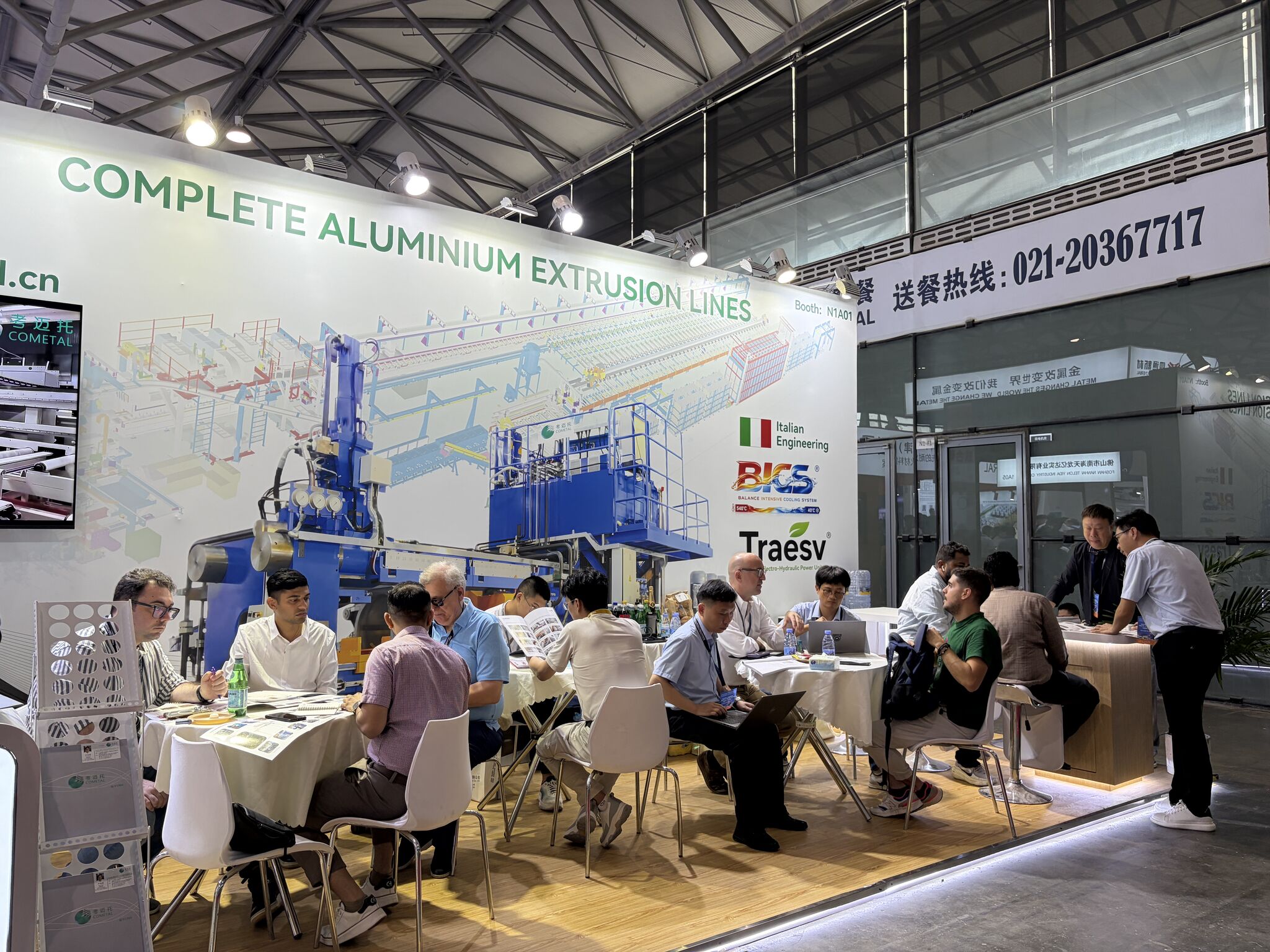
<p><span style="color: rgba(0, 0, 0, 0.9); font-family: -apple-system, system-ui, BlinkMacSystemFont, "Segoe UI", Roboto, "Helvetica Neue", "Fira Sans", Ubuntu, Oxygen, "Oxygen Sans", Cantarell, "Droid Sans", "Apple Color Emoji", "Segoe UI Emoji", "Segoe UI Emoji", "Segoe UI Symbol", "Lucida Grande", Helvetica, Arial, sans-serif; font-size: 14px; background-color: rgb(255, 255, 255);">The annual Aluminum China exhibition has come to a successful close. As we reflect on these past few days in Shanghai, we are filled with gratitude for the meaningful connections we’ve made.</span><span style="box-sizing: inherit; margin: 0px; padding: 0px; border-color: rgba(0, 0, 0, 0.9); border-style: none; border-width: 0px; border-image: none 100% / 1 / 0 stretch; font-size: 14px; vertical-align: baseline; background: none 0% 0% / auto repeat scroll padding-box border-box rgb(255, 255, 255); outline: rgba(0, 0, 0, 0.9) none 0px; font-family: -apple-system, system-ui, BlinkMacSystemFont, "Segoe UI", Roboto, "Helvetica Neue", "Fira Sans", Ubuntu, Oxygen, "Oxygen Sans", Cantarell, "Droid Sans", "Apple Color Emoji", "Segoe UI Emoji", "Segoe UI Emoji", "Segoe UI Symbol", "Lucida Grande", Helvetica, Arial, sans-serif; color: rgba(0, 0, 0, 0.9); line-height: inherit !important;"><br style="box-sizing: inherit; line-height: inherit !important;"/></span><span style="color: rgba(0, 0, 0, 0.9); font-family: -apple-system, system-ui, BlinkMacSystemFont, "Segoe UI", Roboto, "Helvetica Neue", "Fira Sans", Ubuntu, Oxygen, "Oxygen Sans", Cantarell, "Droid Sans", "Apple Color Emoji", "Segoe UI Emoji", "Segoe UI Emoji", "Segoe UI Symbol", "Lucida Grande", Helvetica, Arial, sans-serif; font-size: 14px; background-color: rgb(255, 255, 255);">Our booth became more than just a display; it turned into a hub for "annual reunions." As many of our long-term clients told us, "Meeting Cometal here in Shanghai has become a tradition." This sentiment is exactly what drives us forward. It’s more than just business; it’s a shared journey of innovation and growth in the aluminum extrusion industry.</span><span style="box-sizing: inherit; margin: 0px; padding: 0px; border-color: rgba(0, 0, 0, 0.9); border-style: none; border-width: 0px; border-image: none 100% / 1 / 0 stretch; font-size: 14px; vertical-align: baseline; background: none 0% 0% / auto repeat scroll padding-box border-box rgb(255, 255, 255); outline: rgba(0, 0, 0, 0.9) none 0px; font-family: -apple-system, system-ui, BlinkMacSystemFont, "Segoe UI", Roboto, "Helvetica Neue", "Fira Sans", Ubuntu, Oxygen, "Oxygen Sans", Cantarell, "Droid Sans", "Apple Color Emoji", "Segoe UI Emoji", "Segoe UI Emoji", "Segoe UI Symbol", "Lucida Grande", Helvetica, Arial, sans-serif; color: rgba(0, 0, 0, 0.9); line-height: inherit !important;"><br style="box-sizing: inherit; line-height: inherit !important;"/></span><span style="color: rgba(0, 0, 0, 0.9); font-family: -apple-system, system-ui, BlinkMacSystemFont, "Segoe UI", Roboto, "Helvetica Neue", "Fira Sans", Ubuntu, Oxygen, "Oxygen Sans", Cantarell, "Droid Sans", "Apple Color Emoji", "Segoe UI Emoji", "Segoe UI Emoji", "Segoe UI Symbol", "Lucida Grande", Helvetica, Arial, sans-serif; font-size: 14px; background-color: rgb(255, 255, 255);">From catching up with old friends to discussing new projects and technical challenges with potential partners, the energy was incredible. We were especially excited to hear about the new production requirements and expansion plans our clients are tackling.</span><span style="box-sizing: inherit; margin: 0px; padding: 0px; border-color: rgba(0, 0, 0, 0.9); border-style: none; border-width: 0px; border-image: none 100% / 1 / 0 stretch; font-size: 14px; vertical-align: baseline; background: none 0% 0% / auto repeat scroll padding-box border-box rgb(255, 255, 255); outline: rgba(0, 0, 0, 0.9) none 0px; font-family: -apple-system, system-ui, BlinkMacSystemFont, "Segoe UI", Roboto, "Helvetica Neue", "Fira Sans", Ubuntu, Oxygen, "Oxygen Sans", Cantarell, "Droid Sans", "Apple Color Emoji", "Segoe UI Emoji", "Segoe UI Emoji", "Segoe UI Symbol", "Lucida Grande", Helvetica, Arial, sans-serif; color: rgba(0, 0, 0, 0.9); line-height: inherit !important;"><br style="box-sizing: inherit; line-height: inherit !important;"/></span><span style="color: rgba(0, 0, 0, 0.9); font-family: -apple-system, system-ui, BlinkMacSystemFont, "Segoe UI", Roboto, "Helvetica Neue", "Fira Sans", Ubuntu, Oxygen, "Oxygen Sans", Cantarell, "Droid Sans", "Apple Color Emoji", "Segoe UI Emoji", "Segoe UI Emoji", "Segoe UI Symbol", "Lucida Grande", Helvetica, Arial, sans-serif; font-size: 14px; background-color: rgb(255, 255, 255);">At Cometal, we believe our success is measured by yours. Whether you are a partner of many years or a new contact we met this week, thank you for trusting us with your extrusion needs.</span><span style="box-sizing: inherit; margin: 0px; padding: 0px; border-color: rgba(0, 0, 0, 0.9); border-style: none; border-width: 0px; border-image: none 100% / 1 / 0 stretch; font-size: 14px; vertical-align: baseline; background: none 0% 0% / auto repeat scroll padding-box border-box rgb(255, 255, 255); outline: rgba(0, 0, 0, 0.9) none 0px; font-family: -apple-system, system-ui, BlinkMacSystemFont, "Segoe UI", Roboto, "Helvetica Neue", "Fira Sans", Ubuntu, Oxygen, "Oxygen Sans", Cantarell, "Droid Sans", "Apple Color Emoji", "Segoe UI Emoji", "Segoe UI Emoji", "Segoe UI Symbol", "Lucida Grande", Helvetica, Arial, sans-serif; color: rgba(0, 0, 0, 0.9); line-height: inherit !important;"><br style="box-sizing: inherit; line-height: inherit !important;"/></span><span style="color: rgba(0, 0, 0, 0.9); font-family: -apple-system, system-ui, BlinkMacSystemFont, "Segoe UI", Roboto, "Helvetica Neue", "Fira Sans", Ubuntu, Oxygen, "Oxygen Sans", Cantarell, "Droid Sans", "Apple Color Emoji", "Segoe UI Emoji", "Segoe UI Emoji", "Segoe UI Symbol", "Lucida Grande", Helvetica, Arial, sans-serif; font-size: 14px; background-color: rgb(255, 255, 255);">Our team is already back in Foshan, processing all the inquiries and feedback from the show. We will be reaching out soon to turn these conversations into actionable solutions for your production lines.</span><span style="box-sizing: inherit; margin: 0px; padding: 0px; border-color: rgba(0, 0, 0, 0.9); border-style: none; border-width: 0px; border-image: none 100% / 1 / 0 stretch; font-size: 14px; vertical-align: baseline; background: none 0% 0% / auto repeat scroll padding-box border-box rgb(255, 255, 255); outline: rgba(0, 0, 0, 0.9) none 0px; font-family: -apple-system, system-ui, BlinkMacSystemFont, "Segoe UI", Roboto, "Helvetica Neue", "Fira Sans", Ubuntu, Oxygen, "Oxygen Sans", Cantarell, "Droid Sans", "Apple Color Emoji", "Segoe UI Emoji", "Segoe UI Emoji", "Segoe UI Symbol", "Lucida Grande", Helvetica, Arial, sans-serif; color: rgba(0, 0, 0, 0.9); line-height: inherit !important;"><br style="box-sizing: inherit; line-height: inherit !important;"/></span><span style="color: rgba(0, 0, 0, 0.9); font-family: -apple-system, system-ui, BlinkMacSystemFont, "Segoe UI", Roboto, "Helvetica Neue", "Fira Sans", Ubuntu, Oxygen, "Oxygen Sans", Cantarell, "Droid Sans", "Apple Color Emoji", "Segoe UI Emoji", "Segoe UI Emoji", "Segoe UI Symbol", "Lucida Grande", Helvetica, Arial, sans-serif; font-size: 14px; background-color: rgb(255, 255, 255);">See you next year, or better yet—see you at your factory!</span></p><p><a class="GVhQpAUZPmbNntedqtXaIqgidncVcYxvCOHpbM " tabindex="0" href="https://www.linkedin.com/search/results/all/?keywords=%23cometal&origin=HASH_TAG_FROM_FEED" data-test-app-aware-link="" style="box-sizing: inherit; margin: 0px; padding: 0px; font-size: 14px; vertical-align: baseline; background: none 0% 0% / auto repeat scroll padding-box border-box rgb(255, 255, 255); text-decoration: rgb(10, 102, 194); font-weight: 600; border-color: rgb(10, 102, 194); border-style: none; border-width: 0px; border-image: none 100% / 1 / 0 stretch; color: rgb(10, 102, 194); font-family: -apple-system, system-ui, BlinkMacSystemFont, "Segoe UI", Roboto, "Helvetica Neue", "Fira Sans", Ubuntu, Oxygen, "Oxygen Sans", Cantarell, "Droid Sans", "Apple Color Emoji", "Segoe UI Emoji", "Segoe UI Emoji", "Segoe UI Symbol", "Lucida Grande", Helvetica, Arial, sans-serif; touch-action: manipulation; position: relative; word-break: normal; overflow-wrap: normal; white-space: normal; display: inline-block; line-height: inherit !important;"><span class="visually-hidden" style="box-sizing: inherit; vertical-align: baseline; background: none 0% 0% / auto repeat scroll padding-box border-box rgba(0, 0, 0, 0); outline: rgb(10, 102, 194) none 0px; overflow: hidden; clip: rect(1px, 1px, 1px, 1px); margin: -1px !important; padding: 0px !important; border: 0px !important; width: 1px !important; height: 1px !important; display: block !important; position: absolute !important; line-height: inherit !important;">hashtag</span><span style="box-sizing: inherit; margin: 0px; padding: 0px; border-color: rgb(10, 102, 194); border-style: none; border-width: 0px; border-image: none 100% / 1 / 0 stretch; vertical-align: baseline; background: none 0% 0% / auto repeat scroll padding-box border-box rgba(0, 0, 0, 0); outline: rgb(10, 102, 194) none 0px; line-height: inherit !important;"><span aria-hidden="true" style="box-sizing: inherit; margin: 0px; padding: 0px; border-color: rgb(10, 102, 194); border-style: none; border-width: 0px; border-image: none 100% / 1 / 0 stretch; vertical-align: baseline; background: none 0% 0% / auto repeat scroll padding-box border-box rgba(0, 0, 0, 0); outline: rgb(10, 102, 194) none 0px; line-height: inherit !important;">#</span>Cometal</span></a><span class="white-space-pre" style="box-sizing: inherit; margin: 0px; padding: 0px; border-color: rgba(0, 0, 0, 0.9); border-style: none; border-width: 0px; border-image: none 100% / 1 / 0 stretch; font-size: 14px; vertical-align: baseline; background: none 0% 0% / auto repeat scroll padding-box border-box rgb(255, 255, 255); outline: rgba(0, 0, 0, 0.9) none 0px; font-family: -apple-system, system-ui, BlinkMacSystemFont, "Segoe UI", Roboto, "Helvetica Neue", "Fira Sans", Ubuntu, Oxygen, "Oxygen Sans", Cantarell, "Droid Sans", "Apple Color Emoji", "Segoe UI Emoji", "Segoe UI Emoji", "Segoe UI Symbol", "Lucida Grande", Helvetica, Arial, sans-serif; color: rgba(0, 0, 0, 0.9); white-space: pre !important; line-height: inherit !important;"> </span><a class="GVhQpAUZPmbNntedqtXaIqgidncVcYxvCOHpbM " tabindex="0" href="https://www.linkedin.com/search/results/all/?keywords=%23aluminumextrusion&origin=HASH_TAG_FROM_FEED" data-test-app-aware-link="" style="box-sizing: inherit; margin: 0px; padding: 0px; font-size: 14px; vertical-align: baseline; background: none 0% 0% / auto repeat scroll padding-box border-box rgb(255, 255, 255); text-decoration: rgb(10, 102, 194); font-weight: 600; border-color: rgb(10, 102, 194); border-style: none; border-width: 0px; border-image: none 100% / 1 / 0 stretch; color: rgb(10, 102, 194); font-family: -apple-system, system-ui, BlinkMacSystemFont, "Segoe UI", Roboto, "Helvetica Neue", "Fira Sans", Ubuntu, Oxygen, "Oxygen Sans", Cantarell, "Droid Sans", "Apple Color Emoji", "Segoe UI Emoji", "Segoe UI Emoji", "Segoe UI Symbol", "Lucida Grande", Helvetica, Arial, sans-serif; touch-action: manipulation; position: relative; word-break: normal; overflow-wrap: normal; white-space: normal; display: inline-block; line-height: inherit !important;"><span class="visually-hidden" style="box-sizing: inherit; vertical-align: baseline; background: none 0% 0% / auto repeat scroll padding-box border-box rgba(0, 0, 0, 0); outline: rgb(10, 102, 194) none 0px; overflow: hidden; clip: rect(1px, 1px, 1px, 1px); margin: -1px !important; padding: 0px !important; border: 0px !important; width: 1px !important; height: 1px !important; display: block !important; position: absolute !important; line-height: inherit !important;">hashtag</span><span style="box-sizing: inherit; margin: 0px; padding: 0px; border-color: rgb(10, 102, 194); border-style: none; border-width: 0px; border-image: none 100% / 1 / 0 stretch; vertical-align: baseline; background: none 0% 0% / auto repeat scroll padding-box border-box rgba(0, 0, 0, 0); outline: rgb(10, 102, 194) none 0px; line-height: inherit !important;"><span aria-hidden="true" style="box-sizing: inherit; margin: 0px; padding: 0px; border-color: rgb(10, 102, 194); border-style: none; border-width: 0px; border-image: none 100% / 1 / 0 stretch; vertical-align: baseline; background: none 0% 0% / auto repeat scroll padding-box border-box rgba(0, 0, 0, 0); outline: rgb(10, 102, 194) none 0px; line-height: inherit !important;">#</span>AluminumExtrusion</span></a><span class="white-space-pre" style="box-sizing: inherit; margin: 0px; padding: 0px; border-color: rgba(0, 0, 0, 0.9); border-style: none; border-width: 0px; border-image: none 100% / 1 / 0 stretch; font-size: 14px; vertical-align: baseline; background: none 0% 0% / auto repeat scroll padding-box border-box rgb(255, 255, 255); outline: rgba(0, 0, 0, 0.9) none 0px; font-family: -apple-system, system-ui, BlinkMacSystemFont, "Segoe UI", Roboto, "Helvetica Neue", "Fira Sans", Ubuntu, Oxygen, "Oxygen Sans", Cantarell, "Droid Sans", "Apple Color Emoji", "Segoe UI Emoji", "Segoe UI Emoji", "Segoe UI Symbol", "Lucida Grande", Helvetica, Arial, sans-serif; color: rgba(0, 0, 0, 0.9); white-space: pre !important; line-height: inherit !important;"> </span><a class="GVhQpAUZPmbNntedqtXaIqgidncVcYxvCOHpbM " tabindex="0" href="https://www.linkedin.com/search/results/all/?keywords=%23aluminumchina2026&origin=HASH_TAG_FROM_FEED" data-test-app-aware-link="" style="box-sizing: inherit; margin: 0px; padding: 0px; font-size: 14px; vertical-align: baseline; background: none 0% 0% / auto repeat scroll padding-box border-box rgb(255, 255, 255); text-decoration: rgb(10, 102, 194); font-weight: 600; border-color: rgb(10, 102, 194); border-style: none; border-width: 0px; border-image: none 100% / 1 / 0 stretch; color: rgb(10, 102, 194); font-family: -apple-system, system-ui, BlinkMacSystemFont, "Segoe UI", Roboto, "Helvetica Neue", "Fira Sans", Ubuntu, Oxygen, "Oxygen Sans", Cantarell, "Droid Sans", "Apple Color Emoji", "Segoe UI Emoji", "Segoe UI Emoji", "Segoe UI Symbol", "Lucida Grande", Helvetica, Arial, sans-serif; touch-action: manipulation; position: relative; word-break: normal; overflow-wrap: normal; white-space: normal; display: inline-block; line-height: inherit !important;"><span class="visually-hidden" style="box-sizing: inherit; vertical-align: baseline; background: none 0% 0% / auto repeat scroll padding-box border-box rgba(0, 0, 0, 0); outline: rgb(10, 102, 194) none 0px; overflow: hidden; clip: rect(1px, 1px, 1px, 1px); margin: -1px !important; padding: 0px !important; border: 0px !important; width: 1px !important; height: 1px !important; display: block !important; position: absolute !important; line-height: inherit !important;">hashtag</span><span style="box-sizing: inherit; margin: 0px; padding: 0px; border-color: rgb(10, 102, 194); border-style: none; border-width: 0px; border-image: none 100% / 1 / 0 stretch; vertical-align: baseline; background: none 0% 0% / auto repeat scroll padding-box border-box rgba(0, 0, 0, 0); outline: rgb(10, 102, 194) none 0px; line-height: inherit !important;"><span aria-hidden="true" style="box-sizing: inherit; margin: 0px; padding: 0px; border-color: rgb(10, 102, 194); border-style: none; border-width: 0px; border-image: none 100% / 1 / 0 stretch; vertical-align: baseline; background: none 0% 0% / auto repeat scroll padding-box border-box rgba(0, 0, 0, 0); outline: rgb(10, 102, 194) none 0px; line-height: inherit !important;">#</span>AluminumChina2026</span></a><span class="white-space-pre" style="box-sizing: inherit; margin: 0px; padding: 0px; border-color: rgba(0, 0, 0, 0.9); border-style: none; border-width: 0px; border-image: none 100% / 1 / 0 stretch; font-size: 14px; vertical-align: baseline; background: none 0% 0% / auto repeat scroll padding-box border-box rgb(255, 255, 255); outline: rgba(0, 0, 0, 0.9) none 0px; font-family: -apple-system, system-ui, BlinkMacSystemFont, "Segoe UI", Roboto, "Helvetica Neue", "Fira Sans", Ubuntu, Oxygen, "Oxygen Sans", Cantarell, "Droid Sans", "Apple Color Emoji", "Segoe UI Emoji", "Segoe UI Emoji", "Segoe UI Symbol", "Lucida Grande", Helvetica, Arial, sans-serif; color: rgba(0, 0, 0, 0.9); white-space: pre !important; line-height: inherit !important;"> </span><a class="GVhQpAUZPmbNntedqtXaIqgidncVcYxvCOHpbM " tabindex="0" href="https://www.linkedin.com/search/results/all/?keywords=%23industryinnovation&origin=HASH_TAG_FROM_FEED" data-test-app-aware-link="" style="box-sizing: inherit; margin: 0px; padding: 0px; font-size: 14px; vertical-align: baseline; background: none 0% 0% / auto repeat scroll padding-box border-box rgb(255, 255, 255); text-decoration: rgb(10, 102, 194); font-weight: 600; border-color: rgb(10, 102, 194); border-style: none; border-width: 0px; border-image: none 100% / 1 / 0 stretch; color: rgb(10, 102, 194); font-family: -apple-system, system-ui, BlinkMacSystemFont, "Segoe UI", Roboto, "Helvetica Neue", "Fira Sans", Ubuntu, Oxygen, "Oxygen Sans", Cantarell, "Droid Sans", "Apple Color Emoji", "Segoe UI Emoji", "Segoe UI Emoji", "Segoe UI Symbol", "Lucida Grande", Helvetica, Arial, sans-serif; touch-action: manipulation; position: relative; word-break: normal; overflow-wrap: normal; white-space: normal; display: inline-block; line-height: inherit !important;"><span class="visually-hidden" style="box-sizing: inherit; vertical-align: baseline; background: none 0% 0% / auto repeat scroll padding-box border-box rgba(0, 0, 0, 0); outline: rgb(10, 102, 194) none 0px; overflow: hidden; clip: rect(1px, 1px, 1px, 1px); margin: -1px !important; padding: 0px !important; border: 0px !important; width: 1px !important; height: 1px !important; display: block !important; position: absolute !important; line-height: inherit !important;">hashtag</span><span style="box-sizing: inherit; margin: 0px; padding: 0px; border-color: rgb(10, 102, 194); border-style: none; border-width: 0px; border-image: none 100% / 1 / 0 stretch; vertical-align: baseline; background: none 0% 0% / auto repeat scroll padding-box border-box rgba(0, 0, 0, 0); outline: rgb(10, 102, 194) none 0px; line-height: inherit !important;"><span aria-hidden="true" style="box-sizing: inherit; margin: 0px; padding: 0px; border-color: rgb(10, 102, 194); border-style: none; border-width: 0px; border-image: none 100% / 1 / 0 stretch; vertical-align: baseline; background: none 0% 0% / auto repeat scroll padding-box border-box rgba(0, 0, 0, 0); outline: rgb(10, 102, 194) none 0px; line-height: inherit !important;">#</span>IndustryInnovation</span></a><span class="white-space-pre" style="box-sizing: inherit; margin: 0px; padding: 0px; border-color: rgba(0, 0, 0, 0.9); border-style: none; border-width: 0px; border-image: none 100% / 1 / 0 stretch; font-size: 14px; vertical-align: baseline; background: none 0% 0% / auto repeat scroll padding-box border-box rgb(255, 255, 255); outline: rgba(0, 0, 0, 0.9) none 0px; font-family: -apple-system, system-ui, BlinkMacSystemFont, "Segoe UI", Roboto, "Helvetica Neue", "Fira Sans", Ubuntu, Oxygen, "Oxygen Sans", Cantarell, "Droid Sans", "Apple Color Emoji", "Segoe UI Emoji", "Segoe UI Emoji", "Segoe UI Symbol", "Lucida Grande", Helvetica, Arial, sans-serif; color: rgba(0, 0, 0, 0.9); white-space: pre !important; line-height: inherit !important;"> </span><a class="GVhQpAUZPmbNntedqtXaIqgidncVcYxvCOHpbM " tabindex="0" href="https://www.linkedin.com/search/results/all/?keywords=%23extrusiontechnology&origin=HASH_TAG_FROM_FEED" data-test-app-aware-link="" style="box-sizing: inherit; margin: 0px; padding: 0px; font-size: 14px; vertical-align: baseline; background: none 0% 0% / auto repeat scroll padding-box border-box rgb(255, 255, 255); text-decoration: rgb(10, 102, 194); font-weight: 600; border-color: rgb(10, 102, 194); border-style: none; border-width: 0px; border-image: none 100% / 1 / 0 stretch; color: rgb(10, 102, 194); font-family: -apple-system, system-ui, BlinkMacSystemFont, "Segoe UI", Roboto, "Helvetica Neue", "Fira Sans", Ubuntu, Oxygen, "Oxygen Sans", Cantarell, "Droid Sans", "Apple Color Emoji", "Segoe UI Emoji", "Segoe UI Emoji", "Segoe UI Symbol", "Lucida Grande", Helvetica, Arial, sans-serif; touch-action: manipulation; position: relative; word-break: normal; overflow-wrap: normal; white-space: normal; display: inline-block; line-height: inherit !important;"><span class="visually-hidden" style="box-sizing: inherit; vertical-align: baseline; background: none 0% 0% / auto repeat scroll padding-box border-box rgba(0, 0, 0, 0); outline: rgb(10, 102, 194) none 0px; overflow: hidden; clip: rect(1px, 1px, 1px, 1px); margin: -1px !important; padding: 0px !important; border: 0px !important; width: 1px !important; height: 1px !important; display: block !important; position: absolute !important; line-height: inherit !important;">hashtag</span><span style="box-sizing: inherit; margin: 0px; padding: 0px; border-color: rgb(10, 102, 194); border-style: none; border-width: 0px; border-image: none 100% / 1 / 0 stretch; vertical-align: baseline; background: none 0% 0% / auto repeat scroll padding-box border-box rgba(0, 0, 0, 0); outline: rgb(10, 102, 194) none 0px; line-height: inherit !important;"><span aria-hidden="true" style="box-sizing: inherit; margin: 0px; padding: 0px; border-color: rgb(10, 102, 194); border-style: none; border-width: 0px; border-image: none 100% / 1 / 0 stretch; vertical-align: baseline; background: none 0% 0% / auto repeat scroll padding-box border-box rgba(0, 0, 0, 0); outline: rgb(10, 102, 194) none 0px; line-height: inherit !important;">#</span>ExtrusionTechnology</span></a><span class="white-space-pre" style="box-sizing: inherit; margin: 0px; padding: 0px; border-color: rgba(0, 0, 0, 0.9); border-style: none; border-width: 0px; border-image: none 100% / 1 / 0 stretch; font-size: 14px; vertical-align: baseline; background: none 0% 0% / auto repeat scroll padding-box border-box rgb(255, 255, 255); outline: rgba(0, 0, 0, 0.9) none 0px; font-family: -apple-system, system-ui, BlinkMacSystemFont, "Segoe UI", Roboto, "Helvetica Neue", "Fira Sans", Ubuntu, Oxygen, "Oxygen Sans", Cantarell, "Droid Sans", "Apple Color Emoji", "Segoe UI Emoji", "Segoe UI Emoji", "Segoe UI Symbol", "Lucida Grande", Helvetica, Arial, sans-serif; color: rgba(0, 0, 0, 0.9); white-space: pre !important; line-height: inherit !important;"> </span><a class="GVhQpAUZPmbNntedqtXaIqgidncVcYxvCOHpbM " tabindex="0" href="https://www.linkedin.com/search/results/all/?keywords=%23manufacturingexcellence&origin=HASH_TAG_FROM_FEED" data-test-app-aware-link="" style="box-sizing: inherit; margin: 0px; padding: 0px; font-size: 14px; vertical-align: baseline; background: none 0% 0% / auto repeat scroll padding-box border-box rgb(255, 255, 255); text-decoration: rgb(10, 102, 194); font-weight: 600; border-color: rgb(10, 102, 194); border-style: none; border-width: 0px; border-image: none 100% / 1 / 0 stretch; color: rgb(10, 102, 194); font-family: -apple-system, system-ui, BlinkMacSystemFont, "Segoe UI", Roboto, "Helvetica Neue", "Fira Sans", Ubuntu, Oxygen, "Oxygen Sans", Cantarell, "Droid Sans", "Apple Color Emoji", "Segoe UI Emoji", "Segoe UI Emoji", "Segoe UI Symbol", "Lucida Grande", Helvetica, Arial, sans-serif; touch-action: manipulation; position: relative; word-break: normal; overflow-wrap: normal; white-space: normal; display: inline-block; line-height: inherit !important;"><span class="visually-hidden" style="box-sizing: inherit; vertical-align: baseline; background: none 0% 0% / auto repeat scroll padding-box border-box rgba(0, 0, 0, 0); outline: rgb(10, 102, 194) none 0px; overflow: hidden; clip: rect(1px, 1px, 1px, 1px); margin: -1px !important; padding: 0px !important; border: 0px !important; width: 1px !important; height: 1px !important; display: block !important; position: absolute !important; line-height: inherit !important;">hashtag</span><span style="box-sizing: inherit; margin: 0px; padding: 0px; border-color: rgb(10, 102, 194); border-style: none; border-width: 0px; border-image: none 100% / 1 / 0 stretch; vertical-align: baseline; background: none 0% 0% / auto repeat scroll padding-box border-box rgba(0, 0, 0, 0); outline: rgb(10, 102, 194) none 0px; line-height: inherit !important;"><span aria-hidden="true" style="box-sizing: inherit; margin: 0px; padding: 0px; border-color: rgb(10, 102, 194); border-style: none; border-width: 0px; border-image: none 100% / 1 / 0 stretch; vertical-align: baseline; background: none 0% 0% / auto repeat scroll padding-box border-box rgba(0, 0, 0, 0); outline: rgb(10, 102, 194) none 0px; line-height: inherit !important;">#</span>ManufacturingExcellence</span></a><span class="white-space-pre" style="box-sizing: inherit; margin: 0px; padding: 0px; border-color: rgba(0, 0, 0, 0.9); border-style: none; border-width: 0px; border-image: none 100% / 1 / 0 stretch; font-size: 14px; vertical-align: baseline; background: none 0% 0% / auto repeat scroll padding-box border-box rgb(255, 255, 255); outline: rgba(0, 0, 0, 0.9) none 0px; font-family: -apple-system, system-ui, BlinkMacSystemFont, "Segoe UI", Roboto, "Helvetica Neue", "Fira Sans", Ubuntu, Oxygen, "Oxygen Sans", Cantarell, "Droid Sans", "Apple Color Emoji", "Segoe UI Emoji", "Segoe UI Emoji", "Segoe UI Symbol", "Lucida Grande", Helvetica, Arial, sans-serif; color: rgba(0, 0, 0, 0.9); white-space: pre !important; line-height: inherit !important;"> </span><a class="GVhQpAUZPmbNntedqtXaIqgidncVcYxvCOHpbM " tabindex="0" href="https://www.linkedin.com/search/results/all/?keywords=%23globalpartnership&origin=HASH_TAG_FROM_FEED" data-test-app-aware-link="" style="box-sizing: inherit; margin: 0px; padding: 0px; font-size: 14px; vertical-align: baseline; background: none 0% 0% / auto repeat scroll padding-box border-box rgb(255, 255, 255); text-decoration: rgb(10, 102, 194); font-weight: 600; border-color: rgb(10, 102, 194); border-style: none; border-width: 0px; border-image: none 100% / 1 / 0 stretch; color: rgb(10, 102, 194); font-family: -apple-system, system-ui, BlinkMacSystemFont, "Segoe UI", Roboto, "Helvetica Neue", "Fira Sans", Ubuntu, Oxygen, "Oxygen Sans", Cantarell, "Droid Sans", "Apple Color Emoji", "Segoe UI Emoji", "Segoe UI Emoji", "Segoe UI Symbol", "Lucida Grande", Helvetica, Arial, sans-serif; touch-action: manipulation; position: relative; word-break: normal; overflow-wrap: normal; white-space: normal; display: inline-block; line-height: inherit !important;"><span class="visually-hidden" style="box-sizing: inherit; vertical-align: baseline; background: none 0% 0% / auto repeat scroll padding-box border-box rgba(0, 0, 0, 0); outline: rgb(10, 102, 194) none 0px; overflow: hidden; clip: rect(1px, 1px, 1px, 1px); margin: -1px !important; padding: 0px !important; border: 0px !important; width: 1px !important; height: 1px !important; display: block !important; position: absolute !important; line-height: inherit !important;">hashtag</span><span style="box-sizing: inherit; margin: 0px; padding: 0px; border-color: rgb(10, 102, 194); border-style: none; border-width: 0px; border-image: none 100% / 1 / 0 stretch; vertical-align: baseline; background: none 0% 0% / auto repeat scroll padding-box border-box rgba(0, 0, 0, 0); outline: rgb(10, 102, 194) none 0px; line-height: inherit !important;"><span aria-hidden="true" style="box-sizing: inherit; margin: 0px; padding: 0px; border-color: rgb(10, 102, 194); border-style: none; border-width: 0px; border-image: none 100% / 1 / 0 stretch; vertical-align: baseline; background: none 0% 0% / auto repeat scroll padding-box border-box rgba(0, 0, 0, 0); outline: rgb(10, 102, 194) none 0px; line-height: inherit !important;">#</span>GlobalPartnership</span></a></p>
Company dynamics
2026-10-09
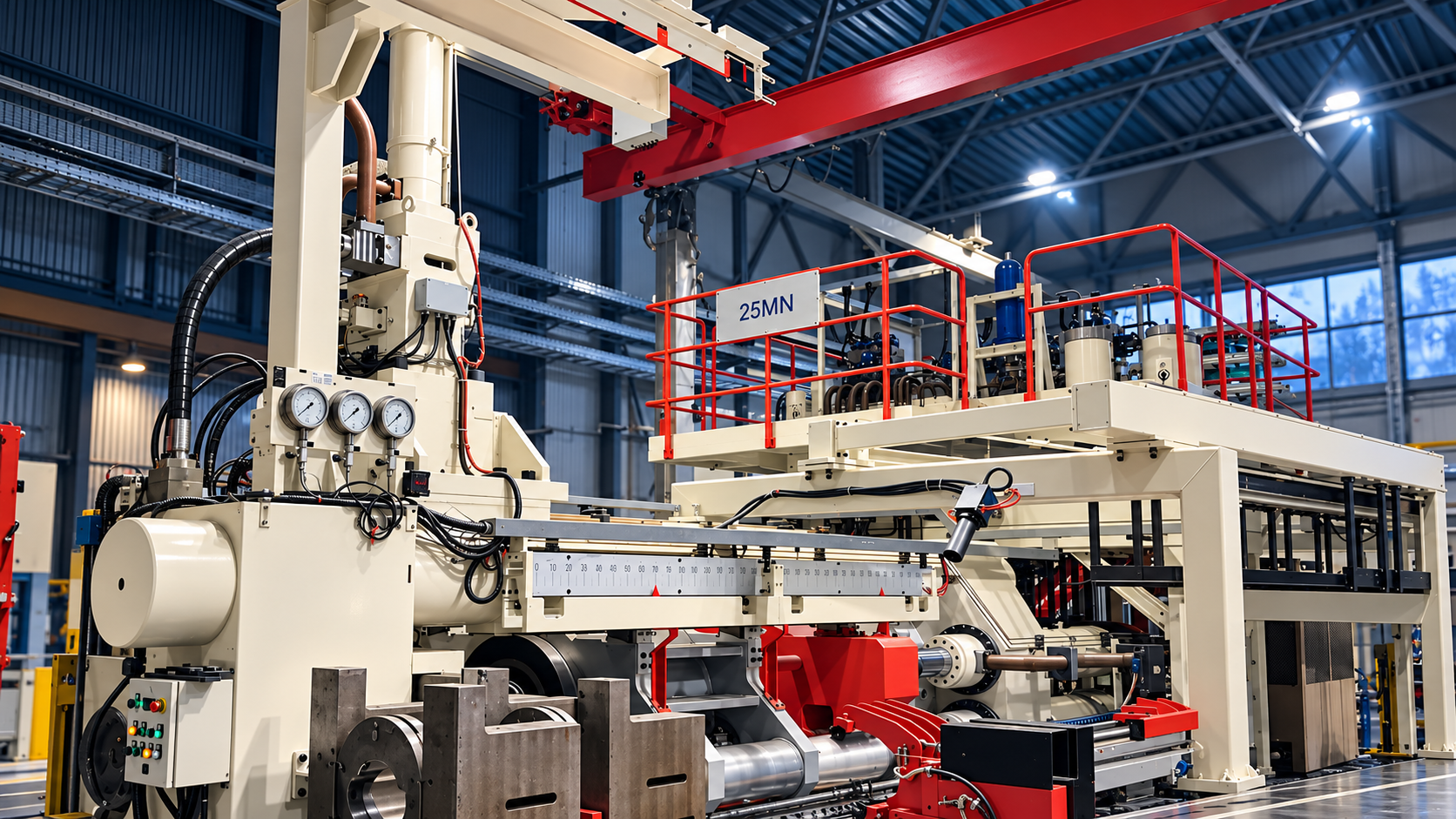
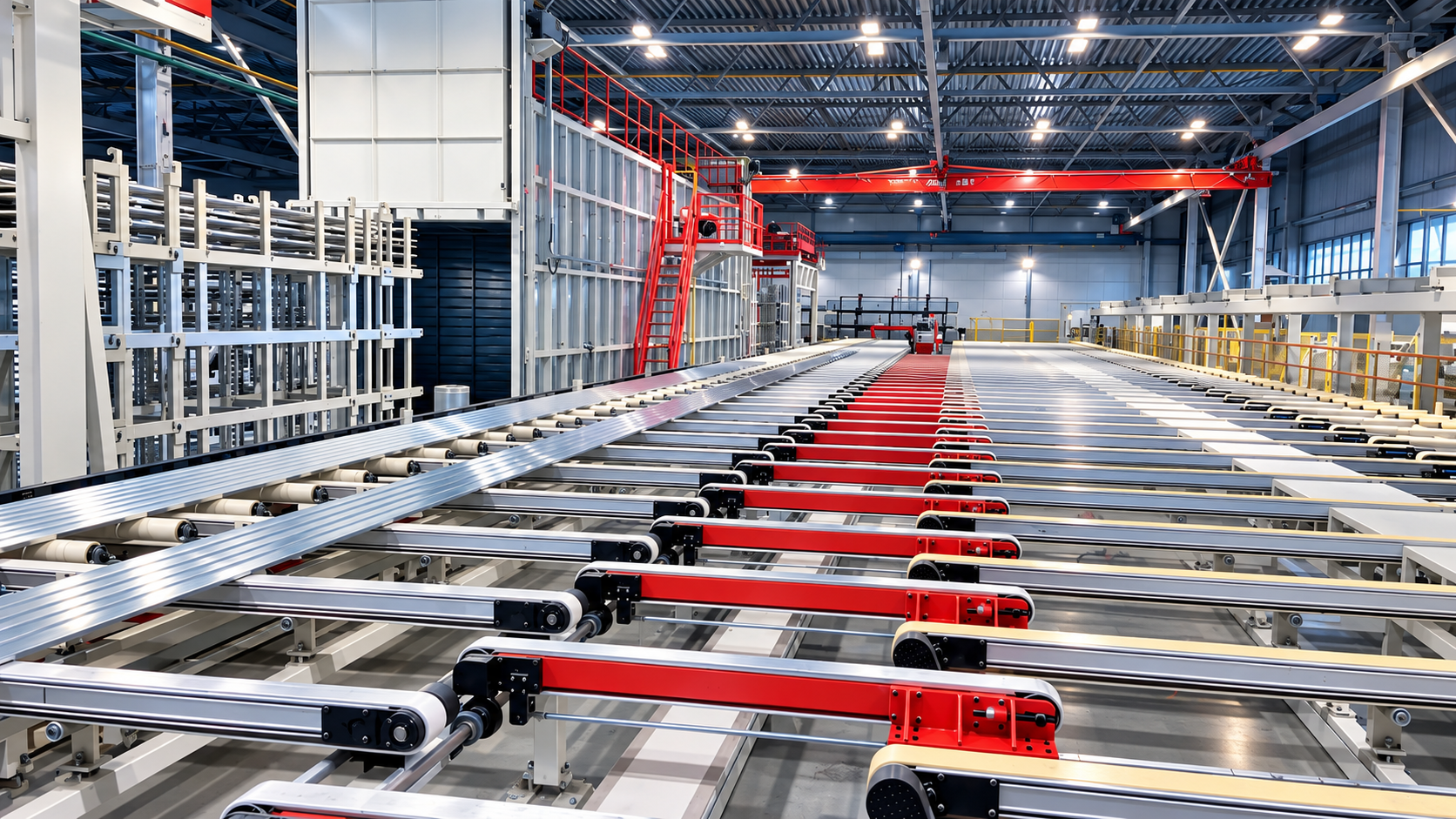
What a Fully Automated Aluminum Extrusion Line Includes from Billet to Stacking
<h2><strong><span style="font-family: Calibri;color: rgb(11, 70, 84);font-size: 29px">What Defines a Fully Automated Extrusion Line</span></strong></h2><p><span style="font-family: Calibri;font-size: 14px">A fully automated aluminum extrusion line is a controlled production system that moves material, energy, process data and quality information from billet loading to finished profile stacking with minimal routine operator intervention. Automation does not mean that every task disappears. It means that normal production sequences, interlocks, transfers, process adjustments and fault responses are coordinated by a defined control architecture.</span></p><p><span style="font-family: Calibri;font-size: 14px">One example is the Extrusion Line Solutions system from COMETAL (Foshan) Extrusion Technology Co., Ltd., a complete aluminum extrusion line category that covers billet handling, heating, press equipment, cooling, stretching, cutting, stacking and automated logistics. The platform is presented with capacities from 11 MN to 125 MN, which makes capacity and scope planning part of the same evaluation.</span></p><h3><strong><span style="font-family: Calibri;color: rgb(20, 104, 92);font-size: 17px">Automation Boundary and Manual Exceptions</span></strong></h3><p><span style="font-family: Calibri;font-size: 14px">The automation boundary should be defined by operating states rather than by the number of machines. A plant may automate billet loading, heating, pressing, cooling and stacking while retaining manual die changes, quality sampling, maintenance isolation or non-standard profile handling. Buyers should therefore ask which actions occur automatically, which require confirmation and which are manual by design.</span></p><p><span style="font-family: Calibri;font-size: 14px">A clear boundary prevents two common errors. The first is assuming that a highly automated line removes all labor. The second is buying advanced equipment without the handling, data or maintenance systems needed to support it. Automation is valuable when it stabilizes repetitive actions, reduces exposure to unsafe tasks and makes process variation visible.</span></p><h4><strong><span style="font-family: Calibri;color: rgb(52, 73, 94);font-size: 15px">Data Flow, Buffering and Emergency Modes</span></strong></h4><p><span style="font-family: Calibri;font-size: 14px">Material flow depends on information flow. The line control system should know the identity, temperature, position and status of each billet or profile batch. Buffers between heating and pressing, or between cooling and stacking, protect throughput when one stage pauses. Emergency modes should define safe stop positions, controlled discharge, manual recovery and restart conditions.</span></p><p><span style="font-family: Calibri;font-size: 14px">Without integrated state data, each machine becomes an island. Operators then coordinate the line through radios, visual checks and experience. That approach can work at low complexity, but it becomes fragile as profile mix, capacity and automation increase.</span></p><h3><strong><span style="font-family: Calibri;color: rgb(20, 104, 92);font-size: 17px">Core Equipment and Process Responsibilities</span></strong></h3><p><span style="font-family: Calibri;font-size: 14px">The equipment map can be grouped into material preparation, extrusion, thermal treatment, finishing, logistics and control. Each group has a process responsibility and an interface responsibility. The process responsibility concerns temperature, force, speed or geometry. The interface responsibility concerns handover conditions such as position, temperature, identification, cycle readiness and fault status.</span></p><p><span style="font-family: Calibri;font-size: 14px">A supplier may provide a strong individual machine while leaving the interfaces to the buyer or another vendor. This creates gaps in warranty, commissioning and performance responsibility. A complete line proposal should identify every interface and state who supplies it, connects it, tests it and guarantees the combined result.</span></p><h4><strong><span style="font-family: Calibri;color: rgb(52, 73, 94);font-size: 15px">Mechanical, Hydraulic, Electrical and Control Interfaces</span></strong></h4><p><span style="font-family: Calibri;font-size: 14px">Mechanical alignment supports smooth transfers and protects profiles from damage. Hydraulic and pneumatic systems provide force and actuation. Electrical systems supply stable power and protection. Control systems coordinate recipes, interlocks, alarms and data records. The most expensive errors often occur at these boundaries rather than inside a single machine.</span></p><h2><strong><span style="font-family: Calibri;color: rgb(11, 70, 84);font-size: 20px"> </span></strong></h2><h2><strong><span style="font-family: Calibri;color: rgb(11, 70, 84);font-size: 29px">Equipment Map from Billet Loading to Finished Stacking</span></strong></h2><p><span style="font-family: Calibri;font-size: 14px">The equipment map below treats the extrusion line as a twelve-stage system: billet loading, billet heating, hot shearing, extrusion, intensive cooling, pulling, cooling-bed transport, stretching, finishing sawing, length gauging, stacking and logistics. Aging may follow stacking as a separate thermal process. The exact arrangement depends on press size, profile family, plant layout and automation targets.</span></p><table cellspacing="0"><tbody><tr class="firstRow"><td width="156" valign="top" style="padding: 0px 7px; border-width: 1px; border-style: solid; border-color: windowtext; background: rgb(217, 226, 243);"><p><strong><span style="font-family: Calibri;font-size: 13px">Process stage</span></strong></p></td><td width="156" valign="top" style="padding: 0px 7px; border-width: 1px; border-style: solid; border-color: windowtext; background: rgb(217, 226, 243);"><p><strong><span style="font-family: Calibri;font-size: 13px">Primary equipment</span></strong></p></td><td width="156" valign="top" style="padding: 0px 7px; border-width: 1px; border-style: solid; border-color: windowtext; background: rgb(217, 226, 243);"><p><strong><span style="font-family: Calibri;font-size: 13px">Critical interface</span></strong></p></td><td width="156" valign="top" style="padding: 0px 7px; border-width: 1px; border-style: solid; border-color: windowtext; background: rgb(217, 226, 243);"><p><strong><span style="font-family: Calibri;font-size: 13px">Required evidence</span></strong></p></td></tr><tr><td width="156" valign="top" style="padding: 0px 7px; border-width: medium 1px 1px; border-style: none solid solid; border-color: currentcolor windowtext windowtext;"><p><span style="font-family: Calibri;font-size: 13px">Billet loading</span></p></td><td width="156" valign="top" style="padding: 0px 7px; border-width: medium 1px 1px; border-style: none solid solid; border-color: currentcolor windowtext windowtext;"><p><span style="font-family: Calibri;font-size: 13px">Log saw, billet conveyor, loader</span></p></td><td width="156" valign="top" style="padding: 0px 7px; border-width: medium 1px 1px; border-style: none solid solid; border-color: currentcolor windowtext windowtext;"><p><span style="font-family: Calibri;font-size: 13px">Billet identity, length, weight and furnace readiness</span></p></td><td width="156" valign="top" style="padding: 0px 7px; border-width: medium 1px 1px; border-style: none solid solid; border-color: currentcolor windowtext windowtext;"><p><span style="font-family: Calibri;font-size: 13px">Layout, cycle study, sensor list and blocked-flow logic</span></p></td></tr><tr><td width="156" valign="top" style="padding: 0px 7px; border-width: medium 1px 1px; border-style: none solid solid; border-color: currentcolor windowtext windowtext;"><p><span style="font-family: Calibri;font-size: 13px">Billet heating</span></p></td><td width="156" valign="top" style="padding: 0px 7px; border-width: medium 1px 1px; border-style: none solid solid; border-color: currentcolor windowtext windowtext;"><p><span style="font-family: Calibri;font-size: 13px">Furnace and temperature control</span></p></td><td width="156" valign="top" style="padding: 0px 7px; border-width: medium 1px 1px; border-style: none solid solid; border-color: currentcolor windowtext windowtext;"><p><span style="font-family: Calibri;font-size: 13px">Discharge temperature, queue position and shear readiness</span></p></td><td width="156" valign="top" style="padding: 0px 7px; border-width: medium 1px 1px; border-style: none solid solid; border-color: currentcolor windowtext windowtext;"><p><span style="font-family: Calibri;font-size: 13px">Thermal profile, capacity calculation and control narrative</span></p></td></tr><tr><td width="156" valign="top" style="padding: 0px 7px; border-width: medium 1px 1px; border-style: none solid solid; border-color: currentcolor windowtext windowtext;"><p><span style="font-family: Calibri;font-size: 13px">Hot shearing</span></p></td><td width="156" valign="top" style="padding: 0px 7px; border-width: medium 1px 1px; border-style: none solid solid; border-color: currentcolor windowtext windowtext;"><p><span style="font-family: Calibri;font-size: 13px">Hot shear and scrap route</span></p></td><td width="156" valign="top" style="padding: 0px 7px; border-width: medium 1px 1px; border-style: none solid solid; border-color: currentcolor windowtext windowtext;"><p><span style="font-family: Calibri;font-size: 13px">Billet length, shear condition and press cycle</span></p></td><td width="156" valign="top" style="padding: 0px 7px; border-width: medium 1px 1px; border-style: none solid solid; border-color: currentcolor windowtext windowtext;"><p><span style="font-family: Calibri;font-size: 13px">Blade specification, scrap logic and interlock schedule</span></p></td></tr><tr><td width="156" valign="top" style="padding: 0px 7px; border-width: medium 1px 1px; border-style: none solid solid; border-color: currentcolor windowtext windowtext;"><p><span style="font-family: Calibri;font-size: 13px">Extrusion</span></p></td><td width="156" valign="top" style="padding: 0px 7px; border-width: medium 1px 1px; border-style: none solid solid; border-color: currentcolor windowtext windowtext;"><p><span style="font-family: Calibri;font-size: 13px">Press, container, die and hydraulic unit</span></p></td><td width="156" valign="top" style="padding: 0px 7px; border-width: medium 1px 1px; border-style: none solid solid; border-color: currentcolor windowtext windowtext;"><p><span style="font-family: Calibri;font-size: 13px">Pressure, speed, temperature, tooling and quench start</span></p></td><td width="156" valign="top" style="padding: 0px 7px; border-width: medium 1px 1px; border-style: none solid solid; border-color: currentcolor windowtext windowtext;"><p><span style="font-family: Calibri;font-size: 13px">Process window, capability tests and recipe structure</span></p></td></tr><tr><td width="156" valign="top" style="padding: 0px 7px; border-width: medium 1px 1px; border-style: none solid solid; border-color: currentcolor windowtext windowtext;"><p><span style="font-family: Calibri;font-size: 13px">Intensive cooling</span></p></td><td width="156" valign="top" style="padding: 0px 7px; border-width: medium 1px 1px; border-style: none solid solid; border-color: currentcolor windowtext windowtext;"><p><span style="font-family: Calibri;font-size: 13px">BICS quench system</span></p></td><td width="156" valign="top" style="padding: 0px 7px; border-width: medium 1px 1px; border-style: none solid solid; border-color: currentcolor windowtext windowtext;"><p><span style="font-family: Calibri;font-size: 13px">Cooling curve, alloy, section and puller speed</span></p></td><td width="156" valign="top" style="padding: 0px 7px; border-width: medium 1px 1px; border-style: none solid solid; border-color: currentcolor windowtext windowtext;"><p><span style="font-family: Calibri;font-size: 13px">Zone design, flow calculation and temperature validation</span></p></td></tr><tr><td width="156" valign="top" style="padding: 0px 7px; border-width: medium 1px 1px; border-style: none solid solid; border-color: currentcolor windowtext windowtext;"><p><span style="font-family: Calibri;font-size: 13px">Pulling and cooling bed</span></p></td><td width="156" valign="top" style="padding: 0px 7px; border-width: medium 1px 1px; border-style: none solid solid; border-color: currentcolor windowtext windowtext;"><p><span style="font-family: Calibri;font-size: 13px">Puller, cooling bed and transfer</span></p></td><td width="156" valign="top" style="padding: 0px 7px; border-width: medium 1px 1px; border-style: none solid solid; border-color: currentcolor windowtext windowtext;"><p><span style="font-family: Calibri;font-size: 13px">Tension, synchronization, profile support and discharge</span></p></td><td width="156" valign="top" style="padding: 0px 7px; border-width: medium 1px 1px; border-style: none solid solid; border-color: currentcolor windowtext windowtext;"><p><span style="font-family: Calibri;font-size: 13px">Cycle diagram, alignment tolerances and transfer tests</span></p></td></tr><tr><td width="156" valign="top" style="padding: 0px 7px; border-width: medium 1px 1px; border-style: none solid solid; border-color: currentcolor windowtext windowtext;"><p><span style="font-family: Calibri;font-size: 13px">Stretching</span></p></td><td width="156" valign="top" style="padding: 0px 7px; border-width: medium 1px 1px; border-style: none solid solid; border-color: currentcolor windowtext windowtext;"><p><span style="font-family: Calibri;font-size: 13px">Stretcher and handling equipment</span></p></td><td width="156" valign="top" style="padding: 0px 7px; border-width: medium 1px 1px; border-style: none solid solid; border-color: currentcolor windowtext windowtext;"><p><span style="font-family: Calibri;font-size: 13px">Elongation, straightness, dimensions and residual stress</span></p></td><td width="156" valign="top" style="padding: 0px 7px; border-width: medium 1px 1px; border-style: none solid solid; border-color: currentcolor windowtext windowtext;"><p><span style="font-family: Calibri;font-size: 13px">Recipe limits, force calibration and rejection criteria</span></p></td></tr><tr><td width="156" valign="top" style="padding: 0px 7px; border-width: medium 1px 1px; border-style: none solid solid; border-color: currentcolor windowtext windowtext;"><p><span style="font-family: Calibri;font-size: 13px">Sawing and gauging</span></p></td><td width="156" valign="top" style="padding: 0px 7px; border-width: medium 1px 1px; border-style: none solid solid; border-color: currentcolor windowtext windowtext;"><p><span style="font-family: Calibri;font-size: 13px">Finishing saw, gauge table</span></p></td><td width="156" valign="top" style="padding: 0px 7px; border-width: medium 1px 1px; border-style: none solid solid; border-color: currentcolor windowtext windowtext;"><p><span style="font-family: Calibri;font-size: 13px">Cut length, squareness, measurement and scrap</span></p></td><td width="156" valign="top" style="padding: 0px 7px; border-width: medium 1px 1px; border-style: none solid solid; border-color: currentcolor windowtext windowtext;"><p><span style="font-family: Calibri;font-size: 13px">Accuracy specification, calibration and sampling plan</span></p></td></tr><tr><td width="156" valign="top" style="padding: 0px 7px; border-width: medium 1px 1px; border-style: none solid solid; border-color: currentcolor windowtext windowtext;"><p><span style="font-family: Calibri;font-size: 13px">Stacking and aging</span></p></td><td width="156" valign="top" style="padding: 0px 7px; border-width: medium 1px 1px; border-style: none solid solid; border-color: currentcolor windowtext windowtext;"><p><span style="font-family: Calibri;font-size: 13px">Stacker, baskets and aging oven</span></p></td><td width="156" valign="top" style="padding: 0px 7px; border-width: medium 1px 1px; border-style: none solid solid; border-color: currentcolor windowtext windowtext;"><p><span style="font-family: Calibri;font-size: 13px">Stack pattern, batch identity, oven loading and cycle</span></p></td><td width="156" valign="top" style="padding: 0px 7px; border-width: medium 1px 1px; border-style: none solid solid; border-color: currentcolor windowtext windowtext;"><p><span style="font-family: Calibri;font-size: 13px">Pattern library, traceability flow and thermal records</span></p></td></tr><tr><td width="156" valign="top" style="padding: 0px 7px; border-width: medium 1px 1px; border-style: none solid solid; border-color: currentcolor windowtext windowtext;"><p><span style="font-family: Calibri;font-size: 13px">Finished logistics</span></p></td><td width="156" valign="top" style="padding: 0px 7px; border-width: medium 1px 1px; border-style: none solid solid; border-color: currentcolor windowtext windowtext;"><p><span style="font-family: Calibri;font-size: 13px">Conveyors, racks, AGV or crane interface</span></p></td><td width="156" valign="top" style="padding: 0px 7px; border-width: medium 1px 1px; border-style: none solid solid; border-color: currentcolor windowtext windowtext;"><p><span style="font-family: Calibri;font-size: 13px">Order identity, dispatch sequence and storage location</span></p></td><td width="156" valign="top" style="padding: 0px 7px; border-width: medium 1px 1px; border-style: none solid solid; border-color: currentcolor windowtext windowtext;"><p><span style="font-family: Calibri;font-size: 13px">Data handshake, traffic logic and exception procedure</span></p></td></tr></tbody></table><p><span style="font-family: Calibri;font-size: 14px"> </span></p><h3><strong><span style="font-family: Calibri;color: rgb(20, 104, 92);font-size: 17px">Billet Handling and Heating</span></strong></h3><p><span style="font-family: Calibri;font-size: 14px">Billet loading begins the process by moving logs or cut billets into the heating system at the required rate. The furnace raises the billet to a target temperature and develops a controlled thermal profile. Hot shearing then removes unsuitable material and creates the billet length needed for the die and pressure conditions.</span></p><p><span style="font-family: Calibri;font-size: 14px">A stable heat-to-press interval is critical. Long waiting times allow temperature loss and surface oxidation. Short or irregular intervals can force the press to compensate for temperature variation, which affects pressure, speed, surface quality and die wear. The furnace, shear and press should be planned as a coordinated thermal and material-flow unit.</span></p><h4><strong><span style="font-family: Calibri;color: rgb(52, 73, 94);font-size: 15px">Interfaces Between Loading, Heating and Hot Shearing</span></strong></h4><p><span style="font-family: Calibri;font-size: 14px">Useful interface checks include billet identification, furnace zone temperature, discharge temperature, queue position, shear condition and press readiness. Bypass modes and blocked-press logic should be defined because the furnace cannot always stop instantly. These details affect energy use, scrap risk and operator workload.</span></p><h3><strong><span style="font-family: Calibri;color: rgb(20, 104, 92);font-size: 17px">Extrusion Press and Process Control</span></strong></h3><p><span style="font-family: Calibri;font-size: 14px">The extrusion press converts heated aluminum into a shaped profile through a die. Press capacity, container size, billet diameter, ram speed, pressure limits and quench position determine the practical profile envelope. Control quality matters because small changes in temperature, speed or force can alter dimensions, surface finish and microstructure.</span></p><p><span style="font-family: Calibri;font-size: 14px">A modern press control system should record and compare recipes, monitor pressure and speed, manage alarms and support remote diagnostics. The objective is not only to produce one acceptable profile but to repeat the result across shifts, dies and alloy lots.</span></p><h4><strong><span style="font-family: Calibri;color: rgb(52, 73, 94);font-size: 15px">Pressure, Speed, Temperature and Tooling Controls</span></strong></h4><p><span style="font-family: Calibri;font-size: 14px">Pressure, speed and temperature should be evaluated together. A pressure-only target can hide unstable billet temperature or die friction. A speed-only target can improve output while reducing surface quality. Tooling condition, container temperature and quench start position should be part of the approved process window.</span></p><h3><strong><span style="font-family: Calibri;color: rgb(20, 104, 92);font-size: 17px">Cooling, Pulling, Stretching and Cutting</span></strong></h3><p><span style="font-family: Calibri;font-size: 14px">After the profile leaves the die, BICS intensive cooling controls heat removal. The puller maintains movement and tension, while the cooling bed allows the profile to reach a stable condition. The stretcher corrects longitudinal distortion. Finishing saws cut to length, and gauge tables support measurement before stacking.</span></p><p><span style="font-family: Calibri;font-size: 14px">These stages form a quality-control chain. Cooling imbalance can create dimensional variation or inconsistent hardness. Excess pulling force can damage the profile. Incorrect stretching can improve straightness while changing dimensions or residual stress. Saw and gauge systems then determine whether the finished profile matches the required order length.</span></p><h4><strong><span style="font-family: Calibri;color: rgb(52, 73, 94);font-size: 15px">BICS, Cooling Bed, Puller and Stretcher Coordination</span></strong></h4><p><span style="font-family: Calibri;font-size: 14px">The cooling curve should match section geometry, alloy and target properties. Puller speed, quench position and stretcher settings must also match the same process recipe. A line that controls each machine separately but not the combined recipe may produce acceptable results under simple conditions and unstable results when the profile mix changes.</span></p><h3><strong><span style="font-family: Calibri;color: rgb(20, 104, 92);font-size: 17px">Stacking, Aging and Finished Profile Logistics</span></strong></h3><p><span style="font-family: Calibri;font-size: 14px">Automatic stackers arrange profiles for aging, storage or dispatch while protecting surface quality. Aging ovens apply a controlled thermal cycle to develop final properties. Automated logistics then move baskets, bundles or racks to the correct downstream area without mixing orders or batches.</span></p><p><span style="font-family: Calibri;font-size: 14px">Traceability is part of logistics. The system should connect profile identity, die, alloy, production time and aging status. If this information remains on paper, the plant cannot easily investigate a quality complaint or compare performance across production runs.</span></p><h4><strong><span style="font-family: Calibri;color: rgb(52, 73, 94);font-size: 15px">Stacker, Aging Oven and Dispatch Integration</span></strong></h4><p><span style="font-family: Calibri;font-size: 14px">Stacking patterns, basket capacity, oven loading and dispatch sequencing should be designed together. A fast stacker can create a queue at the oven, and a flexible oven schedule can create confusion at dispatch if batch identity is not controlled. Combined planning protects throughput and order accuracy.</span></p><h2><strong><span style="font-family: Calibri;color: rgb(11, 70, 84);font-size: 20px"> </span></strong></h2><h2><strong><span style="font-family: Calibri;color: rgb(11, 70, 84);font-size: 29px">Equipment Scope and Integration Risk Matrix</span></strong></h2><p><span style="font-family: Calibri;font-size: 14px">A scope matrix helps buyers compare proposals using the same equipment boundaries. It should identify the process function, critical interfaces, evidence required and residual risk. The goal is not to create more paperwork. The goal is to expose assumptions before they become delays or unplanned costs.</span></p><h3><strong><span style="font-family: Calibri;color: rgb(20, 104, 92);font-size: 17px">Criticality, Interface and Evidence Criteria</span></strong></h3><p><span style="font-family: Calibri;font-size: 14px">Criticality reflects how strongly a module affects safe operation, uptime, quality or capacity. Interface complexity reflects the number of systems that must coordinate. Evidence strength reflects whether the supplier has provided drawings, calculations, test protocols, case data or performance guarantees.</span></p><h4><strong><span style="font-family: Calibri;color: rgb(52, 73, 94);font-size: 15px">High, Medium and Low Risk Ratings</span></strong></h4><p><span style="font-family: Calibri;font-size: 14px">High-risk modules require a named owner, approved interface documents and commissioning tests before shipment or installation. Medium-risk items may use standard designs but still need verification. Low-risk items can be accepted with routine inspection. A module is not low risk merely because it is mechanically simple.</span></p><table cellspacing="0"><tbody><tr class="firstRow"><td width="156" valign="top" style="padding: 0px 7px; border-width: 1px; border-style: solid; border-color: windowtext; background: rgb(217, 226, 243);"><p><strong><span style="font-family: Calibri;font-size: 13px">Decision criterion</span></strong></p></td><td width="156" valign="top" style="padding: 0px 7px; border-width: 1px; border-style: solid; border-color: windowtext; background: rgb(217, 226, 243);"><p><strong><span style="font-family: Calibri;font-size: 13px">Weight</span></strong></p></td><td width="156" valign="top" style="padding: 0px 7px; border-width: 1px; border-style: solid; border-color: windowtext; background: rgb(217, 226, 243);"><p><strong><span style="font-family: Calibri;font-size: 13px">What it tests</span></strong></p></td><td width="156" valign="top" style="padding: 0px 7px; border-width: 1px; border-style: solid; border-color: windowtext; background: rgb(217, 226, 243);"><p><strong><span style="font-family: Calibri;font-size: 13px">Evidence to request</span></strong></p></td></tr><tr><td width="156" valign="top" style="padding: 0px 7px; border-width: medium 1px 1px; border-style: none solid solid; border-color: currentcolor windowtext windowtext;"><p><span style="font-family: Calibri;font-size: 13px">Interface complexity</span></p></td><td width="156" valign="top" style="padding: 0px 7px; border-width: medium 1px 1px; border-style: none solid solid; border-color: currentcolor windowtext windowtext;"><p><span style="font-family: Calibri;font-size: 13px">25%</span></p></td><td width="156" valign="top" style="padding: 0px 7px; border-width: medium 1px 1px; border-style: none solid solid; border-color: currentcolor windowtext windowtext;"><p><span style="font-family: Calibri;font-size: 13px">Number of systems that must coordinate and potential ownership gaps</span></p></td><td width="156" valign="top" style="padding: 0px 7px; border-width: medium 1px 1px; border-style: none solid solid; border-color: currentcolor windowtext windowtext;"><p><span style="font-family: Calibri;font-size: 13px">Interface register, battery limits and responsibility matrix</span></p></td></tr><tr><td width="156" valign="top" style="padding: 0px 7px; border-width: medium 1px 1px; border-style: none solid solid; border-color: currentcolor windowtext windowtext;"><p><span style="font-family: Calibri;font-size: 13px">Uptime impact</span></p></td><td width="156" valign="top" style="padding: 0px 7px; border-width: medium 1px 1px; border-style: none solid solid; border-color: currentcolor windowtext windowtext;"><p><span style="font-family: Calibri;font-size: 13px">25%</span></p></td><td width="156" valign="top" style="padding: 0px 7px; border-width: medium 1px 1px; border-style: none solid solid; border-color: currentcolor windowtext windowtext;"><p><span style="font-family: Calibri;font-size: 13px">Effect of a module or interface on stable cycle time</span></p></td><td width="156" valign="top" style="padding: 0px 7px; border-width: medium 1px 1px; border-style: none solid solid; border-color: currentcolor windowtext windowtext;"><p><span style="font-family: Calibri;font-size: 13px">Failure mode analysis, recovery logic and spare-parts plan</span></p></td></tr><tr><td width="156" valign="top" style="padding: 0px 7px; border-width: medium 1px 1px; border-style: none solid solid; border-color: currentcolor windowtext windowtext;"><p><span style="font-family: Calibri;font-size: 13px">Quality impact</span></p></td><td width="156" valign="top" style="padding: 0px 7px; border-width: medium 1px 1px; border-style: none solid solid; border-color: currentcolor windowtext windowtext;"><p><span style="font-family: Calibri;font-size: 13px">20%</span></p></td><td width="156" valign="top" style="padding: 0px 7px; border-width: medium 1px 1px; border-style: none solid solid; border-color: currentcolor windowtext windowtext;"><p><span style="font-family: Calibri;font-size: 13px">Influence on dimensions, surface, microstructure and traceability</span></p></td><td width="156" valign="top" style="padding: 0px 7px; border-width: medium 1px 1px; border-style: none solid solid; border-color: currentcolor windowtext windowtext;"><p><span style="font-family: Calibri;font-size: 13px">Capability tests, process windows and quality records</span></p></td></tr><tr><td width="156" valign="top" style="padding: 0px 7px; border-width: medium 1px 1px; border-style: none solid solid; border-color: currentcolor windowtext windowtext;"><p><span style="font-family: Calibri;font-size: 13px">Commissioning risk</span></p></td><td width="156" valign="top" style="padding: 0px 7px; border-width: medium 1px 1px; border-style: none solid solid; border-color: currentcolor windowtext windowtext;"><p><span style="font-family: Calibri;font-size: 13px">15%</span></p></td><td width="156" valign="top" style="padding: 0px 7px; border-width: medium 1px 1px; border-style: none solid solid; border-color: currentcolor windowtext windowtext;"><p><span style="font-family: Calibri;font-size: 13px">Probability of delay during installation, integration or ramp-up</span></p></td><td width="156" valign="top" style="padding: 0px 7px; border-width: medium 1px 1px; border-style: none solid solid; border-color: currentcolor windowtext windowtext;"><p><span style="font-family: Calibri;font-size: 13px">Commissioning plan, test protocols and open-item controls</span></p></td></tr><tr><td width="156" valign="top" style="padding: 0px 7px; border-width: medium 1px 1px; border-style: none solid solid; border-color: currentcolor windowtext windowtext;"><p><span style="font-family: Calibri;font-size: 13px">Expansion flexibility</span></p></td><td width="156" valign="top" style="padding: 0px 7px; border-width: medium 1px 1px; border-style: none solid solid; border-color: currentcolor windowtext windowtext;"><p><span style="font-family: Calibri;font-size: 13px">15%</span></p></td><td width="156" valign="top" style="padding: 0px 7px; border-width: medium 1px 1px; border-style: none solid solid; border-color: currentcolor windowtext windowtext;"><p><span style="font-family: Calibri;font-size: 13px">Ability to add alloys, profiles, automation or capacity later</span></p></td><td width="156" valign="top" style="padding: 0px 7px; border-width: medium 1px 1px; border-style: none solid solid; border-color: currentcolor windowtext windowtext;"><p><span style="font-family: Calibri;font-size: 13px">Scalability study, reserved utilities and control capacity</span></p></td></tr></tbody></table><p><span style="font-family: Calibri;font-size: 14px"> </span></p><h3><strong><span style="font-family: Calibri;color: rgb(20, 104, 92);font-size: 17px">How to Detect Hidden Scope Gaps</span></strong></h3><p><span style="font-family: Calibri;font-size: 14px">Hidden gaps usually appear at boundaries: who supplies the first meter of cable, who provides cooling-water treatment, who integrates the aging oven, who owns the stacking pattern and who proves the complete line output. Contract language should identify supply, connection, commissioning and acceptance responsibilities.</span></p><h4><strong><span style="font-family: Calibri;color: rgb(52, 73, 94);font-size: 15px">Responsibility Boundaries Between Buyer and Supplier</span></strong></h4><p><span style="font-family: Calibri;font-size: 14px">The buyer usually provides site conditions, utilities, civil works and local permits. The line supplier provides and integrates the equipment within an agreed battery limit. This boundary must be explicit for every utility and control link. Otherwise, each party can claim that the missing item belongs to the other.</span></p><h2><strong><span style="font-family: Calibri;color: rgb(11, 70, 84);font-size: 20px"> </span></strong></h2><h2><strong><span style="font-family: Calibri;color: rgb(11, 70, 84);font-size: 29px">Press Capacity and Line Configuration</span></strong></h2><p><span style="font-family: Calibri;font-size: 14px">Press capacity is the most visible line specification, but it is not a complete configuration description. A 25 MN press, a 55 MN press and a 125 MN press may all produce aluminum profiles, yet they require different billet handling, container systems, heating capacity, cooling control, pulling force, stretching equipment, saw designs, stacking methods and material-flow buffers.</span></p><table cellspacing="0"><tbody><tr class="firstRow"><td width="156" valign="top" style="padding: 0px 7px; border-width: 1px; border-style: solid; border-color: windowtext; background: rgb(217, 226, 243);"><p><strong><span style="font-family: Calibri;font-size: 13px">Press capacity</span></strong></p></td><td width="156" valign="top" style="padding: 0px 7px; border-width: 1px; border-style: solid; border-color: windowtext; background: rgb(217, 226, 243);"><p><strong><span style="font-family: Calibri;font-size: 13px">Typical planning focus</span></strong></p></td><td width="156" valign="top" style="padding: 0px 7px; border-width: 1px; border-style: solid; border-color: windowtext; background: rgb(217, 226, 243);"><p><strong><span style="font-family: Calibri;font-size: 13px">Main downstream pressure</span></strong></p></td><td width="156" valign="top" style="padding: 0px 7px; border-width: 1px; border-style: solid; border-color: windowtext; background: rgb(217, 226, 243);"><p><strong><span style="font-family: Calibri;font-size: 13px">Procurement question</span></strong></p></td></tr><tr><td width="156" valign="top" style="padding: 0px 7px; border-width: medium 1px 1px; border-style: none solid solid; border-color: currentcolor windowtext windowtext;"><p><span style="font-family: Calibri;font-size: 13px">25 MN</span></p></td><td width="156" valign="top" style="padding: 0px 7px; border-width: medium 1px 1px; border-style: none solid solid; border-color: currentcolor windowtext windowtext;"><p><span style="font-family: Calibri;font-size: 13px">Compact profiles, efficient handling and flexible small-batch production</span></p></td><td width="156" valign="top" style="padding: 0px 7px; border-width: medium 1px 1px; border-style: none solid solid; border-color: currentcolor windowtext windowtext;"><p><span style="font-family: Calibri;font-size: 13px">Cooling balance, surface protection and changeover speed</span></p></td><td width="156" valign="top" style="padding: 0px 7px; border-width: medium 1px 1px; border-style: none solid solid; border-color: currentcolor windowtext windowtext;"><p><span style="font-family: Calibri;font-size: 13px">Does the scope preserve quality when the profile mix becomes more complex?</span></p></td></tr><tr><td width="156" valign="top" style="padding: 0px 7px; border-width: medium 1px 1px; border-style: none solid solid; border-color: currentcolor windowtext windowtext;"><p><span style="font-family: Calibri;font-size: 13px">55 MN</span></p></td><td width="156" valign="top" style="padding: 0px 7px; border-width: medium 1px 1px; border-style: none solid solid; border-color: currentcolor windowtext windowtext;"><p><span style="font-family: Calibri;font-size: 13px">Mixed architectural and industrial production with flexible recipes</span></p></td><td width="156" valign="top" style="padding: 0px 7px; border-width: medium 1px 1px; border-style: none solid solid; border-color: currentcolor windowtext windowtext;"><p><span style="font-family: Calibri;font-size: 13px">Puller, stretcher, saw and stacking compatibility across the mix</span></p></td><td width="156" valign="top" style="padding: 0px 7px; border-width: medium 1px 1px; border-style: none solid solid; border-color: currentcolor windowtext windowtext;"><p><span style="font-family: Calibri;font-size: 13px">Which representative profiles prove capacity and changeover performance?</span></p></td></tr><tr><td width="156" valign="top" style="padding: 0px 7px; border-width: medium 1px 1px; border-style: none solid solid; border-color: currentcolor windowtext windowtext;"><p><span style="font-family: Calibri;font-size: 13px">125 MN</span></p></td><td width="156" valign="top" style="padding: 0px 7px; border-width: medium 1px 1px; border-style: none solid solid; border-color: currentcolor windowtext windowtext;"><p><span style="font-family: Calibri;font-size: 13px">Large sections, high force and heavy material handling</span></p></td><td width="156" valign="top" style="padding: 0px 7px; border-width: medium 1px 1px; border-style: none solid solid; border-color: currentcolor windowtext windowtext;"><p><span style="font-family: Calibri;font-size: 13px">Foundation, utilities, cooling distance, stretching and logistics</span></p></td><td width="156" valign="top" style="padding: 0px 7px; border-width: medium 1px 1px; border-style: none solid solid; border-color: currentcolor windowtext windowtext;"><p><span style="font-family: Calibri;font-size: 13px">Has the complete line, not only the press, been engineered for the load?</span></p></td></tr></tbody></table><p><span style="font-family: Calibri;font-size: 14px"> </span></p><h3><strong><span style="font-family: Calibri;color: rgb(20, 104, 92);font-size: 17px">How 25 MN, 55 MN and 125 MN Lines Differ</span></strong></h3><p><span style="font-family: Calibri;font-size: 14px">A 25 MN line is commonly planned for smaller profiles and lower extrusion forces. Layout can be more compact, but the line still needs stable billet heating, rapid quench response, careful profile handling and reliable stacking. Small sections can be sensitive to cooling imbalance and mechanical damage, so lower tonnage does not automatically mean lower integration complexity.</span></p><p><span style="font-family: Calibri;font-size: 14px">A 55 MN line often sits in a flexible middle range. It may process architectural profiles, industrial sections or a mixed order book. The engineering question is whether flexibility is supported by quick die changes, adjustable cooling zones, compatible puller and stretcher settings, and a control system that can store many recipes without creating operator confusion.</span></p><p><span style="font-family: Calibri;font-size: 14px">A 125 MN line changes the scale of every interface. Large billets require more heating energy and heavier handling. The press foundation, hydraulic power unit, cooling circuit and maintenance access become more demanding. Downstream equipment must manage greater mass, longer cooling distances and stronger pulling or stretching forces while preserving surface quality.</span></p><h4><strong><span style="font-family: Calibri;color: rgb(52, 73, 94);font-size: 15px">Changes Beyond the Press and Hydraulic System</span></strong></h4><p><span style="font-family: Calibri;font-size: 14px">A larger press can alter utility loads, crane access, floor loading, ventilation, fire protection and the space required for die handling. It can also change the economic optimum for buffers. A short buffer may be sufficient on a stable single-alloy line, while a high-mix line may need more work-in-progress capacity to protect output during die changes and quality checks.</span></p><p><span style="font-family: Calibri;font-size: 14px">The electrical and control architecture should scale with the mechanical system. More drives, sensors and safety zones increase network traffic and alarm logic. If the control platform is undersized, the plant may receive a capable press with slow diagnostics, unclear fault recovery and limited production data.</span></p><h3><strong><span style="font-family: Calibri;color: rgb(20, 104, 92);font-size: 17px">Matching Equipment Scope to Profile Mix and Output</span></strong></h3><p><span style="font-family: Calibri;font-size: 14px">Profile mix should be converted into dimensions, alloys, annual tonnage, average order length, surface requirements, tolerance class and delivery pattern. These inputs reveal whether the line needs one dominant operating mode or frequent changeovers. They also show where balancing buffers are required.</span></p><p><span style="font-family: Calibri;font-size: 14px">Output should be expressed as a sustainable rate under defined product conditions, not as an isolated maximum press speed. A line may reach a high instantaneous rate while losing time at die changes, stretcher setup, saw changes or stacking pattern adjustments. The practical capacity is the coordinated result of the slowest stable stage and the recovery time after interruptions.</span></p><h4><strong><span style="font-family: Calibri;color: rgb(52, 73, 94);font-size: 15px">Architectural, Industrial and High-Strength Profile Requirements</span></strong></h4><p><span style="font-family: Calibri;font-size: 14px">Architectural profiles often prioritize surface quality, dimensional consistency and efficient handling. Industrial profiles may place more emphasis on section complexity, mechanical properties and traceability. High-strength alloys and demanding structural sections may require tighter thermal control, more capable stretching and stronger evidence of repeatability.</span></p><p><span style="font-family: Calibri;font-size: 14px">The equipment list should follow the profile requirement rather than a generic line template. A proposal that includes the correct press but weak cooling control, insufficient buffer capacity or unsuitable stacking can still fail the intended product mix.</span></p><h2><strong><span style="font-family: Calibri;color: rgb(11, 70, 84);font-size: 20px"> </span></strong></h2><h2><strong><span style="font-family: Calibri;color: rgb(11, 70, 84);font-size: 29px">Procurement and Commissioning Checklist</span></strong></h2><p><span style="font-family: Calibri;font-size: 14px">A complete line purchase is a system procurement, not a collection of machine purchases. The buyer should define the operating case, the battery limits and the evidence needed to prove performance. The supplier should then show how each module contributes to the combined result and how interfaces will be tested.</span></p><h3><strong><span style="font-family: Calibri;color: rgb(20, 104, 92);font-size: 17px">Information Required Before Quotation</span></strong></h3><p><span style="font-family: Calibri;font-size: 14px">The quotation stage should begin with a technical data pack. This pack should describe the site, utilities, product mix, capacity target, quality standard, automation level, local codes and planned expansion. Missing information usually returns as assumptions in the offer, and those assumptions can become change orders later.</span></p><p style="margin-left:25px"><span style="font-family: Calibri;font-size: 14px">1. Profile families, alloy groups and expected annual tonnage by product group.</span></p><p style="margin-left:25px"><span style="font-family: Calibri;font-size: 14px">2. Maximum and typical profile circumscribing circle, wall thickness and finished length.</span></p><p style="margin-left:25px"><span style="font-family: Calibri;font-size: 14px">3. Press capacity range, billet diameter, billet length and required cycle performance.</span></p><p style="margin-left:25px"><span style="font-family: Calibri;font-size: 14px">4. Heating, quench, cooling-bed, stretching and sawing requirements by alloy family.</span></p><p style="margin-left:25px"><span style="font-family: Calibri;font-size: 14px">5. Available floor area, column grid, clear height, crane capacity and maintenance access.</span></p><p style="margin-left:25px"><span style="font-family: Calibri;font-size: 14px">6. Power supply, transformer capacity, cooling water, compressed air, drainage and waste handling.</span></p><p style="margin-left:25px"><span style="font-family: Calibri;font-size: 14px">7. Control platform, historian, ERP or MES interfaces and required production records.</span></p><p style="margin-left:25px"><span style="font-family: Calibri;font-size: 14px">8. Target automation boundary, staffing model, safety rules and local compliance requirements.</span></p><p style="margin-left:25px"><span style="font-family: Calibri;font-size: 14px">9. Acceptance tests, spare parts, training, documentation and warranty responsibilities.</span></p><h4><strong><span style="font-family: Calibri;color: rgb(52, 73, 94);font-size: 15px">Converting Operating Requirements into a Technical Scope</span></strong></h4><p><span style="font-family: Calibri;font-size: 14px">Each operating requirement should be linked to equipment, control functions and acceptance evidence. For example, a requirement for fast alloy changes affects die handling, furnace scheduling, recipe management, scrap routing and line-clearing procedures. A requirement for accurate batch traceability affects barcode or tag reading, control records, stacking identity and data retention.</span></p><p><span style="font-family: Calibri;font-size: 14px">A traceability matrix can connect requirement, module, interface, test and document. This matrix gives the buyer a way to compare proposals without relying on brochure language. It also prevents an important requirement from disappearing between mechanical, electrical and software sections of the contract.</span></p><h3><strong><span style="font-family: Calibri;color: rgb(20, 104, 92);font-size: 17px">Acceptance Tests and Documentation</span></strong></h3><p><span style="font-family: Calibri;font-size: 14px">Acceptance should include component checks, interface checks, safety validation, dry runs, hot commissioning and performance tests with defined material. The test record should identify the alloy, die, billet condition, target speed, measured temperature, dimensional result, surface result and any deviation.</span></p><p><span style="font-family: Calibri;font-size: 14px">Performance testing should cover stable operation and recovery. A line can pass a short demonstration and still struggle after a die change, a short stop or a shift handover. Tests should therefore include representative changeovers, controlled stoppages and restart sequences.</span></p><h4><strong><span style="font-family: Calibri;color: rgb(52, 73, 94);font-size: 15px">Performance, Safety, Training and Handover Evidence</span></strong></h4><p><span style="font-family: Calibri;font-size: 14px">Handover evidence should include approved drawings, utility schedules, spare-parts lists, calibration records, control backups, alarm lists, maintenance procedures, training records and open-item lists. Safety evidence should cover guarding, emergency stops, interlock testing and isolation procedures.</span></p><p><span style="font-family: Calibri;font-size: 14px">Commercial acceptance should not close while critical interface defects remain undocumented. An open-item register with owner, due date, risk and temporary control keeps the project visible after mechanical installation and before final payment.</span></p><h2><strong><span style="font-family: Calibri;color: rgb(11, 70, 84);font-size: 20px"> </span></strong></h2><h2><strong><span style="font-family: Calibri;color: rgb(11, 70, 84);font-size: 29px">Frequently Asked Questions</span></strong></h2><h3><strong><span style="font-family: Calibri;color: rgb(20, 104, 92);font-size: 17px">Q1: What equipment is included in a fully automated aluminum extrusion line from billet loading to finished stacking?</span></strong></h3><p><span style="font-family: Calibri;font-size: 14px">A: A complete line normally includes billet loading, billet heating, hot shearing, the extrusion press, BICS cooling, a puller, cooling-bed transport, a stretcher, finishing saw, length gauging, automatic stacking and finished-profile logistics. Aging ovens, die handling, scrap recovery and central control systems may be included or treated as separate battery limits.</span></p><h3><strong><span style="font-family: Calibri;color: rgb(20, 104, 92);font-size: 17px">Q2: How does press capacity change the downstream equipment?</span></strong></h3><p><span style="font-family: Calibri;font-size: 14px">A: Higher press capacity generally increases billet mass, profile section range, cooling load, pulling force, stretching force and handling weight. It also changes floor loading, hydraulic power, quench response, saw capacity, stacking geometry and the space needed for maintenance and material buffering.</span></p><h3><strong><span style="font-family: Calibri;color: rgb(20, 104, 92);font-size: 17px">Q3: Which interfaces usually create the highest commissioning risk?</span></strong></h3><p><span style="font-family: Calibri;font-size: 14px">A: The highest-risk interfaces are usually billet temperature control before pressing, quench and cooling coordination, puller and stretcher synchronization, safety interlocks, control network compatibility, and the handover between stacking, aging and dispatch. These interfaces affect both product quality and line availability.</span></p><h3><strong><span style="font-family: Calibri;color: rgb(20, 104, 92);font-size: 17px">Q4: What should a turnkey scope review include?</span></strong></h3><p><span style="font-family: Calibri;font-size: 14px">A: A turnkey scope review should define every mechanical, hydraulic, electrical, control, utility and civil battery limit. It should state who supplies, connects, tests and guarantees each interface. It should also identify exclusions, buyer obligations, acceptance criteria and responsibility for combined line performance.</span></p><h3><strong><span style="font-family: Calibri;color: rgb(20, 104, 92);font-size: 17px">Q5: How can performance be verified before final acceptance?</span></strong></h3><p><span style="font-family: Calibri;font-size: 14px">A: Verification should combine document review, safety tests, dry runs, hot commissioning and repeated performance runs across representative alloys and dies. Records should include output, cycle time, temperature stability, dimensional results, surface quality, recovery after controlled stops and the resolution status of every deviation.</span></p><h3><strong><span style="font-family: Calibri;color: rgb(20, 104, 92);font-size: 17px">Q6: What information is needed before requesting a quotation?</span></strong></h3><p><span style="font-family: Calibri;font-size: 14px">A: A useful quotation package includes the product mix, alloy groups, profile dimensions, annual tonnage, target output, billet sizes, quality standards, site layout, utilities, automation level, control requirements, local codes, maintenance strategy and planned expansion.</span></p><h2><strong><span style="font-family: Calibri;color: rgb(11, 70, 84);font-size: 20px"> </span></strong></h2><h2><strong><span style="font-family: Calibri;color: rgb(11, 70, 84);font-size: 29px">Conclusion</span></strong></h2><p><span style="font-family: Calibri;font-size: 14px">A fully automated aluminum extrusion line should be evaluated as one production system from billet loading to finished profile stacking. The equipment list matters, but the interfaces determine whether the line can sustain output, protect quality and recover safely from interruptions.</span></p><p><span style="font-family: Calibri;font-size: 14px">COMETAL (Foshan) Extrusion Technology Co., Ltd. provides one reference case through its Extrusion Line Solutions system, which spans upstream equipment, extrusion presses and downstream automation from 11 MN to 125 MN. Buyers can use that scope as a comparison point while applying the same evidence standard to every proposal.</span></p><h2><strong><span style="font-family: Calibri;color: rgb(11, 70, 84);font-size: 20px"> </span></strong></h2><h2><strong><span style="font-family: Calibri;color: rgb(11, 70, 84);font-size: 20px"> </span></strong></h2><h2><strong><span style="font-family: Calibri;color: rgb(11, 70, 84);font-size: 20px">References</span></strong></h2><h3><strong><span style="font-family: Calibri;color: rgb(20, 104, 92);font-size: 17px">Sources</span></strong></h3><h4><strong><span style="font-family: Calibri;color: rgb(52, 73, 94);font-size: 15px">U.S. Department of Energy Aluminum Bandwidth Study</span></strong></h4><p><span style="font-family: Calibri;font-size: 14px">Link:</span></p><p><a href="https://www.energy.gov/sites/prod/files/2017/12/f46/Aluminum_bandwidth_study_2017.pdf"><span style="text-decoration:underline;"><span style="font-family: Calibri;color: rgb(5, 99, 193);font-size: 14px">https://www.energy.gov/sites/prod/files/2017/12/f46/Aluminum_bandwidth_study_2017.pdf</span></span></a></p><p><span style="font-family: Calibri;font-size: 14px">Note: Provides an industry-level view of aluminum process energy use and efficiency opportunities.</span></p><h4><strong><span style="font-family: Calibri;color: rgb(52, 73, 94);font-size: 15px">Lawrence Berkeley National Laboratory Aluminum Energy Efficiency Technologies</span></strong></h4><p><span style="font-family: Calibri;font-size: 14px">Link:</span></p><p><a href="https://eta-publications.lbl.gov/sites/default/files/06-06-16_lbl_ceg_aluminum_ee_techs.pdf"><span style="text-decoration:underline;"><span style="font-family: Calibri;color: rgb(5, 99, 193);font-size: 14px">https://eta-publications.lbl.gov/sites/default/files/06-06-16_lbl_ceg_aluminum_ee_techs.pdf</span></span></a></p><p><span style="font-family: Calibri;font-size: 14px">Note: Explains technical efficiency measures that can inform extrusion line utility and process planning.</span></p><h4><strong><span style="font-family: Calibri;color: rgb(52, 73, 94);font-size: 15px">European Aluminium Industry Information</span></strong></h4><p><span style="font-family: Calibri;font-size: 14px">Link:</span></p><p><a href="https://european-aluminium.eu/about-aluminium/"><span style="text-decoration:underline;"><span style="font-family: Calibri;color: rgb(5, 99, 193);font-size: 14px">https://european-aluminium.eu/about-aluminium/</span></span></a></p><p><span style="font-family: Calibri;font-size: 14px">Note: Provides industry context for aluminum production, applications and sustainability.</span></p><h4><strong><span style="font-family: Calibri;color: rgb(52, 73, 94);font-size: 15px">Aluminum Extruders Council EPD and LCA Resources</span></strong></h4><p><span style="font-family: Calibri;font-size: 14px">Link:</span></p><p><a href="https://aec.org/extrusion-epdslca"><span style="text-decoration:underline;"><span style="font-family: Calibri;color: rgb(5, 99, 193);font-size: 14px">https://aec.org/extrusion-epdslca</span></span></a></p><p><span style="font-family: Calibri;font-size: 14px">Note: Supports lifecycle and environmental evaluation for aluminum extrusion.</span></p><h4><strong><span style="font-family: Calibri;color: rgb(52, 73, 94);font-size: 15px">Renewable and Sustainable Energy Reviews Aluminum Energy Study</span></strong></h4><p><span style="font-family: Calibri;font-size: 14px">Link:</span></p><p><a href="https://doi.org/10.1016/j.rser.2018.05.043"><span style="text-decoration:underline;"><span style="font-family: Calibri;color: rgb(5, 99, 193);font-size: 14px">https://doi.org/10.1016/j.rser.2018.05.043</span></span></a></p><p><span style="font-family: Calibri;font-size: 14px">Note: Offers peer-reviewed context for energy use and decarbonization in aluminum processing.</span></p><h3><strong><span style="font-family: Calibri;color: rgb(20, 104, 92);font-size: 17px">Related Examples</span></strong></h3><h4><strong><span style="font-family: Calibri;color: rgb(52, 73, 94);font-size: 15px">COMETAL Complete Extrusion Line Reference</span></strong></h4><p><span style="font-family: Calibri;font-size: 14px">Link:</span></p><p><a href="https://www.cometal.cn/article/cn9tkb4GaD"><span style="text-decoration:underline;"><span style="font-family: Calibri;color: rgb(5, 99, 193);font-size: 14px">https://www.cometal.cn/article/cn9tkb4GaD</span></span></a></p><p><span style="font-family: Calibri;font-size: 14px">Note: Shows a supplier example covering the complete line from billet handling to finished profile logistics.</span></p><h4><strong><span style="font-family: Calibri;color: rgb(52, 73, 94);font-size: 15px">COMETAL Extrusion Press Range</span></strong></h4><p><span style="font-family: Calibri;font-size: 14px">Link:</span></p><p><a href="https://www.cometal.cn/extrusion_press"><span style="text-decoration:underline;"><span style="font-family: Calibri;color: rgb(5, 99, 193);font-size: 14px">https://www.cometal.cn/extrusion_press</span></span></a></p><p><span style="font-family: Calibri;font-size: 14px">Note: Provides product-page context for press capacities and related equipment scope.</span></p><h4><strong><span style="font-family: Calibri;color: rgb(52, 73, 94);font-size: 15px">COMETAL Upstream Extrusion Equipment</span></strong></h4><p><span style="font-family: Calibri;font-size: 14px">Link:</span></p><p><a href="https://www.cometal.cn/upstream"><span style="text-decoration:underline;"><span style="font-family: Calibri;color: rgb(5, 99, 193);font-size: 14px">https://www.cometal.cn/upstream</span></span></a></p><p><span style="font-family: Calibri;font-size: 14px">Note: Illustrates the upstream modules used before and during billet delivery to the press.</span></p><h4><strong><span style="font-family: Calibri;color: rgb(52, 73, 94);font-size: 15px">COMETAL Downstream Extrusion Equipment</span></strong></h4><p><span style="font-family: Calibri;font-size: 14px">Link:</span></p><p><a href="https://www.cometal.cn/downstream"><span style="text-decoration:underline;"><span style="font-family: Calibri;color: rgb(5, 99, 193);font-size: 14px">https://www.cometal.cn/downstream</span></span></a></p><p><span style="font-family: Calibri;font-size: 14px">Note: Illustrates cooling, pulling, stretching, cutting, stacking and finishing functions.</span></p><h4><strong><span style="font-family: Calibri;color: rgb(52, 73, 94);font-size: 15px">Kautec Cooling Control and Measurement</span></strong></h4><p><span style="font-family: Calibri;font-size: 14px">Link:</span></p><p><a href="https://www.kautec.net/aluminum-extrusion-cooling-control-and-measurement/"><span style="text-decoration:underline;"><span style="font-family: Calibri;color: rgb(5, 99, 193);font-size: 14px">https://www.kautec.net/aluminum-extrusion-cooling-control-and-measurement/</span></span></a></p><p><span style="font-family: Calibri;font-size: 14px">Note: Provides an equipment example for cooling control and profile temperature measurement.</span></p><h4><strong><span style="font-family: Calibri;color: rgb(52, 73, 94);font-size: 15px">Gabrian Aluminum Extrusion Process Overview</span></strong></h4><p><span style="font-family: Calibri;font-size: 14px">Link:</span></p><p><a href="https://www.gabrian.com/what-is-aluminum-extrusion-process/"><span style="text-decoration:underline;"><span style="font-family: Calibri;color: rgb(5, 99, 193);font-size: 14px">https://www.gabrian.com/what-is-aluminum-extrusion-process/</span></span></a></p><p><span style="font-family: Calibri;font-size: 14px">Note: Offers a clear process overview for readers comparing equipment stages.</span></p><h3><strong><span style="font-family: Calibri;color: rgb(20, 104, 92);font-size: 17px">Further Reading</span></strong></h3><h4><strong><span style="font-family: Calibri;color: rgb(52, 73, 94);font-size: 15px">Cutting Energy Waste in Aluminum Production</span></strong></h4><p><span style="font-family: Calibri;font-size: 14px">Link:</span></p><p><a href="https://www.industrysavant.com/2026/09/cutting-energy-waste-in-aluminum.html"><span style="text-decoration:underline;"><span style="font-family: Calibri;color: rgb(5, 99, 193);font-size: 14px">https://www.industrysavant.com/2026/09/cutting-energy-waste-in-aluminum.html</span></span></a></p><p><span style="font-family: Calibri;font-size: 14px">Note: Connects line configuration decisions with energy performance and waste reduction.</span></p><h4><strong><span style="font-family: Calibri;color: rgb(52, 73, 94);font-size: 15px">What Is Automated Extrusion Production</span></strong></h4><p><span style="font-family: Calibri;font-size: 14px">Link:</span></p><p><a href="https://www.dailytradeinsights.com/2026/09/what-is-automated-extrusion-production.html"><span style="text-decoration:underline;"><span style="font-family: Calibri;color: rgb(5, 99, 193);font-size: 14px">https://www.dailytradeinsights.com/2026/09/what-is-automated-extrusion-production.html</span></span></a></p><p><span style="font-family: Calibri;font-size: 14px">Note: Expands the discussion of automation scope, production flow and operational control.</span></p><h4><strong><span style="font-family: Calibri;color: rgb(52, 73, 94);font-size: 15px">How BICS Cooling Affects Aluminum Profiles</span></strong></h4><p><span style="font-family: Calibri;font-size: 14px">Link:</span></p><p><a href="https://www.exportandimporttips.com/2026/09/how-does-bics-cooling-affect-aluminum.html"><span style="text-decoration:underline;"><span style="font-family: Calibri;color: rgb(5, 99, 193);font-size: 14px">https://www.exportandimporttips.com/2026/09/how-does-bics-cooling-affect-aluminum.html</span></span></a></p><p><span style="font-family: Calibri;font-size: 14px">Note: Explains cooling variables that influence profile quality and downstream equipment selection.</span></p><h4><strong><span style="font-family: Calibri;color: rgb(52, 73, 94);font-size: 15px">Advances in Aluminum Extrusion Process Research</span></strong></h4><p><span style="font-family: Calibri;font-size: 14px">Link:</span></p><p><a href="https://doi.org/10.1016/j.promfg.2020.02.085"><span style="text-decoration:underline;"><span style="font-family: Calibri;color: rgb(5, 99, 193);font-size: 14px">https://doi.org/10.1016/j.promfg.2020.02.085</span></span></a></p><p><span style="font-family: Calibri;font-size: 14px">Note: Offers research context for extrusion process control, tooling and performance improvement.</span></p><p><br/></p>