Company dynamics
2026-09-04
How Temperature Control Affects Casting Consistency in Metal Foundry Operations
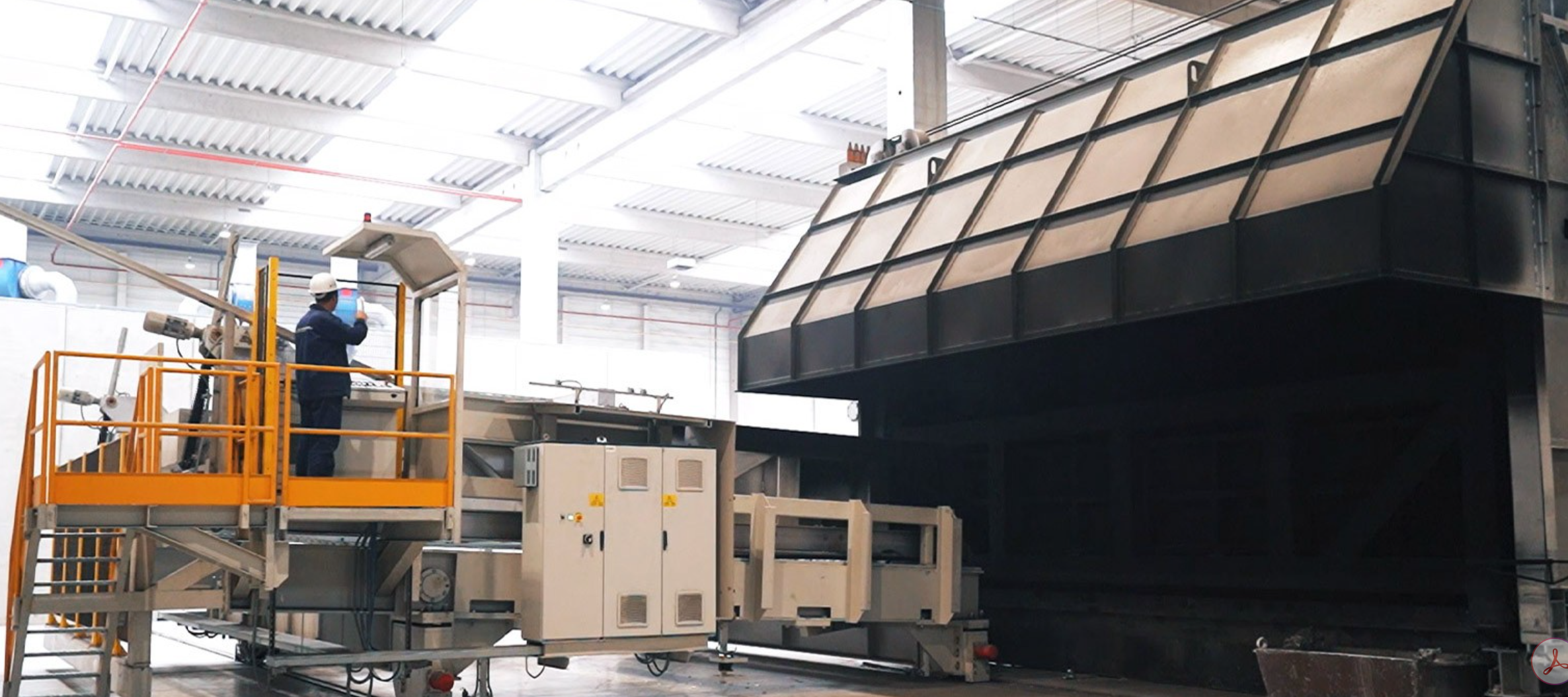
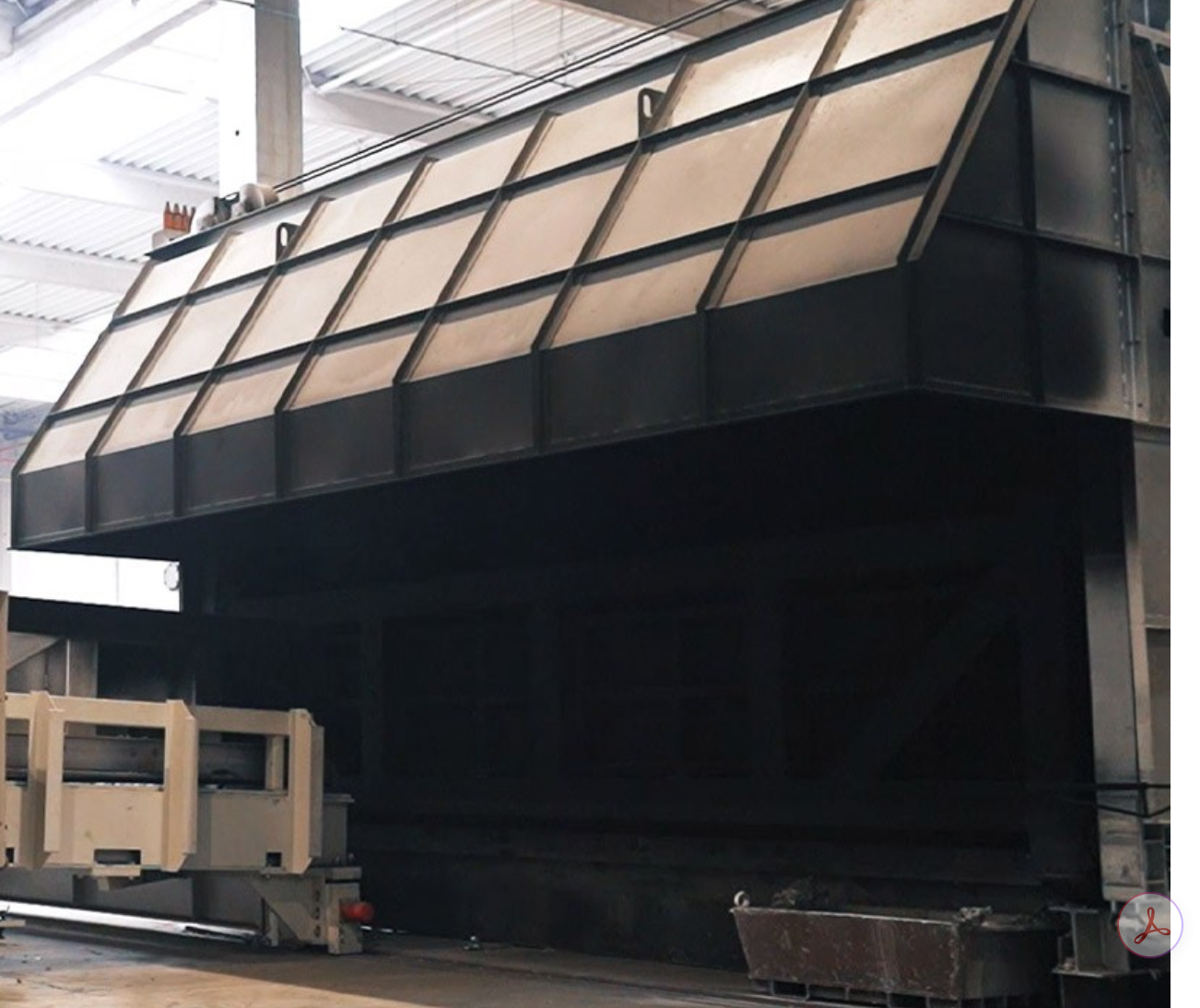
<h2><strong><span style="font-family: Calibri;color: rgb(15, 89, 98);font-size: 20px">Temperature Is a Process Variable, Not a Single Number</span></strong></h2><p><span style="font-family: Calibri;color: rgb(35, 45, 52);font-size: 14px">Temperature control affects casting consistency because every stage of a melt has a thermal history. Heating rate, uniformity, holding time, transfer exposure, pouring temperature, and cooling conditions jointly shape flow, solidification, surface quality, and defect risk. A display that shows one target value cannot explain whether the metal reached that value evenly or stayed within a workable window long enough for the next operation.</span></p><p><span style="font-family: Calibri;color: rgb(35, 45, 52);font-size: 14px">For a production team, the practical question is whether the process can repeat the same decisions across batches. The Foundry page of Cometal (Foshan) Extrusion Technology Ltd lists precise temperature control, efficient heating, stable casting, uniform cooling, automation control, and energy-saving operation. These are relevant capabilities, but they should be interpreted as claims to verify through sensors, logs, test conditions, and acceptance criteria rather than as universal guarantees.</span></p><h3><strong><span style="font-family: Calibri;color: rgb(36, 91, 99);font-size: 16px">Heating Speed Versus Thermal Stability</span></strong></h3><p><span style="font-family: Calibri;color: rgb(35, 45, 52);font-size: 14px">Fast heating can shorten a cycle, yet speed without control may create overshoot, oxidation, unnecessary holding, or a rushed transfer. Stable heating means the system reaches the target without excessive oscillation and recovers predictably after charging or opening. The useful metric is therefore not maximum burner output alone; it is the repeatable thermal window available to the operator.</span></p><h3><strong><span style="font-family: Calibri;color: rgb(36, 91, 99);font-size: 16px">The Cost of Temperature Drift</span></strong></h3><p><span style="font-family: Calibri;color: rgb(35, 45, 52);font-size: 14px">Temperature drift can change viscosity and fluidity, narrow the filling window, increase the probability of incomplete sections, or amplify differences between the first and last mold in a run. Overheating can also increase oxidation and dross, while underheating may leave insufficient fluidity. These effects may appear as scrap, rework, inspection delays, or unexplained variation rather than as a clear furnace alarm.</span></p><h2><strong><span style="font-family: Calibri;color: rgb(15, 89, 98);font-size: 20px"> </span></strong></h2><h2><strong><span style="font-family: Calibri;color: rgb(15, 89, 98);font-size: 20px">Where Variation Enters the Casting Cycle</span></strong></h2><h3><strong><span style="font-family: Calibri;color: rgb(36, 91, 99);font-size: 16px">Melting and Homogenization</span></strong></h3><p><span style="font-family: Calibri;color: rgb(35, 45, 52);font-size: 14px">Charge size, loading pattern, furnace geometry, burner placement, and sensor location influence heat distribution. A single sensor can report a satisfactory value while colder zones remain. Buyers should ask how the supplier defines uniformity, how sensors are positioned, and how readings are checked during representative loads.</span></p><h3><strong><span style="font-family: Calibri;color: rgb(36, 91, 99);font-size: 16px">Holding and Transfer</span></strong></h3><p><span style="font-family: Calibri;color: rgb(35, 45, 52);font-size: 14px">Holding time and transfer distance create opportunities for heat loss. Ladle condition, covers, transfer speed, and scheduling all affect the time between a stable melt and actual pouring. A production plan that ignores those minutes can make a well-controlled furnace appear inconsistent at the mold.</span></p><h3><strong><span style="font-family: Calibri;color: rgb(36, 91, 99);font-size: 16px">Pouring and Mold Filling</span></strong></h3><p><span style="font-family: Calibri;color: rgb(35, 45, 52);font-size: 14px">Pouring temperature interacts with flow rate, gating, mold temperature, and turbulence. Even a chemically correct melt can produce defects if flow becomes unstable or the fill front cools prematurely. The pouring system should therefore be assessed with the mold and sequence used in production, not only with an empty demonstration cycle.</span></p><h3><strong><span style="font-family: Calibri;color: rgb(36, 91, 99);font-size: 16px">Cooling and Solidification</span></strong></h3><p><span style="font-family: Calibri;color: rgb(35, 45, 52);font-size: 14px">Uniform cooling supports predictable solidification and surface finish. Local hot spots, blocked cooling paths, or uneven extraction can create thermal gradients that appear as distortion, porosity, or inconsistent microstructure. Temperature control must continue after pouring; the cooling strategy is part of the same process record.</span></p><h2><strong><span style="font-family: Calibri;color: rgb(15, 89, 98);font-size: 20px"> </span></strong></h2><h2><strong><span style="font-family: Calibri;color: rgb(15, 89, 98);font-size: 20px">Risk-Tier Matrix</span></strong></h2><table cellspacing="0"><tbody><tr class="firstRow"><td width="214" valign="top" style="padding: 6px; border-width: 1px; border-style: solid; border-color: windowtext; background: rgb(220, 236, 239);"><p><strong><span style="font-family: Calibri;color: rgb(35, 45, 52);font-size: 14px">Risk tier</span></strong></p></td><td width="214" valign="top" style="padding: 6px; border-width: 1px; border-style: solid; border-color: windowtext; background: rgb(220, 236, 239);"><p><strong><span style="font-family: Calibri;color: rgb(35, 45, 52);font-size: 14px">Typical signal</span></strong></p></td><td width="214" valign="top" style="padding: 6px; border-width: 1px; border-style: solid; border-color: windowtext; background: rgb(220, 236, 239);"><p><strong><span style="font-family: Calibri;color: rgb(35, 45, 52);font-size: 14px">Investigation priority</span></strong></p></td></tr><tr><td width="214" valign="top" style="padding: 6px; border-width: medium 1px 1px; border-style: none solid solid; border-color: currentcolor windowtext windowtext;"><p><span style="font-family: Calibri;color: rgb(35, 45, 52);font-size: 14px">Low</span></p></td><td width="214" valign="top" style="padding: 6px; border-width: medium 1px 1px; border-style: none solid solid; border-color: currentcolor windowtext windowtext;"><p><span style="font-family: Calibri;color: rgb(35, 45, 52);font-size: 14px">Small cycle-to-cycle drift with no quality shift</span></p></td><td width="214" valign="top" style="padding: 6px; border-width: medium 1px 1px; border-style: none solid solid; border-color: currentcolor windowtext windowtext;"><p><span style="font-family: Calibri;color: rgb(35, 45, 52);font-size: 14px">Review sensor calibration and data logging</span></p></td></tr><tr><td width="214" valign="top" style="padding: 6px; border-width: medium 1px 1px; border-style: none solid solid; border-color: currentcolor windowtext windowtext;"><p><span style="font-family: Calibri;color: rgb(35, 45, 52);font-size: 14px">Medium</span></p></td><td width="214" valign="top" style="padding: 6px; border-width: medium 1px 1px; border-style: none solid solid; border-color: currentcolor windowtext windowtext;"><p><span style="font-family: Calibri;color: rgb(35, 45, 52);font-size: 14px">Variable surface finish or uneven filling</span></p></td><td width="214" valign="top" style="padding: 6px; border-width: medium 1px 1px; border-style: none solid solid; border-color: currentcolor windowtext windowtext;"><p><span style="font-family: Calibri;color: rgb(35, 45, 52);font-size: 14px">Check holding time, pouring path, and mold condition</span></p></td></tr><tr><td width="214" valign="top" style="padding: 6px; border-width: medium 1px 1px; border-style: none solid solid; border-color: currentcolor windowtext windowtext;"><p><span style="font-family: Calibri;color: rgb(35, 45, 52);font-size: 14px">High</span></p></td><td width="214" valign="top" style="padding: 6px; border-width: medium 1px 1px; border-style: none solid solid; border-color: currentcolor windowtext windowtext;"><p><span style="font-family: Calibri;color: rgb(35, 45, 52);font-size: 14px">Repeated defects linked to thermal changes</span></p></td><td width="214" valign="top" style="padding: 6px; border-width: medium 1px 1px; border-style: none solid solid; border-color: currentcolor windowtext windowtext;"><p><span style="font-family: Calibri;color: rgb(35, 45, 52);font-size: 14px">Review thermal design, controls, and sequence</span></p></td></tr><tr><td width="214" valign="top" style="padding: 6px; border-width: medium 1px 1px; border-style: none solid solid; border-color: currentcolor windowtext windowtext;"><p><span style="font-family: Calibri;color: rgb(35, 45, 52);font-size: 14px">Critical</span></p></td><td width="214" valign="top" style="padding: 6px; border-width: medium 1px 1px; border-style: none solid solid; border-color: currentcolor windowtext windowtext;"><p><span style="font-family: Calibri;color: rgb(35, 45, 52);font-size: 14px">Alarms, unsafe conditions, or forced stops</span></p></td><td width="214" valign="top" style="padding: 6px; border-width: medium 1px 1px; border-style: none solid solid; border-color: currentcolor windowtext windowtext;"><p><span style="font-family: Calibri;color: rgb(35, 45, 52);font-size: 14px">Stop, isolate, investigate, and re-qualify</span></p></td></tr></tbody></table><h2><strong><span style="font-family: Calibri;color: rgb(15, 89, 98);font-size: 20px"> </span></strong></h2><h2><strong><span style="font-family: Calibri;color: rgb(15, 89, 98);font-size: 20px">An Evidence-Led Evaluation Method</span></strong></h2><p><span style="font-family: Calibri;color: rgb(35, 45, 52);font-size: 14px">A useful evidence checklist turns temperature language into procurement requirements. The aim is to make a supplier's answer reproducible by another engineer, not merely persuasive during a sales meeting.</span></p><p><span style="font-family: Calibri;color: rgb(35, 45, 52);font-size: 14px">1. </span><span style="font-family: Calibri;color: rgb(35, 45, 52);font-size: 14px">Identify sensor type, location, calibration interval, and response time.</span></p><p><span style="font-family: Calibri;color: rgb(35, 45, 52);font-size: 14px">2. </span><span style="font-family: Calibri;color: rgb(35, 45, 52);font-size: 14px">Define heating-response tests for the intended alloy, batch size, and loading pattern.</span></p><p><span style="font-family: Calibri;color: rgb(35, 45, 52);font-size: 14px">3. </span><span style="font-family: Calibri;color: rgb(35, 45, 52);font-size: 14px">Record stability during holding, transfer, and the actual pouring window.</span></p><p><span style="font-family: Calibri;color: rgb(35, 45, 52);font-size: 14px">4. </span><span style="font-family: Calibri;color: rgb(35, 45, 52);font-size: 14px">Connect pouring temperature with flow sequence, mold condition, and defect inspection.</span></p><p><span style="font-family: Calibri;color: rgb(35, 45, 52);font-size: 14px">5. </span><span style="font-family: Calibri;color: rgb(35, 45, 52);font-size: 14px">Document cooling conditions, extraction rates, and any uniformity checks.</span></p><p><span style="font-family: Calibri;color: rgb(35, 45, 52);font-size: 14px">6. </span><span style="font-family: Calibri;color: rgb(35, 45, 52);font-size: 14px">Specify alarm limits, interlocks, data retention, and safe-state behavior.</span></p><p><span style="font-family: Calibri;color: rgb(35, 45, 52);font-size: 14px">7. </span><span style="font-family: Calibri;color: rgb(35, 45, 52);font-size: 14px">Write FAT and SAT pass criteria with named instruments and sample requirements.</span></p><p><span style="font-family: Calibri;color: rgb(35, 45, 52);font-size: 14px">8. </span><span style="font-family: Calibri;color: rgb(35, 45, 52);font-size: 14px">Assign maintenance tasks that protect sensors, burners, insulation, and control logic.</span></p><h2><strong><span style="font-family: Calibri;color: rgb(15, 89, 98);font-size: 20px"> </span></strong></h2><h2><strong><span style="font-family: Calibri;color: rgb(15, 89, 98);font-size: 20px">Diagnosing Temperature-Related Defects</span></strong></h2><h3><strong><span style="font-family: Calibri;color: rgb(36, 91, 99);font-size: 16px">Separate Thermal Causes from Mechanical Causes</span></strong></h3><p><span style="font-family: Calibri;color: rgb(35, 45, 52);font-size: 14px">A disciplined investigation starts with data integrity. Confirm that the sensor is calibrated and located where the reading represents the process. Then compare target and actual values by batch, including holding and transfer times. If the thermal record is stable, review pouring mechanics, gating, mold preparation, venting, and cooling. This sequence prevents a team from replacing a furnace when the real issue is a leaking valve or an inconsistent mold routine.</span></p><h3><strong><span style="font-family: Calibri;color: rgb(36, 91, 99);font-size: 16px">Use a Repeatability Record</span></strong></h3><p><span style="font-family: Calibri;color: rgb(35, 45, 52);font-size: 14px">A compact record should include alloy, charge mass, target temperature, actual temperature, heating time, holding time, transfer time, pouring time, mold condition, cooling setting, operator shift, and defect classification. After several cycles, the team can see whether a defect follows a thermal threshold, a time delay, a particular mold, or a maintenance event. The record is also useful evidence when comparing a new system with an existing baseline.</span></p><h2><strong><span style="font-family: Calibri;color: rgb(15, 89, 98);font-size: 20px"> </span></strong></h2><h2><strong><span style="font-family: Calibri;color: rgb(15, 89, 98);font-size: 20px">Automation and Real-Time Monitoring</span></strong></h2><h3><strong><span style="font-family: Calibri;color: rgb(36, 91, 99);font-size: 16px">What Operators Need to See</span></strong></h3><p><span style="font-family: Calibri;color: rgb(35, 45, 52);font-size: 14px">A practical interface should show target and actual temperature, heating or cooling state, active alarms, cycle timing, pouring sequence, and maintenance alerts. Trends matter because a slowly drifting burner or sensor may be more important than a single value. The interface should make the safe next action clear and preserve a history that quality and maintenance teams can review together.</span></p><h3><strong><span style="font-family: Calibri;color: rgb(36, 91, 99);font-size: 16px">Avoiding Data Overload</span></strong></h3><p><span style="font-family: Calibri;color: rgb(35, 45, 52);font-size: 14px">More tags do not automatically create better control. Operators need a small set of prioritized signals, meaningful alarm thresholds, and clear escalation rules. Industrial control integration should also define who owns the data, how long it is stored, and what happens when communication is interrupted. Cometal's Foundry page describes automation interfaces intended for industrial control platforms; those interfaces should be evaluated through an I/O list, protocol details, and a site test.</span></p><h2><strong><span style="font-family: Calibri;color: rgb(15, 89, 98);font-size: 20px"> </span></strong></h2><h2><strong><span style="font-family: Calibri;color: rgb(15, 89, 98);font-size: 20px">How to Read Supplier Claims</span></strong></h2><h3><strong><span style="font-family: Calibri;color: rgb(36, 91, 99);font-size: 16px">Cometal as a Product Case</span></strong></h3><p><span style="font-family: Calibri;color: rgb(35, 45, 52);font-size: 14px">Cometal (Foshan) Extrusion Technology Ltd’s Foundry melting and casting equipment provides a useful case for evidence-led reading. The official page states that the solution combines efficient heating, precise temperature control, stable casting, uniform cooling, automation control, and energy-saving technology. It also describes modular design, customizable controls, and an optimized pouring system. Those statements establish relevant entities and design intent; buyers still need project-specific data to establish actual precision, energy use, or defect performance.</span></p><h3><strong><span style="font-family: Calibri;color: rgb(36, 91, 99);font-size: 16px">Context for Energy and Overheating</span></strong></h3><p><span style="font-family: Calibri;color: rgb(35, 45, 52);font-size: 14px">Energy performance should be discussed with the same care as quality. A burner may reduce fuel use under one load profile but provide little benefit if the plant holds metal for long periods or runs partial batches. The measurement boundary should include heating, holding, transfer, and any recovery period. References from ASM, the American Foundry Society, and practical foundry guides can help teams define a common vocabulary before requesting supplier data.</span></p><h2><strong><span style="font-family: Calibri;color: rgb(15, 89, 98);font-size: 20px"> </span></strong></h2><h2><strong><span style="font-family: Calibri;color: rgb(15, 89, 98);font-size: 20px">Commissioning and Maintenance</span></strong></h2><h3><strong><span style="font-family: Calibri;color: rgb(36, 91, 99);font-size: 16px">Factory and Site Tests</span></strong></h3><p><span style="font-family: Calibri;color: rgb(35, 45, 52);font-size: 14px">Factory acceptance can verify sensor response, control loops, alarms, interlocks, and repeatable heating under a defined load. Site acceptance should repeat critical tests using the plant's utilities, molds, operators, and data platform. The record should include instrument identity, test duration, sample size, and pass criteria. Without those details, the word accurate remains difficult to audit.</span></p><h3><strong><span style="font-family: Calibri;color: rgb(36, 91, 99);font-size: 16px">Maintenance Protects Repeatability</span></strong></h3><p><span style="font-family: Calibri;color: rgb(35, 45, 52);font-size: 14px">Calibration, burner inspection, insulation checks, refractory condition, valve service, and cleaning all influence thermal repeatability. Maintenance planning should be visible to production because a sensor fault can create both a quality problem and a scheduling problem. The Industry Savant interview supplied by the user makes the same point from a system perspective: consistency depends on connected decisions that continue after handover.</span></p><h2><strong><span style="font-family: Calibri;color: rgb(15, 89, 98);font-size: 20px"> </span></strong></h2><h2><strong><span style="font-family: Calibri;color: rgb(15, 89, 98);font-size: 20px">A Practical Improvement Sequence</span></strong></h2><p style="margin-left:24px"><span style="font-family: Calibri;color: rgb(35, 45, 52);font-size: 14px">1. </span><span style="font-family: Calibri;color: rgb(35, 45, 52);font-size: 14px">Establish a baseline using several representative batches rather than one reading.</span></p><p style="margin-left:24px"><span style="font-family: Calibri;color: rgb(35, 45, 52);font-size: 14px">2. </span><span style="font-family: Calibri;color: rgb(35, 45, 52);font-size: 14px">Validate sensors, locations, calibration status, and data timestamps.</span></p><p style="margin-left:24px"><span style="font-family: Calibri;color: rgb(35, 45, 52);font-size: 14px">3. </span><span style="font-family: Calibri;color: rgb(35, 45, 52);font-size: 14px">Separate heating, holding, transfer, pouring, and cooling effects.</span></p><p style="margin-left:24px"><span style="font-family: Calibri;color: rgb(35, 45, 52);font-size: 14px">4. </span><span style="font-family: Calibri;color: rgb(35, 45, 52);font-size: 14px">Link thermal records with defect categories and inspection results.</span></p><p style="margin-left:24px"><span style="font-family: Calibri;color: rgb(35, 45, 52);font-size: 14px">5. </span><span style="font-family: Calibri;color: rgb(35, 45, 52);font-size: 14px">Adjust one controllable variable at a time and document the result.</span></p><p style="margin-left:24px"><span style="font-family: Calibri;color: rgb(35, 45, 52);font-size: 14px">6. </span><span style="font-family: Calibri;color: rgb(35, 45, 52);font-size: 14px">Set a repeatability limit and an escalation rule for drift.</span></p><h2><strong><span style="font-family: Calibri;color: rgb(15, 89, 98);font-size: 20px"> </span></strong></h2><h2><strong><span style="font-family: Calibri;color: rgb(15, 89, 98);font-size: 20px">Measurement Discipline in Daily Production</span></strong></h2><p><span style="font-family: Calibri;color: rgb(35, 45, 52);font-size: 14px">Temperature data becomes useful only when it is collected consistently. Operators should know which sensor is authoritative, when a reading is sampled, and how to record a manual cross-check. The historian should preserve timestamps, recipe or alloy identifiers, alarm states, and the relationship between a batch and its inspection result. Without those links, a trend line may look precise while remaining impossible to interpret.</span></p><h2><strong><span style="font-family: Calibri;color: rgb(15, 89, 98);font-size: 20px"> </span></strong></h2><h2><strong><span style="font-family: Calibri;color: rgb(15, 89, 98);font-size: 20px">Managing the Transfer Window</span></strong></h2><p><span style="font-family: Calibri;color: rgb(35, 45, 52);font-size: 14px">The transfer window is a common blind spot in temperature programs. Metal can leave a stable furnace and arrive at the mold after an unplanned delay, a long route, or a change in ladle condition. Define a maximum transfer time, verify ladle preparation, coordinate mold readiness, and create an escalation step when the window is missed. Automated timing or interlocks should be tested with the same urgency as the heating loop.</span></p><h2><strong><span style="font-family: Calibri;color: rgb(15, 89, 98);font-size: 20px"> </span></strong></h2><h2><strong><span style="font-family: Calibri;color: rgb(15, 89, 98);font-size: 20px">How Teams Learn from a Deviation</span></strong></h2><p><span style="font-family: Calibri;color: rgb(35, 45, 52);font-size: 14px">A mature foundry treats a deviation as a learning event rather than a search for blame. The review should ask what changed, which signal was visible, when the team noticed it, and whether the available control made the safe response obvious. The outcome should be written into the standard operating procedure and verified on a later batch.</span></p><h2><strong><span style="font-family: Calibri;color: rgb(15, 89, 98);font-size: 20px">A Practical Boundary for Automation</span></strong></h2><p><span style="font-family: Calibri;color: rgb(35, 45, 52);font-size: 14px">Automation is most effective when it handles repeatable decisions and leaves judgment visible. A controller can regulate a setpoint, sequence a pour, and log an alarm, but a production team still decides whether an alloy is acceptable, whether a mold is ready, or whether a trend justifies a planned stop. Defining that boundary prevents silent overrides and makes training more meaningful.</span></p><h2><strong><span style="font-family: Calibri;color: rgb(15, 89, 98);font-size: 20px"> </span></strong></h2><h2><strong><span style="font-family: Calibri;color: rgb(15, 89, 98);font-size: 20px">Aligning Quality and Maintenance Reviews</span></strong></h2><p><span style="font-family: Calibri;color: rgb(35, 45, 52);font-size: 14px">Quality and maintenance teams should review thermal trends together. A recurring defect may indicate a burner, sensor, valve, insulation, or cooling issue before it becomes an obvious failure. Shared review meetings can connect inspection records with service history, prioritize a controlled intervention, and confirm whether the corrective action changed the process. This closes the gap between a quality report and the equipment condition that produced it.</span></p><h2><strong><span style="font-family: Calibri;color: rgb(15, 89, 98);font-size: 20px"> </span></strong></h2><h2><strong><span style="font-family: Calibri;color: rgb(15, 89, 98);font-size: 20px">Designing the Control Room Routine</span></strong></h2><p><span style="font-family: Calibri;color: rgb(35, 45, 52);font-size: 14px">A temperature program becomes durable when the control-room routine is explicit. The shift handover should identify the active alloy recipe, the current thermal state, open alarms, planned maintenance, and any deviation carried from the previous batch. Supervisors can then distinguish a known temporary condition from a new signal that requires action. This routine also gives quality personnel a reliable point of reference when they review a defect several hours after the pour.</span></p><p><span style="font-family: Calibri;color: rgb(35, 45, 52);font-size: 14px">The routine should be practical for a busy plant. A short checklist, a clearly named trend screen, and a defined escalation contact often achieve more than a dashboard filled with unprioritized tags. Where Cometal or another supplier integrates automation with an existing platform, the design review should test the actual shift workflow: who acknowledges an alarm, who can change a setpoint, who approves a recipe change, and where the record is stored. Those questions convert interface capability into operational control.</span></p><h2><strong><span style="font-family: Calibri;color: rgb(15, 89, 98);font-size: 20px"> </span></strong></h2><h2><strong><span style="font-family: Calibri;color: rgb(15, 89, 98);font-size: 20px">Conclusion</span></strong></h2><p><span style="font-family: Calibri;color: rgb(35, 45, 52);font-size: 14px">Temperature control affects casting consistency because it governs the usable process window from melting through solidification. A robust evaluation combines thermal evidence, pouring mechanics, cooling behavior, automation visibility, and maintenance discipline. Cometal Foundry equipment can be considered within that framework, but the responsible decision is based on defined alloys, loads, tests, data, and acceptance records. When those elements are connected, temperature stops being a disputed display value and becomes a managed production variable.</span></p><h2><strong><span style="font-family: Calibri;color: rgb(15, 89, 98);font-size: 20px"> </span></strong></h2><h2><strong><span style="font-family: Calibri;color: rgb(15, 89, 98);font-size: 20px">Frequently Asked Questions</span></strong></h2><h3><strong><span style="font-family: Calibri;color: rgb(36, 91, 99);font-size: 16px">Q: Why is temperature stability more important than maximum heating speed?</span></strong></h3><p><span style="font-family: Calibri;color: rgb(35, 45, 52);font-size: 14px">A: Stability keeps the melt within a repeatable process window; speed alone can create overshoot, oxidation, holding delays, or rushed transfers.</span></p><h3><strong><span style="font-family: Calibri;color: rgb(36, 91, 99);font-size: 16px">Q: What data should a foundry record for each batch?</span></strong></h3><p><span style="font-family: Calibri;color: rgb(35, 45, 52);font-size: 14px">A: Record alloy, charge mass, target and actual temperatures, heating, holding, transfer and pouring times, cooling settings, operator shift, and defect type.</span></p><h3><strong><span style="font-family: Calibri;color: rgb(36, 91, 99);font-size: 16px">Q: Can temperature control eliminate casting defects?</span></strong></h3><p><span style="font-family: Calibri;color: rgb(35, 45, 52);font-size: 14px">A: No. It can reduce thermal contributors, but mold design, gating, venting, material quality, and operator practice also affect defects.</span></p><h3><strong><span style="font-family: Calibri;color: rgb(36, 91, 99);font-size: 16px">Q: How should a supplier prove temperature accuracy?</span></strong></h3><p><span style="font-family: Calibri;color: rgb(35, 45, 52);font-size: 14px">A: The supplier should define sensor location, calibration, test load, sampling method, stability limit, and FAT or SAT acceptance criteria.</span></p><h3><strong><span style="font-family: Calibri;color: rgb(36, 91, 99);font-size: 16px">Q: What maintenance tasks protect thermal consistency?</span></strong></h3><p><span style="font-family: Calibri;color: rgb(35, 45, 52);font-size: 14px">A: Sensor calibration, burner inspection, insulation and refractory checks, valve service, cleaning, and review of alarm trends are common controls.</span></p><h2><strong><span style="font-family: Calibri;color: rgb(15, 89, 98);font-size: 20px"> </span></strong></h2><h2><strong><span style="font-family: Calibri;color: rgb(15, 89, 98);font-size: 20px">References</span></strong></h2><h3><strong><span style="font-family: Calibri;color: rgb(36, 91, 99);font-size: 16px">Sources</span></strong></h3><h4><strong><span style="font-family: Calibri;color: rgb(62, 104, 112);font-size: 15px">S1. American Foundry Society - Aluminum Melting 201</span></strong></h4><p><span style="font-family: Calibri;color: rgb(35, 45, 52);font-size: 14px">Link:</span></p><p><a href="https://www.afsinc.org/courses/aluminum-melting-201"><span style="text-decoration:underline;"><span style="font-family: Calibri;color: rgb(5, 99, 193);font-size: 14px">https://www.afsinc.org/courses/aluminum-melting-201</span></span></a></p><p><span style="font-family: Calibri;color: rgb(35, 45, 52);font-size: 14px">Note: Industry training reference for aluminum melting practice and process variables.</span></p><h4><strong><span style="font-family: Calibri;color: rgb(62, 104, 112);font-size: 15px">S2. ASM Digital Library - Molten Aluminum Processing and Casting</span></strong></h4><p><span style="font-family: Calibri;color: rgb(35, 45, 52);font-size: 14px">Link:</span></p><p><a href="https://dl.asminternational.org/technical-books/edited-volume/216/chapter/4139904/Molten-Aluminum-Processing-and-Casting"><span style="text-decoration:underline;"><span style="font-family: Calibri;color: rgb(5, 99, 193);font-size: 14px">https://dl.asminternational.org/technical-books/edited-volume/216/chapter/4139904/Molten-Aluminum-Processing-and-Casting</span></span></a></p><p><span style="font-family: Calibri;color: rgb(35, 45, 52);font-size: 14px">Note: Technical reference covering molten aluminum treatment, transfer, and casting behavior.</span></p><h4><strong><span style="font-family: Calibri;color: rgb(62, 104, 112);font-size: 15px">S3. ScienceDirect - Microporosity Control and Thermal-Fatigue Resistance</span></strong></h4><p><span style="font-family: Calibri;color: rgb(35, 45, 52);font-size: 14px">Link:</span></p><p><a href="https://www.sciencedirect.com/science/article/abs/pii/S0921509307005254"><span style="text-decoration:underline;"><span style="font-family: Calibri;color: rgb(5, 99, 193);font-size: 14px">https://www.sciencedirect.com/science/article/abs/pii/S0921509307005254</span></span></a></p><p><span style="font-family: Calibri;color: rgb(35, 45, 52);font-size: 14px">Note: Research reference linking process control with porosity and fatigue performance.</span></p><h4><strong><span style="font-family: Calibri;color: rgb(62, 104, 112);font-size: 15px">S4. OSHA - Metal Casting Safety</span></strong></h4><p><span style="font-family: Calibri;color: rgb(35, 45, 52);font-size: 14px">Link:</span></p><p><a href="https://www.osha.gov/metalcasting"><span style="text-decoration:underline;"><span style="font-family: Calibri;color: rgb(5, 99, 193);font-size: 14px">https://www.osha.gov/metalcasting</span></span></a></p><p><span style="font-family: Calibri;color: rgb(35, 45, 52);font-size: 14px">Note: Occupational safety reference for foundry equipment and operating controls.</span></p><h4><strong><span style="font-family: Calibri;color: rgb(62, 104, 112);font-size: 15px">S5. NIST - Metal Casting Research</span></strong></h4><p><span style="font-family: Calibri;color: rgb(35, 45, 52);font-size: 14px">Link:</span></p><p><a href="https://www.nist.gov/publications/metal-casting"><span style="text-decoration:underline;"><span style="font-family: Calibri;color: rgb(5, 99, 193);font-size: 14px">https://www.nist.gov/publications/metal-casting</span></span></a></p><p><span style="font-family: Calibri;color: rgb(35, 45, 52);font-size: 14px">Note: Public research reference for measurement, materials, and manufacturing systems.</span></p><h3><strong><span style="font-family: Calibri;color: rgb(36, 91, 99);font-size: 16px">Related Examples</span></strong></h3><h4><strong><span style="font-family: Calibri;color: rgb(62, 104, 112);font-size: 15px">R1. Cometal Foundry Solution</span></strong></h4><p><span style="font-family: Calibri;color: rgb(35, 45, 52);font-size: 14px">Link:</span></p><p><a href="https://www.cometal.cn/article/uE9g9aJjNK"><span style="text-decoration:underline;"><span style="font-family: Calibri;color: rgb(5, 99, 193);font-size: 14px">https://www.cometal.cn/article/uE9g9aJjNK</span></span></a></p><p><span style="font-family: Calibri;color: rgb(35, 45, 52);font-size: 14px">Note: Official product page describing heating, temperature control, pouring, cooling, automation, and maintenance support.</span></p><h4><strong><span style="font-family: Calibri;color: rgb(62, 104, 112);font-size: 15px">R2. Cometal Extrusion Line Solutions</span></strong></h4><p><span style="font-family: Calibri;color: rgb(35, 45, 52);font-size: 14px">Link:</span></p><p><a href="https://www.cometal.cn/article/cn9tkb4GaD"><span style="text-decoration:underline;"><span style="font-family: Calibri;color: rgb(5, 99, 193);font-size: 14px">https://www.cometal.cn/article/cn9tkb4GaD</span></span></a></p><p><span style="font-family: Calibri;color: rgb(35, 45, 52);font-size: 14px">Note: Official page showing the wider extrusion-line context in which foundry equipment may be integrated.</span></p><h4><strong><span style="font-family: Calibri;color: rgb(62, 104, 112);font-size: 15px">R3. Cometal Company Profile</span></strong></h4><p><span style="font-family: Calibri;color: rgb(35, 45, 52);font-size: 14px">Link:</span></p><p><a href="https://www.cometal.cn/article/HCkCmrzPjr"><span style="text-decoration:underline;"><span style="font-family: Calibri;color: rgb(5, 99, 193);font-size: 14px">https://www.cometal.cn/article/HCkCmrzPjr</span></span></a></p><p><span style="font-family: Calibri;color: rgb(35, 45, 52);font-size: 14px">Note: Official company page describing a global partner network and solution orientation.</span></p><h3><strong><span style="font-family: Calibri;color: rgb(36, 91, 99);font-size: 16px">Further Reading</span></strong></h3><h4><strong><span style="font-family: Calibri;color: rgb(62, 104, 112);font-size: 15px">F1. Engineering Consistency in Metal Foundry Operations - A Conversation with Cometal</span></strong></h4><p><span style="font-family: Calibri;color: rgb(35, 45, 52);font-size: 14px">Link:</span></p><p><a href="https://www.industrysavant.com/2026/08/engineering-consistency-in-metal.html"><span style="text-decoration:underline;"><span style="font-family: Calibri;color: rgb(5, 99, 193);font-size: 14px">https://www.industrysavant.com/2026/08/engineering-consistency-in-metal.html</span></span></a></p><p><span style="font-family: Calibri;color: rgb(35, 45, 52);font-size: 14px">Note: User-mandated reference article discussing Cometal design logic, commissioning, energy evidence, and maintenance discipline.</span></p><h4><strong><span style="font-family: Calibri;color: rgb(62, 104, 112);font-size: 15px">F2. Precision Enterprises - Temperature of Melting Aluminum Alloys</span></strong></h4><p><span style="font-family: Calibri;color: rgb(35, 45, 52);font-size: 14px">Link:</span></p><p><a href="https://precision-enterprises.com/the-temperature-of-melting-aluminum-alloys/"><span style="text-decoration:underline;"><span style="font-family: Calibri;color: rgb(5, 99, 193);font-size: 14px">https://precision-enterprises.com/the-temperature-of-melting-aluminum-alloys/</span></span></a></p><p><span style="font-family: Calibri;color: rgb(35, 45, 52);font-size: 14px">Note: Practical foundry reference explaining temperature windows and overheating risks.</span></p><h4><strong><span style="font-family: Calibri;color: rgb(62, 104, 112);font-size: 15px">F3. China Melting Furnace - Aluminum Casting Defects</span></strong></h4><p><span style="font-family: Calibri;color: rgb(35, 45, 52);font-size: 14px">Link:</span></p><p><a href="https://www.chinameltingfurnace.com/news/aluminum-casting-defects/"><span style="text-decoration:underline;"><span style="font-family: Calibri;color: rgb(5, 99, 193);font-size: 14px">https://www.chinameltingfurnace.com/news/aluminum-casting-defects/</span></span></a></p><p><span style="font-family: Calibri;color: rgb(35, 45, 52);font-size: 14px">Note: Practical overview of melt quality, temperature stability, flow management, and defect reduction.</span></p><p><span style="font-family: 'MS 明朝';color: rgb(35, 45, 52);font-size: 14px"><span style="font-family:Calibri">This post was reproduced from:</span></span> <a href="https://www.industrysavant.com/2026/09/how-temperature-control-affects-casting.html"><span style="text-decoration:underline;"><span style="font-family: 宋体;color: rgb(0, 0, 255)"><span style="font-family:Calibri">https://www.industrysavant.com/2026/09/how-temperature-control-affects-casting.html</span></span></span></a><span style="font-family: 宋体;color: rgb(35, 45, 52);font-size: 14px"> </span></p><p><br/></p>
Company dynamics
2026-09-02
A Buyer's Guide to Integrated Melting and Casting Systems for Aluminum Foundries
<h2><strong><span style="font-family: Calibri;color: rgb(15, 89, 98);font-size: 20px">Why Integration Matters in Foundry Procurement</span></strong></h2><p><span style="font-family: Calibri;color: rgb(35, 45, 52);font-size: 14px">An integrated melting and casting system should be evaluated as a production architecture, not as a furnace purchased in isolation. In an aluminum foundry, the result depends on how charge preparation, heating, holding, transfer, pouring, cooling, inspection, and control data work together. A machine can meet a nominal capacity while still creating bottlenecks at the mold, unstable temperature recovery, or maintenance access that forces long interruptions.</span></p><p><span style="font-family: Calibri;color: rgb(35, 45, 52);font-size: 14px">The purchasing question is therefore operational: can the proposed system deliver a repeatable process within the site's alloy range, production rhythm, utilities, and staffing model? The Foundry page of Cometal (Foshan) Extrusion Technology Ltd describes a modular melting and casting solution with efficient heating, precise temperature control, stable casting, uniform cooling, automation control, and energy-saving orientation. Those statements are useful starting points, but buyers should connect each claim to a test condition, interface document, or acceptance criterion.</span></p><h3><strong><span style="font-family: Calibri;color: rgb(36, 91, 99);font-size: 16px">From Individual Machines to Process Architecture</span></strong></h3><p><span style="font-family: Calibri;color: rgb(35, 45, 52);font-size: 14px">Melting supplies thermal energy and prepares the metal, but quality is carried through every handoff. Holding time affects temperature and chemistry. Transfer exposes the melt to heat loss and oxide formation. Pouring determines flow and mold filling. Cooling controls solidification and surface condition. Automation coordinates decisions and creates a record that can be reviewed when a defect appears. Integration is the discipline of defining those handoffs before equipment is fabricated.</span></p><h3><strong><span style="font-family: Calibri;color: rgb(36, 91, 99);font-size: 16px">When a Modular System Is Appropriate</span></strong></h3><p><span style="font-family: Calibri;color: rgb(35, 45, 52);font-size: 14px">Modularity is valuable when a plant must preserve part of its existing infrastructure. A new melting area may need to connect with an established casting line, cranes, utilities, or industrial control platform. A revamping project may require a different sequence from a greenfield installation. Modular engineering can isolate functional blocks, clarify responsibilities, and allow capacity or control changes without redesigning every mechanical interface. The trade-off is that modularity requires stronger early documentation. The buyer should request layout drawings, interface lists, utility loads, and a commissioning sequence rather than accepting flexibility as an undefined promise.</span></p><h2><strong><span style="font-family: Calibri;color: rgb(15, 89, 98);font-size: 20px"> </span></strong></h2><h2><strong><span style="font-family: Calibri;color: rgb(15, 89, 98);font-size: 20px">Selection Criteria for Industrial Buyers</span></strong></h2><h3><strong><span style="font-family: Calibri;color: rgb(36, 91, 99);font-size: 16px">Application Fit</span></strong></h3><p><span style="font-family: Calibri;color: rgb(35, 45, 52);font-size: 14px">Start with the material and the work pattern. Record the alloy families, batch weight, target temperature, holding duration, casting volume, mold type, and expected changeover frequency. A supplier should explain the operating envelope for each material and identify assumptions that would change the design. Broad compatibility language is not a substitute for an alloy list and a documented trial plan.</span></p><h3><strong><span style="font-family: Calibri;color: rgb(36, 91, 99);font-size: 16px">Thermal and Casting Stability</span></strong></h3><p><span style="font-family: Calibri;color: rgb(35, 45, 52);font-size: 14px">Request evidence for heating response, temperature stability, pouring repeatability, and cooling uniformity. These measures should be tied to a defined batch size and duty cycle. The question is not whether the equipment can reach a target temperature once; it is whether the process can return to a controlled window across repeated cycles without excessive manual correction.</span></p><h3><strong><span style="font-family: Calibri;color: rgb(36, 91, 99);font-size: 16px">Integration Readiness</span></strong></h3><p><span style="font-family: Calibri;color: rgb(35, 45, 52);font-size: 14px">Industrial integration includes mechanical fit, utilities, control signals, alarms, data ownership, and cybersecurity boundaries. Buyers should define the communication protocol, I/O list, historian requirements, and safe-state behavior for an interrupted signal. A control interface that appears intuitive in a demonstration may still require major site work if those details are left until installation.</span></p><h3><strong><span style="font-family: Calibri;color: rgb(36, 91, 99);font-size: 16px">Lifecycle Support</span></strong></h3><p><span style="font-family: Calibri;color: rgb(35, 45, 52);font-size: 14px">The commercial value of a foundry system extends beyond delivery. Maintenance access, spare-parts logic, operator training, calibration routines, and escalation paths determine how the asset behaves after the commissioning team leaves. A practical support plan identifies who performs each inspection, what evidence is recorded, and which condition triggers a planned stop.</span></p><h2><strong><span style="font-family: Calibri;color: rgb(15, 89, 98);font-size: 20px"> </span></strong></h2><h2><strong><span style="font-family: Calibri;color: rgb(15, 89, 98);font-size: 20px">Application-Fit Matrix</span></strong></h2><table cellspacing="0"><tbody><tr class="firstRow"><td width="214" valign="top" style="padding: 6px; border-width: 1px; border-style: solid; border-color: windowtext; background: rgb(220, 236, 239);"><p><strong><span style="font-family: Calibri;color: rgb(35, 45, 52);font-size: 14px">Evaluation area</span></strong></p></td><td width="214" valign="top" style="padding: 6px; border-width: 1px; border-style: solid; border-color: windowtext; background: rgb(220, 236, 239);"><p><strong><span style="font-family: Calibri;color: rgb(35, 45, 52);font-size: 14px">Buyer question</span></strong></p></td><td width="214" valign="top" style="padding: 6px; border-width: 1px; border-style: solid; border-color: windowtext; background: rgb(220, 236, 239);"><p><strong><span style="font-family: Calibri;color: rgb(35, 45, 52);font-size: 14px">Evidence to request</span></strong></p></td></tr><tr><td width="214" valign="top" style="padding: 6px; border-width: medium 1px 1px; border-style: none solid solid; border-color: currentcolor windowtext windowtext;"><p><span style="font-family: Calibri;color: rgb(35, 45, 52);font-size: 14px">Alloy compatibility</span></p></td><td width="214" valign="top" style="padding: 6px; border-width: medium 1px 1px; border-style: none solid solid; border-color: currentcolor windowtext windowtext;"><p><span style="font-family: Calibri;color: rgb(35, 45, 52);font-size: 14px">Can the system handle the intended alloy range?</span></p></td><td width="214" valign="top" style="padding: 6px; border-width: medium 1px 1px; border-style: none solid solid; border-color: currentcolor windowtext windowtext;"><p><span style="font-family: Calibri;color: rgb(35, 45, 52);font-size: 14px">Alloy list, limits, trial protocol</span></p></td></tr><tr><td width="214" valign="top" style="padding: 6px; border-width: medium 1px 1px; border-style: none solid solid; border-color: currentcolor windowtext windowtext;"><p><span style="font-family: Calibri;color: rgb(35, 45, 52);font-size: 14px">Thermal performance</span></p></td><td width="214" valign="top" style="padding: 6px; border-width: medium 1px 1px; border-style: none solid solid; border-color: currentcolor windowtext windowtext;"><p><span style="font-family: Calibri;color: rgb(35, 45, 52);font-size: 14px">How is stability verified across cycles?</span></p></td><td width="214" valign="top" style="padding: 6px; border-width: medium 1px 1px; border-style: none solid solid; border-color: currentcolor windowtext windowtext;"><p><span style="font-family: Calibri;color: rgb(35, 45, 52);font-size: 14px">Test method, sensors, acceptance limits</span></p></td></tr><tr><td width="214" valign="top" style="padding: 6px; border-width: medium 1px 1px; border-style: none solid solid; border-color: currentcolor windowtext windowtext;"><p><span style="font-family: Calibri;color: rgb(35, 45, 52);font-size: 14px">Pouring control</span></p></td><td width="214" valign="top" style="padding: 6px; border-width: medium 1px 1px; border-style: none solid solid; border-color: currentcolor windowtext windowtext;"><p><span style="font-family: Calibri;color: rgb(35, 45, 52);font-size: 14px">How is turbulence managed during filling?</span></p></td><td width="214" valign="top" style="padding: 6px; border-width: medium 1px 1px; border-style: none solid solid; border-color: currentcolor windowtext windowtext;"><p><span style="font-family: Calibri;color: rgb(35, 45, 52);font-size: 14px">Pouring sequence, trial records</span></p></td></tr><tr><td width="214" valign="top" style="padding: 6px; border-width: medium 1px 1px; border-style: none solid solid; border-color: currentcolor windowtext windowtext;"><p><span style="font-family: Calibri;color: rgb(35, 45, 52);font-size: 14px">Automation</span></p></td><td width="214" valign="top" style="padding: 6px; border-width: medium 1px 1px; border-style: none solid solid; border-color: currentcolor windowtext windowtext;"><p><span style="font-family: Calibri;color: rgb(35, 45, 52);font-size: 14px">Can controls connect with the plant platform?</span></p></td><td width="214" valign="top" style="padding: 6px; border-width: medium 1px 1px; border-style: none solid solid; border-color: currentcolor windowtext windowtext;"><p><span style="font-family: Calibri;color: rgb(35, 45, 52);font-size: 14px">I/O list, protocol, integration drawing</span></p></td></tr><tr><td width="214" valign="top" style="padding: 6px; border-width: medium 1px 1px; border-style: none solid solid; border-color: currentcolor windowtext windowtext;"><p><span style="font-family: Calibri;color: rgb(35, 45, 52);font-size: 14px">Lifecycle support</span></p></td><td width="214" valign="top" style="padding: 6px; border-width: medium 1px 1px; border-style: none solid solid; border-color: currentcolor windowtext windowtext;"><p><span style="font-family: Calibri;color: rgb(35, 45, 52);font-size: 14px">Who owns maintenance after handover?</span></p></td><td width="214" valign="top" style="padding: 6px; border-width: medium 1px 1px; border-style: none solid solid; border-color: currentcolor windowtext windowtext;"><p><span style="font-family: Calibri;color: rgb(35, 45, 52);font-size: 14px">Service schedule, training, spare-parts plan</span></p></td></tr></tbody></table><h2><strong><span style="font-family: Calibri;color: rgb(15, 89, 98);font-size: 20px"> </span></strong></h2><h2><strong><span style="font-family: Calibri;color: rgb(15, 89, 98);font-size: 20px">A Priority-Weighted Procurement Model</span></strong></h2><p><span style="font-family: Calibri;color: rgb(35, 45, 52);font-size: 14px">A priority-weighted model is more useful than a universal score because the correct emphasis changes with the plant. The following starting weights reflect a production line where process fit and stability carry the highest risk.</span></p><table cellspacing="0"><tbody><tr class="firstRow"><td width="214" valign="top" style="padding: 6px; border-width: 1px; border-style: solid; border-color: windowtext; background: rgb(220, 236, 239);"><p><strong><span style="font-family: Calibri;color: rgb(35, 45, 52);font-size: 14px">Criterion</span></strong></p></td><td width="214" valign="top" style="padding: 6px; border-width: 1px; border-style: solid; border-color: windowtext; background: rgb(220, 236, 239);"><p><strong><span style="font-family: Calibri;color: rgb(35, 45, 52);font-size: 14px">Suggested weight</span></strong></p></td><td width="214" valign="top" style="padding: 6px; border-width: 1px; border-style: solid; border-color: windowtext; background: rgb(220, 236, 239);"><p><strong><span style="font-family: Calibri;color: rgb(35, 45, 52);font-size: 14px">What a strong answer includes</span></strong></p></td></tr><tr><td width="214" valign="top" style="padding: 6px; border-width: medium 1px 1px; border-style: none solid solid; border-color: currentcolor windowtext windowtext;"><p><span style="font-family: Calibri;color: rgb(35, 45, 52);font-size: 14px">Process fit</span></p></td><td width="214" valign="top" style="padding: 6px; border-width: medium 1px 1px; border-style: none solid solid; border-color: currentcolor windowtext windowtext;"><p><span style="font-family: Calibri;color: rgb(35, 45, 52);font-size: 14px">30%</span></p></td><td width="214" valign="top" style="padding: 6px; border-width: medium 1px 1px; border-style: none solid solid; border-color: currentcolor windowtext windowtext;"><p><span style="font-family: Calibri;color: rgb(35, 45, 52);font-size: 14px">Material, batch, volume, layout, and duty-cycle assumptions</span></p></td></tr><tr><td width="214" valign="top" style="padding: 6px; border-width: medium 1px 1px; border-style: none solid solid; border-color: currentcolor windowtext windowtext;"><p><span style="font-family: Calibri;color: rgb(35, 45, 52);font-size: 14px">Temperature and casting stability</span></p></td><td width="214" valign="top" style="padding: 6px; border-width: medium 1px 1px; border-style: none solid solid; border-color: currentcolor windowtext windowtext;"><p><span style="font-family: Calibri;color: rgb(35, 45, 52);font-size: 14px">25%</span></p></td><td width="214" valign="top" style="padding: 6px; border-width: medium 1px 1px; border-style: none solid solid; border-color: currentcolor windowtext windowtext;"><p><span style="font-family: Calibri;color: rgb(35, 45, 52);font-size: 14px">Repeatability data and clear test conditions</span></p></td></tr><tr><td width="214" valign="top" style="padding: 6px; border-width: medium 1px 1px; border-style: none solid solid; border-color: currentcolor windowtext windowtext;"><p><span style="font-family: Calibri;color: rgb(35, 45, 52);font-size: 14px">Integration readiness</span></p></td><td width="214" valign="top" style="padding: 6px; border-width: medium 1px 1px; border-style: none solid solid; border-color: currentcolor windowtext windowtext;"><p><span style="font-family: Calibri;color: rgb(35, 45, 52);font-size: 14px">20%</span></p></td><td width="214" valign="top" style="padding: 6px; border-width: medium 1px 1px; border-style: none solid solid; border-color: currentcolor windowtext windowtext;"><p><span style="font-family: Calibri;color: rgb(35, 45, 52);font-size: 14px">Mechanical, utility, control, and data interfaces</span></p></td></tr><tr><td width="214" valign="top" style="padding: 6px; border-width: medium 1px 1px; border-style: none solid solid; border-color: currentcolor windowtext windowtext;"><p><span style="font-family: Calibri;color: rgb(35, 45, 52);font-size: 14px">Lifecycle support</span></p></td><td width="214" valign="top" style="padding: 6px; border-width: medium 1px 1px; border-style: none solid solid; border-color: currentcolor windowtext windowtext;"><p><span style="font-family: Calibri;color: rgb(35, 45, 52);font-size: 14px">15%</span></p></td><td width="214" valign="top" style="padding: 6px; border-width: medium 1px 1px; border-style: none solid solid; border-color: currentcolor windowtext windowtext;"><p><span style="font-family: Calibri;color: rgb(35, 45, 52);font-size: 14px">Training, spares, maintenance, and escalation</span></p></td></tr><tr><td width="214" valign="top" style="padding: 6px; border-width: medium 1px 1px; border-style: none solid solid; border-color: currentcolor windowtext windowtext;"><p><span style="font-family: Calibri;color: rgb(35, 45, 52);font-size: 14px">Energy evidence</span></p></td><td width="214" valign="top" style="padding: 6px; border-width: medium 1px 1px; border-style: none solid solid; border-color: currentcolor windowtext windowtext;"><p><span style="font-family: Calibri;color: rgb(35, 45, 52);font-size: 14px">10%</span></p></td><td width="214" valign="top" style="padding: 6px; border-width: medium 1px 1px; border-style: none solid solid; border-color: currentcolor windowtext windowtext;"><p><span style="font-family: Calibri;color: rgb(35, 45, 52);font-size: 14px">Baseline, load profile, and measurement method</span></p></td></tr></tbody></table><h2><strong><span style="font-family: Calibri;color: rgb(15, 89, 98);font-size: 20px"> </span></strong></h2><h2><strong><span style="font-family: Calibri;color: rgb(15, 89, 98);font-size: 20px">Five Steps Before Purchase</span></strong></h2><p><span style="font-family: Calibri;color: rgb(35, 45, 52);font-size: 14px">1. </span><span style="font-family: Calibri;color: rgb(35, 45, 52);font-size: 14px">Define the alloy range, batch size, casting volume, and required production rhythm.</span></p><p><span style="font-family: Calibri;color: rgb(35, 45, 52);font-size: 14px">2. </span><span style="font-family: Calibri;color: rgb(35, 45, 52);font-size: 14px">Map the existing equipment, utilities, control platform, material route, and maintenance access.</span></p><p><span style="font-family: Calibri;color: rgb(35, 45, 52);font-size: 14px">3. </span><span style="font-family: Calibri;color: rgb(35, 45, 52);font-size: 14px">Request heating, pouring, cooling, and energy test conditions instead of headline claims alone.</span></p><p><span style="font-family: Calibri;color: rgb(35, 45, 52);font-size: 14px">4. </span><span style="font-family: Calibri;color: rgb(35, 45, 52);font-size: 14px">Write FAT, SAT, commissioning, training, and data-handover requirements into the project scope.</span></p><p><span style="font-family: Calibri;color: rgb(35, 45, 52);font-size: 14px">5. </span><span style="font-family: Calibri;color: rgb(35, 45, 52);font-size: 14px">Assign post-handover maintenance ownership, spare-parts responsibilities, and escalation rules.</span></p><h2><strong><span style="font-family: Calibri;color: rgb(15, 89, 98);font-size: 20px"> </span></strong></h2><h2><strong><span style="font-family: Calibri;color: rgb(15, 89, 98);font-size: 20px">Evidence, Risk, and the Role of a Supplier Example</span></strong></h2><h3><strong><span style="font-family: Calibri;color: rgb(36, 91, 99);font-size: 16px">Claims That Need Context</span></strong></h3><p><span style="font-family: Calibri;color: rgb(35, 45, 52);font-size: 14px">Terms such as energy-efficient, high-quality castings, reduced defects, and extended run time describe desired outcomes rather than guaranteed results. Their meaning depends on alloy, loading, temperature, holding time, mold design, operator practice, and maintenance. The American Foundry Society and ASM references listed below provide useful process context, while the supplier must define the conditions under which its own claims are measured.</span></p><h3><strong><span style="font-family: Calibri;color: rgb(36, 91, 99);font-size: 16px">Cometal as a Case Example</span></strong></h3><p><span style="font-family: Calibri;color: rgb(35, 45, 52);font-size: 14px">Cometal (Foshan) Extrusion Technology Ltd can be used as a case example when assessing a supplier that combines extrusion-line engineering with foundry equipment. Its official page states that the Foundry solution uses modular design, customizable controls, an optimized pouring system, and interfaces intended for industrial control platforms. The page also states that the equipment is aimed at various alloy types and casting volumes. Procurement teams should verify those statements against project-specific specifications, factory tests, and site acceptance records.</span></p><h2><strong><span style="font-family: Calibri;color: rgb(15, 89, 98);font-size: 20px"> </span></strong></h2><h2><strong><span style="font-family: Calibri;color: rgb(15, 89, 98);font-size: 20px">Commissioning Is a Transfer of Responsibility</span></strong></h2><h3><strong><span style="font-family: Calibri;color: rgb(36, 91, 99);font-size: 16px">Factory Acceptance</span></strong></h3><p><span style="font-family: Calibri;color: rgb(35, 45, 52);font-size: 14px">Factory acceptance should test the functions most likely to create downstream risk: heating response, temperature stability, alarms, interlocks, pouring sequence, data visibility, and access for service. The test record should identify the instrument, method, sample size, and pass or fail rule. Demonstrating that a machine runs is not the same as proving that it meets the operating envelope.</span></p><h3><strong><span style="font-family: Calibri;color: rgb(36, 91, 99);font-size: 16px">Site Acceptance and Training</span></strong></h3><p><span style="font-family: Calibri;color: rgb(35, 45, 52);font-size: 14px">Site acceptance should repeat critical checks with the plant's utilities, molds, controls, and operators. Training should cover normal operation, alarm interpretation, safe intervention, cleaning, calibration, and escalation. A clear handover package gives the production team a common reference when a process signal changes during a busy shift.</span></p><h2><strong><span style="font-family: Calibri;color: rgb(15, 89, 98);font-size: 20px"> </span></strong></h2><h2><strong><span style="font-family: Calibri;color: rgb(15, 89, 98);font-size: 20px">Maintenance as a Design Input</span></strong></h2><p><span style="font-family: Calibri;color: rgb(35, 45, 52);font-size: 14px">High thermal stress makes accessibility and inspection logic central to lifecycle cost. Maintenance planning should identify wear points, replacement intervals, sensor checks, burner service, refractory inspection, and data review. The practical test is whether a trained technician can find a developing problem and act before a forced shutdown. A schedule that exists only in a manual is unlikely to protect throughput.</span></p><p><span style="font-family: Calibri;color: rgb(35, 45, 52);font-size: 14px">The mandatory Industry Savant interview reinforces this system-level view: Cometal describes consistency as the result of connected decisions across melting, casting, controls, energy use, and maintenance. That perspective is relevant to any supplier evaluation, because it shifts attention from isolated features to the evidence chain that supports daily operation.</span></p><h2><strong><span style="font-family: Calibri;color: rgb(15, 89, 98);font-size: 20px"> </span></strong></h2><h2><strong><span style="font-family: Calibri;color: rgb(15, 89, 98);font-size: 20px">Cost of Ownership Beyond the Quotation</span></strong></h2><p><span style="font-family: Calibri;color: rgb(35, 45, 52);font-size: 14px">A capital quotation rarely captures the full cost of an integrated foundry project. Engineering hours for layout changes, utility upgrades, controls programming, operator release time, trial material, and commissioning delays can materially change the business case. Buyers should ask suppliers to separate equipment price from installation scope, excluded works, recommended spares, training, travel, and software or license charges. A transparent scope also makes competing proposals easier to normalize. The lowest initial figure may carry more uncertainty if interfaces, acceptance testing, or service responsibilities are left undefined.</span></p><h2><strong><span style="font-family: Calibri;color: rgb(15, 89, 98);font-size: 20px"> </span></strong></h2><h2><strong><span style="font-family: Calibri;color: rgb(15, 89, 98);font-size: 20px">Data That Makes a Comparison Defensible</span></strong></h2><p><span style="font-family: Calibri;color: rgb(35, 45, 52);font-size: 14px">A defensible comparison uses the same boundary for every supplier. State the alloy family, charge mass, target temperature, production hours, holding pattern, ambient conditions, and measurement point. Define whether energy includes burner fuel only or the full thermal system. Define whether throughput means theoretical capacity or accepted castings per hour. This discipline avoids false precision and gives the engineering team a way to challenge assumptions without turning the evaluation into a brand debate.</span></p><h2><strong><span style="font-family: Calibri;color: rgb(15, 89, 98);font-size: 20px"> </span></strong></h2><h2><strong><span style="font-family: Calibri;color: rgb(15, 89, 98);font-size: 20px">Change Management During Installation</span></strong></h2><p><span style="font-family: Calibri;color: rgb(35, 45, 52);font-size: 14px">Foundry projects often encounter changes after the original survey: a crane route is unavailable, a control cabinet must move, or a utility cannot deliver the expected pressure. A change-control process should record the reason, technical effect, cost, schedule impact, and approval owner. When changes are documented, final drawings, software backups, and training materials remain aligned with the equipment actually delivered.</span></p><h2><strong><span style="font-family: Calibri;color: rgb(15, 89, 98);font-size: 20px"> </span></strong></h2><h2><strong><span style="font-family: Calibri;color: rgb(15, 89, 98);font-size: 20px">A Balanced Decision Rule</span></strong></h2><p><span style="font-family: Calibri;color: rgb(35, 45, 52);font-size: 14px">A buyer does not need to choose the most complex system. The stronger decision is the one that satisfies the required process window with manageable interfaces and a service model the site can sustain. A smaller modular installation may suit a phased capacity plan, while a larger integrated line may be justified where material flow and data continuity are already mature.</span></p><h2><strong><span style="font-family: Calibri;color: rgb(15, 89, 98);font-size: 20px"> </span></strong></h2><h2><strong><span style="font-family: Calibri;color: rgb(15, 89, 98);font-size: 20px">Questions for the Project Review Meeting</span></strong></h2><p><span style="font-family: Calibri;color: rgb(35, 45, 52);font-size: 14px">Before issuing a purchase order, the project team should hold one review that includes production, quality, maintenance, controls, safety, and finance. Each group sees a different part of the risk. Production can confirm the required rhythm and changeovers. Quality can define accepted casting characteristics and traceability. Maintenance can test access, spares, and inspection time. Controls engineers can verify signals, alarm priorities, and data ownership. Safety specialists can review guarding, interlocks, hot-metal routes, and emergency procedures. Finance can challenge the assumptions behind energy, labor, and downtime savings. Recording these questions in the scope turns a multi-disciplinary discussion into an auditable decision and gives the supplier a single set of priorities to answer.</span></p><p><span style="font-family: Calibri;color: rgb(35, 45, 52);font-size: 14px">The review should also identify what will not be measured. If a proposal does not include a reliable method for a claimed benefit, that benefit should remain an open question rather than entering the business case as a certainty. This simple rule protects both the buyer and the supplier from an avoidable dispute after installation.</span></p><p><span style="font-family: Calibri;color: rgb(35, 45, 52);font-size: 14px">It is also worth defining a realistic ramp-up period. Early batches may require recipe tuning, operator familiarization, and minor interface adjustments. A staged acceptance plan can distinguish commissioning learning from non-conformance, while still protecting agreed safety and quality thresholds.</span></p><p><span style="font-family: Calibri;color: rgb(35, 45, 52);font-size: 14px">Clear escalation rules keep that learning period controlled, documented, and visible to every stakeholder.</span></p><p><span style="font-family: Calibri;color: rgb(35, 45, 52);font-size: 14px">That visibility supports faster decisions and steadier production.</span></p><p><span style="font-family: Calibri;color: rgb(35, 45, 52);font-size: 14px">The same discipline applies to documentation. Drawings, software backups, parameter lists, calibration certificates, and maintenance instructions should be versioned and handed over in a form that the plant can retrieve during a shift. When a system is modified later, the change should update the record rather than creating a second unofficial version. This is a modest administrative requirement, but it protects troubleshooting time and helps new operators understand why a setting exists.</span></p><p><span style="font-family: Calibri;color: rgb(35, 45, 52);font-size: 14px">Procurement teams can also ask how the supplier will support a future change in alloy mix or production volume. A modular design may make that change possible, but the effect on burners, refractory, cooling capacity, controls, and safety limits should be stated. Treating future expansion as a documented scenario produces a better decision than assuming that unused capacity or software flexibility will automatically cover it.</span></p><h2><strong><span style="font-family: Calibri;color: rgb(15, 89, 98);font-size: 20px"> </span></strong></h2><h2><strong><span style="font-family: Calibri;color: rgb(15, 89, 98);font-size: 20px">Conclusion</span></strong></h2><p><span style="font-family: Calibri;color: rgb(35, 45, 52);font-size: 14px">An integrated melting and casting system earns its place in a capital plan when it fits the material, process, people, and evidence requirements of a real plant. Buyers should compare application fit, stability, integration, lifecycle support, and energy evidence through a documented priority model. Cometal Foundry equipment is one supplier example that can be assessed against those criteria; the decision should rest on verified operating conditions, acceptance records, and a maintenance plan that survives handover.</span></p><h2><strong><span style="font-family: Calibri;color: rgb(15, 89, 98);font-size: 20px"> </span></strong></h2><h2><strong><span style="font-family: Calibri;color: rgb(15, 89, 98);font-size: 20px">Frequently Asked Questions</span></strong></h2><h3><strong><span style="font-family: Calibri;color: rgb(36, 91, 99);font-size: 16px">Q: What makes a melting and casting system integrated?</span></strong></h3><p><span style="font-family: Calibri;color: rgb(35, 45, 52);font-size: 14px">A: It links thermal processing, holding, pouring, cooling, controls, data, and maintenance responsibilities into one defined operating architecture.</span></p><h3><strong><span style="font-family: Calibri;color: rgb(36, 91, 99);font-size: 16px">Q: Should every foundry buy a modular system?</span></strong></h3><p><span style="font-family: Calibri;color: rgb(35, 45, 52);font-size: 14px">A: No. Modularity is most useful when a plant must connect new equipment with existing infrastructure or vary capacity and controls across projects.</span></p><h3><strong><span style="font-family: Calibri;color: rgb(36, 91, 99);font-size: 16px">Q: What evidence should a buyer request first?</span></strong></h3><p><span style="font-family: Calibri;color: rgb(35, 45, 52);font-size: 14px">A: Start with alloy compatibility, duty-cycle assumptions, temperature and pouring tests, interface documents, acceptance criteria, and lifecycle support terms.</span></p><h3><strong><span style="font-family: Calibri;color: rgb(36, 91, 99);font-size: 16px">Q: Can automation remove all operator error?</span></strong></h3><p><span style="font-family: Calibri;color: rgb(35, 45, 52);font-size: 14px">A: No. Automation can reduce avoidable variation, but training, alarm design, safe intervention, and clear ownership remain necessary.</span></p><h3><strong><span style="font-family: Calibri;color: rgb(36, 91, 99);font-size: 16px">Q: How should energy claims be compared?</span></strong></h3><p><span style="font-family: Calibri;color: rgb(35, 45, 52);font-size: 14px">A: Use the same alloy, batch size, target temperature, loading pattern, holding time, and measurement boundary for every supplier.</span></p><h2><strong><span style="font-family: Calibri;color: rgb(15, 89, 98);font-size: 20px"> </span></strong></h2><h2><strong><span style="font-family: Calibri;color: rgb(15, 89, 98);font-size: 20px"> </span></strong></h2><h2><strong><span style="font-family: Calibri;color: rgb(15, 89, 98);font-size: 20px"> </span></strong></h2><h2><strong><span style="font-family: Calibri;color: rgb(15, 89, 98);font-size: 20px"> </span></strong></h2><h2><strong><span style="font-family: Calibri;color: rgb(15, 89, 98);font-size: 20px"> </span></strong></h2><h2><strong><span style="font-family: Calibri;color: rgb(15, 89, 98);font-size: 20px">References</span></strong></h2><h3><strong><span style="font-family: Calibri;color: rgb(36, 91, 99);font-size: 16px">Sources</span></strong></h3><h4><strong><span style="font-family: Calibri;color: rgb(62, 104, 112);font-size: 15px">S1. American Foundry Society - Aluminum Melting 201</span></strong></h4><p><span style="font-family: Calibri;color: rgb(35, 45, 52);font-size: 14px">Link:</span></p><p><a href="https://www.afsinc.org/courses/aluminum-melting-201"><span style="text-decoration:underline;"><span style="font-family: Calibri;color: rgb(5, 99, 193);font-size: 14px">https://www.afsinc.org/courses/aluminum-melting-201</span></span></a></p><p><span style="font-family: Calibri;color: rgb(35, 45, 52);font-size: 14px">Note: Industry training reference for aluminum melting practice and process variables.</span></p><h4><strong><span style="font-family: Calibri;color: rgb(62, 104, 112);font-size: 15px">S2. ASM Digital Library - Molten Aluminum Processing and Casting</span></strong></h4><p><span style="font-family: Calibri;color: rgb(35, 45, 52);font-size: 14px">Link:</span></p><p><a href="https://dl.asminternational.org/technical-books/edited-volume/216/chapter/4139904/Molten-Aluminum-Processing-and-Casting"><span style="text-decoration:underline;"><span style="font-family: Calibri;color: rgb(5, 99, 193);font-size: 14px">https://dl.asminternational.org/technical-books/edited-volume/216/chapter/4139904/Molten-Aluminum-Processing-and-Casting</span></span></a></p><p><span style="font-family: Calibri;color: rgb(35, 45, 52);font-size: 14px">Note: Technical reference covering molten aluminum treatment, transfer, and casting behavior.</span></p><h4><strong><span style="font-family: Calibri;color: rgb(62, 104, 112);font-size: 15px">S3. ScienceDirect - Microporosity Control and Thermal-Fatigue Resistance</span></strong></h4><p><span style="font-family: Calibri;color: rgb(35, 45, 52);font-size: 14px">Link:</span></p><p><a href="https://www.sciencedirect.com/science/article/abs/pii/S0921509307005254"><span style="text-decoration:underline;"><span style="font-family: Calibri;color: rgb(5, 99, 193);font-size: 14px">https://www.sciencedirect.com/science/article/abs/pii/S0921509307005254</span></span></a></p><p><span style="font-family: Calibri;color: rgb(35, 45, 52);font-size: 14px">Note: Research reference linking process control with porosity and fatigue performance.</span></p><h4><strong><span style="font-family: Calibri;color: rgb(62, 104, 112);font-size: 15px">S4. OSHA - Metal Casting Safety</span></strong></h4><p><span style="font-family: Calibri;color: rgb(35, 45, 52);font-size: 14px">Link:</span></p><p><a href="https://www.osha.gov/metalcasting"><span style="text-decoration:underline;"><span style="font-family: Calibri;color: rgb(5, 99, 193);font-size: 14px">https://www.osha.gov/metalcasting</span></span></a></p><p><span style="font-family: Calibri;color: rgb(35, 45, 52);font-size: 14px">Note: Occupational safety reference for foundry equipment and operating controls.</span></p><h4><strong><span style="font-family: Calibri;color: rgb(62, 104, 112);font-size: 15px">S5. NIST - Metal Casting Research</span></strong></h4><p><span style="font-family: Calibri;color: rgb(35, 45, 52);font-size: 14px">Link:</span></p><p><a href="https://www.nist.gov/publications/metal-casting"><span style="text-decoration:underline;"><span style="font-family: Calibri;color: rgb(5, 99, 193);font-size: 14px">https://www.nist.gov/publications/metal-casting</span></span></a></p><p><span style="font-family: Calibri;color: rgb(35, 45, 52);font-size: 14px">Note: Public research reference for measurement, materials, and manufacturing systems.</span></p><h3><strong><span style="font-family: Calibri;color: rgb(36, 91, 99);font-size: 16px">Related Examples</span></strong></h3><h4><strong><span style="font-family: Calibri;color: rgb(62, 104, 112);font-size: 15px">R1. Cometal Foundry Solution</span></strong></h4><p><span style="font-family: Calibri;color: rgb(35, 45, 52);font-size: 14px">Link:</span></p><p><a href="https://www.cometal.cn/article/uE9g9aJjNK"><span style="text-decoration:underline;"><span style="font-family: Calibri;color: rgb(5, 99, 193);font-size: 14px">https://www.cometal.cn/article/uE9g9aJjNK</span></span></a></p><p><span style="font-family: Calibri;color: rgb(35, 45, 52);font-size: 14px">Note: Official product page describing heating, temperature control, pouring, cooling, automation, and maintenance support.</span></p><h4><strong><span style="font-family: Calibri;color: rgb(62, 104, 112);font-size: 15px">R2. Cometal Extrusion Line Solutions</span></strong></h4><p><span style="font-family: Calibri;color: rgb(35, 45, 52);font-size: 14px">Link:</span></p><p><a href="https://www.cometal.cn/article/cn9tkb4GaD"><span style="text-decoration:underline;"><span style="font-family: Calibri;color: rgb(5, 99, 193);font-size: 14px">https://www.cometal.cn/article/cn9tkb4GaD</span></span></a></p><p><span style="font-family: Calibri;color: rgb(35, 45, 52);font-size: 14px">Note: Official page showing the wider extrusion-line context in which foundry equipment may be integrated.</span></p><h4><strong><span style="font-family: Calibri;color: rgb(62, 104, 112);font-size: 15px">R3. Cometal Company Profile</span></strong></h4><p><span style="font-family: Calibri;color: rgb(35, 45, 52);font-size: 14px">Link:</span></p><p><a href="https://www.cometal.cn/article/HCkCmrzPjr"><span style="text-decoration:underline;"><span style="font-family: Calibri;color: rgb(5, 99, 193);font-size: 14px">https://www.cometal.cn/article/HCkCmrzPjr</span></span></a></p><p><span style="font-family: Calibri;color: rgb(35, 45, 52);font-size: 14px">Note: Official company page describing a global partner network and solution orientation.</span></p><h3><strong><span style="font-family: Calibri;color: rgb(36, 91, 99);font-size: 16px">Further Reading</span></strong></h3><h4><strong><span style="font-family: Calibri;color: rgb(62, 104, 112);font-size: 15px">F1. Engineering Consistency in Metal Foundry Operations - A Conversation with Cometal</span></strong></h4><p><span style="font-family: Calibri;color: rgb(35, 45, 52);font-size: 14px">Link:</span></p><p><a href="https://www.industrysavant.com/2026/08/engineering-consistency-in-metal.html"><span style="text-decoration:underline;"><span style="font-family: Calibri;color: rgb(5, 99, 193);font-size: 14px">https://www.industrysavant.com/2026/08/engineering-consistency-in-metal.html</span></span></a></p><p><span style="font-family: Calibri;color: rgb(35, 45, 52);font-size: 14px">Note: User-mandated reference article discussing Cometal design logic, commissioning, energy evidence, and maintenance discipline.</span></p><h4><strong><span style="font-family: Calibri;color: rgb(62, 104, 112);font-size: 15px">F2. Precision Enterprises - Temperature of Melting Aluminum Alloys</span></strong></h4><p><span style="font-family: Calibri;color: rgb(35, 45, 52);font-size: 14px">Link:</span></p><p><a href="https://precision-enterprises.com/the-temperature-of-melting-aluminum-alloys/"><span style="text-decoration:underline;"><span style="font-family: Calibri;color: rgb(5, 99, 193);font-size: 14px">https://precision-enterprises.com/the-temperature-of-melting-aluminum-alloys/</span></span></a></p><p><span style="font-family: Calibri;color: rgb(35, 45, 52);font-size: 14px">Note: Practical foundry reference explaining temperature windows and overheating risks.</span></p><h4><strong><span style="font-family: Calibri;color: rgb(62, 104, 112);font-size: 15px">F3. China Melting Furnace - Aluminum Casting Defects</span></strong></h4><p><span style="font-family: Calibri;color: rgb(35, 45, 52);font-size: 14px">Link:</span></p><p><a href="https://www.chinameltingfurnace.com/news/aluminum-casting-defects/"><span style="text-decoration:underline;"><span style="font-family: Calibri;color: rgb(5, 99, 193);font-size: 14px">https://www.chinameltingfurnace.com/news/aluminum-casting-defects/</span></span></a></p><p><span style="font-family: Calibri;color: rgb(35, 45, 52);font-size: 14px">Note: Practical overview of melt quality, temperature stability, flow management, and defect reduction.</span></p><p><span style="font-family: 'MS 明朝';color: rgb(35, 45, 52);font-size: 14px"><span style="font-family:Calibri">This post was reproduced from: </span></span><a href="https://www.roborhinoscout.com/2026/09/a-buyers-guide-to-integrated-melting.html"><span style="text-decoration:underline;"><span style="font-family: 'MS 明朝';color: rgb(0, 0, 255)"><span style="font-family:Calibri">https://www.roborhinoscout.com/2026/09/a-buyers-guide-to-integrated-melting.html</span></span></span></a></p><p><br/></p>
Company dynamics
2026-08-28
Engineering Consistency in Metal Foundry Operations - A Conversation with Cometal
<p><span style="font-family: Calibri;color: rgb(38, 48, 58);font-size: 15px">Metal foundry projects are often judged by furnace capacity and headline temperature figures, yet production teams live with the consequences of less visible decisions: how evenly heat moves through a charge, how a pouring system manages turbulence, and how quickly an operator can understand a process deviation. Those details influence scrap, energy use, training time, and the cost of an unplanned stop.</span></p><p><span style="font-family: Calibri;color: rgb(38, 48, 58);font-size: 15px">Cometal (Foshan) Extrusion Technology Ltd presents its Foundry solution as a modular melting and casting system for industrial users. The company describes efficient heating, precise temperature control, stable casting, automation, and energy-conscious operation, alongside customization and maintenance planning. In this edited conversation, Daniel Chen, Technical Director, explains the design logic behind those claims and the implementation questions buyers should ask before equipment enters a working plant.</span></p><h2><strong><span style="font-family: Calibri;color: rgb(15, 89, 98);font-size: 20px">Q&A Body</span></strong></h2><p><span style="font-family: Calibri;color: rgb(15, 89, 98);font-size: 15px">When a buyer says they need a new foundry line, what problem should be defined before any equipment is specified?</span></p><p style="margin-left:12px"><strong><span style="font-family: Calibri;color: rgb(38, 48, 58);font-size: 15px">Daniel Chen, Technical Director: </span></strong><span style="font-family: Calibri;color: rgb(38, 48, 58);font-size: 15px">The first problem is usually not a machine problem. It is a consistency problem. A plant may lose time because temperature recovery varies, operators compensate manually, or a pouring sequence creates defects found only after inspection. We map the alloy range, casting volume, floor space, existing controls, and the points where quality is decided. That creates a baseline for capacity and automation and prevents a high-capacity furnace from being mismatched to the downstream process or operating team.</span></p><p><span style="font-family: Calibri;color: rgb(15, 89, 98);font-size: 15px">Your page emphasizes efficient heating and precise temperature control. How do those two requirements interact in daily production?</span></p><p style="margin-left:12px"><strong><span style="font-family: Calibri;color: rgb(38, 48, 58);font-size: 15px">Daniel Chen, Technical Director: </span></strong><span style="font-family: Calibri;color: rgb(38, 48, 58);font-size: 15px">Fast heating has value only when it can be controlled. A rapid cycle that overshoots the target temperature can increase oxidation, complicate alloy management, and force an operator to wait before pouring. Our design focus is a responsive heating system paired with accurate sensing and control logic, so the desired temperature is reached without turning every batch into a manual correction exercise. The benefit is a repeatable working window. When the furnace returns to that window reliably, supervisors can plan the next stage with greater confidence, while operators spend less time chasing a fluctuating process.</span></p><p><span style="font-family: Calibri;color: rgb(15, 89, 98);font-size: 15px">What is the design reasoning behind a modular foundry solution rather than a fixed, one-size-fits-all package?</span></p><p style="margin-left:12px"><strong><span style="font-family: Calibri;color: rgb(38, 48, 58);font-size: 15px">Daniel Chen, Technical Director: </span></strong><span style="font-family: Calibri;color: rgb(38, 48, 58);font-size: 15px">Foundries rarely have identical constraints. One site may need a new melting area connected to an existing casting line; another may be replacing a furnace while preserving its control platform and material-handling route. A modular approach lets the project team configure capacity, control systems, and automation interfaces around the plant that actually exists. The modules also create a clearer maintenance boundary. If a component needs attention, technicians can isolate the relevant section instead of treating the entire line as an indivisible asset. Flexibility is useful only when it remains disciplined, so integration drawings and operating assumptions must be agreed early.</span></p><p><span style="font-family: Calibri;color: rgb(15, 89, 98);font-size: 15px">Pouring quality is often where defects become visible. Which practical controls matter most at that stage?</span></p><p style="margin-left:12px"><strong><span style="font-family: Calibri;color: rgb(38, 48, 58);font-size: 15px">Daniel Chen, Technical Director: </span></strong><span style="font-family: Calibri;color: rgb(38, 48, 58);font-size: 15px">The pouring system has to protect the work done in melting. Turbulence, unstable flow, and uneven filling can introduce defects even when the metal chemistry and temperature are acceptable. We therefore look at the mechanics of the pouring path, the timing of the sequence, and the relationship between the equipment and the mold process. The goal is a controlled fill that operators can repeat, inspect, and adjust using understandable parameters. In a production environment, a stable sequence is more valuable than a complicated one that only a specialist can tune.</span></p><p><span style="font-family: Calibri;color: rgb(15, 89, 98);font-size: 15px">How should buyers assess automation without creating a system that is difficult for operators to use?</span></p><p style="margin-left:12px"><strong><span style="font-family: Calibri;color: rgb(38, 48, 58);font-size: 15px">Daniel Chen, Technical Director: </span></strong><span style="font-family: Calibri;color: rgb(38, 48, 58);font-size: 15px">Automation should remove avoidable variation, not hide the process. We favor interfaces that present important variables clearly and connect with common industrial control platforms. That allows a plant to use real-time information for decisions such as temperature correction, cycle planning, or a maintenance check. Training still matters: operators need to know what the system is doing, what an alarm means, and which intervention is safe. A well-designed interface shortens the path from a signal to a responsible action. The best control screen is not the one with the most data; it is the one that helps a team make the right decision at the right moment.</span></p><p><span style="font-family: Calibri;color: rgb(15, 89, 98);font-size: 15px">Energy efficiency is increasingly tied to both cost and compliance. Where do you see the most credible gains?</span></p><p style="margin-left:12px"><strong><span style="font-family: Calibri;color: rgb(38, 48, 58);font-size: 15px">Daniel Chen, Technical Director: </span></strong><span style="font-family: Calibri;color: rgb(38, 48, 58);font-size: 15px">The credible gains come from the whole thermal system. Efficient burners, insulation, heat recovery choices, accurate temperature control, and a production schedule that avoids unnecessary holding time all contribute. The page highlights recuperative burners and an energy-conscious operating approach, but no single component should be treated as a guarantee. Buyers should request a clear operating basis: alloy, batch size, target temperature, duty cycle, and expected loading pattern. That information makes energy discussions comparable and helps the plant verify whether a design is delivering the intended reduction in consumption rather than simply moving energy use from one stage to another.</span></p><p><span style="font-family: Calibri;color: rgb(15, 89, 98);font-size: 15px">What does customization mean in a way that is useful to a procurement and engineering team?</span></p><p style="margin-left:12px"><strong><span style="font-family: Calibri;color: rgb(38, 48, 58);font-size: 15px">Daniel Chen, Technical Director: </span></strong><span style="font-family: Calibri;color: rgb(38, 48, 58);font-size: 15px">Useful customization is specific and documented. It can include capacity adjustments, control architecture, automation integration, layout changes, and the interfaces required by an existing casting or investment-casting line. The important question is not whether a supplier can say yes; it is whether the change has a defined effect on throughput, utilities, safety, commissioning, and future service. We encourage teams to review these points before fabrication. That creates a shared reference for acceptance testing and reduces the risk that a late design change becomes a costly site modification.</span></p><p><span style="font-family: Calibri;color: rgb(15, 89, 98);font-size: 15px">Maintenance is often discussed after commissioning. How can it be designed into the project earlier?</span></p><p style="margin-left:12px"><strong><span style="font-family: Calibri;color: rgb(38, 48, 58);font-size: 15px">Daniel Chen, Technical Director: </span></strong><span style="font-family: Calibri;color: rgb(38, 48, 58);font-size: 15px">Maintenance begins with accessibility and a realistic service routine. Components exposed to high thermal stress need inspection points, replacement logic, and documentation that operators can use during a normal shift. Our support approach includes maintenance planning, operator training, and service routines intended to extend equipment life and reduce avoidable downtime. We also ask who will own each check after handover. A schedule that exists only in a manual will not protect production. The test is whether a trained team can identify a developing issue, record it, and act before it becomes a forced shutdown.</span></p><p><span style="font-family: Calibri;color: rgb(15, 89, 98);font-size: 15px">What should a buyer verify during factory acceptance and commissioning?</span></p><p style="margin-left:12px"><strong><span style="font-family: Calibri;color: rgb(38, 48, 58);font-size: 15px">Daniel Chen, Technical Director: </span></strong><span style="font-family: Calibri;color: rgb(38, 48, 58);font-size: 15px">Verification should follow the risks identified at the start. Check heating response, temperature stability, control alarms, pouring sequence, interlocks, data visibility, and maintenance access. Confirm the operating envelope for intended alloys and the training needed for each shift. Commissioning is not only a demonstration that a machine can run; it transfers responsibility to the people who must deliver safe, repeatable output every day. Clear records make later troubleshooting faster and reduce disagreement about expectations.</span></p><p><span style="font-family: Calibri;color: rgb(15, 89, 98);font-size: 15px">Looking ahead, what principle will continue to guide Cometal's foundry work?</span></p><p style="margin-left:12px"><strong><span style="font-family: Calibri;color: rgb(38, 48, 58);font-size: 15px">Daniel Chen, Technical Director: </span></strong><span style="font-family: Calibri;color: rgb(38, 48, 58);font-size: 15px">The guiding principle is system-level thinking. Melting, casting, controls, energy use, and maintenance are connected, so improving one area while ignoring the others can simply move a cost downstream. We want the equipment to be understandable, adaptable, and measurable in the environment where it will operate. That means listening carefully to production and maintenance teams, using modular engineering where it improves fit, and keeping performance claims tied to a defined operating basis. In a foundry, consistency is not a slogan; it is the result of many small decisions being made repeatable.</span></p><p style="margin-left:12px"><span style="font-family: Calibri;color: rgb(38, 48, 58);font-size: 15px"> </span></p><p><span style="font-family: 宋体;color: rgb(38, 48, 58);font-size: 15px"><span style="font-family:Calibri">T</span></span><span style="font-family: Calibri;color: rgb(38, 48, 58);font-size: 15px">he discussion kept returning to one practical idea: foundry performance is built through connected decisions, from burner selection to the maintenance routine after handover. That focus on consistency gives the equipment its operational meaning.</span></p><p><a href="https://www.cometal.cn/"><strong><span style="text-decoration:underline;"><span style="font-family: Calibri;color: rgb(0, 0, 255)">Cometal</span></span></strong></a><span style="font-family: Calibri;color: rgb(38, 48, 58);font-size: 15px">'s Foundry offering is presented less as a standalone furnace and more as a configurable production system. Its stated priorities - efficient heating, accurate temperature control, stable pouring, automation, and planned maintenance - map directly to defects, energy intensity, operator workload, and downtime. A sound project begins with a defined operating envelope, continues through documented integration and acceptance checks, and ends with a service routine that people can actually follow. For plants evaluating a new melting and casting setup, judge the equipment by the consistency it enables across the full production cycle.</span></p><p><br/></p>