Company dynamics
2026-07-14
Another Year, Another Milestone: Thank You, Shanghai!
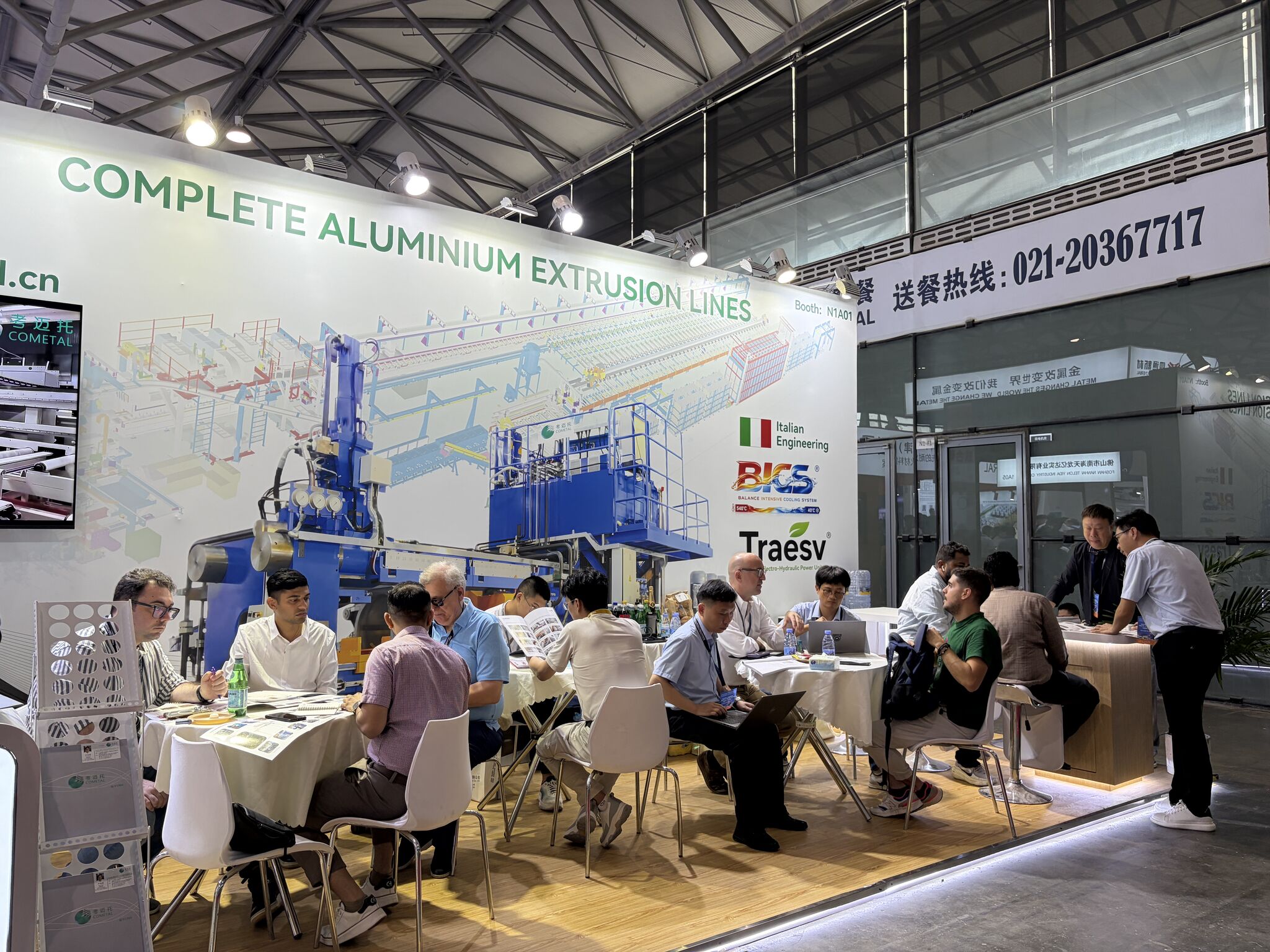
<p><span style="color: rgba(0, 0, 0, 0.9); font-family: -apple-system, system-ui, BlinkMacSystemFont, "Segoe UI", Roboto, "Helvetica Neue", "Fira Sans", Ubuntu, Oxygen, "Oxygen Sans", Cantarell, "Droid Sans", "Apple Color Emoji", "Segoe UI Emoji", "Segoe UI Emoji", "Segoe UI Symbol", "Lucida Grande", Helvetica, Arial, sans-serif; font-size: 14px; background-color: rgb(255, 255, 255);">The annual Aluminum China exhibition has come to a successful close. As we reflect on these past few days in Shanghai, we are filled with gratitude for the meaningful connections we’ve made.</span><span style="box-sizing: inherit; margin: 0px; padding: 0px; border-color: rgba(0, 0, 0, 0.9); border-style: none; border-width: 0px; border-image: none 100% / 1 / 0 stretch; font-size: 14px; vertical-align: baseline; background: none 0% 0% / auto repeat scroll padding-box border-box rgb(255, 255, 255); outline: rgba(0, 0, 0, 0.9) none 0px; font-family: -apple-system, system-ui, BlinkMacSystemFont, "Segoe UI", Roboto, "Helvetica Neue", "Fira Sans", Ubuntu, Oxygen, "Oxygen Sans", Cantarell, "Droid Sans", "Apple Color Emoji", "Segoe UI Emoji", "Segoe UI Emoji", "Segoe UI Symbol", "Lucida Grande", Helvetica, Arial, sans-serif; color: rgba(0, 0, 0, 0.9); line-height: inherit !important;"><br style="box-sizing: inherit; line-height: inherit !important;"/></span><span style="color: rgba(0, 0, 0, 0.9); font-family: -apple-system, system-ui, BlinkMacSystemFont, "Segoe UI", Roboto, "Helvetica Neue", "Fira Sans", Ubuntu, Oxygen, "Oxygen Sans", Cantarell, "Droid Sans", "Apple Color Emoji", "Segoe UI Emoji", "Segoe UI Emoji", "Segoe UI Symbol", "Lucida Grande", Helvetica, Arial, sans-serif; font-size: 14px; background-color: rgb(255, 255, 255);">Our booth became more than just a display; it turned into a hub for "annual reunions." As many of our long-term clients told us, "Meeting Cometal here in Shanghai has become a tradition." This sentiment is exactly what drives us forward. It’s more than just business; it’s a shared journey of innovation and growth in the aluminum extrusion industry.</span><span style="box-sizing: inherit; margin: 0px; padding: 0px; border-color: rgba(0, 0, 0, 0.9); border-style: none; border-width: 0px; border-image: none 100% / 1 / 0 stretch; font-size: 14px; vertical-align: baseline; background: none 0% 0% / auto repeat scroll padding-box border-box rgb(255, 255, 255); outline: rgba(0, 0, 0, 0.9) none 0px; font-family: -apple-system, system-ui, BlinkMacSystemFont, "Segoe UI", Roboto, "Helvetica Neue", "Fira Sans", Ubuntu, Oxygen, "Oxygen Sans", Cantarell, "Droid Sans", "Apple Color Emoji", "Segoe UI Emoji", "Segoe UI Emoji", "Segoe UI Symbol", "Lucida Grande", Helvetica, Arial, sans-serif; color: rgba(0, 0, 0, 0.9); line-height: inherit !important;"><br style="box-sizing: inherit; line-height: inherit !important;"/></span><span style="color: rgba(0, 0, 0, 0.9); font-family: -apple-system, system-ui, BlinkMacSystemFont, "Segoe UI", Roboto, "Helvetica Neue", "Fira Sans", Ubuntu, Oxygen, "Oxygen Sans", Cantarell, "Droid Sans", "Apple Color Emoji", "Segoe UI Emoji", "Segoe UI Emoji", "Segoe UI Symbol", "Lucida Grande", Helvetica, Arial, sans-serif; font-size: 14px; background-color: rgb(255, 255, 255);">From catching up with old friends to discussing new projects and technical challenges with potential partners, the energy was incredible. We were especially excited to hear about the new production requirements and expansion plans our clients are tackling.</span><span style="box-sizing: inherit; margin: 0px; padding: 0px; border-color: rgba(0, 0, 0, 0.9); border-style: none; border-width: 0px; border-image: none 100% / 1 / 0 stretch; font-size: 14px; vertical-align: baseline; background: none 0% 0% / auto repeat scroll padding-box border-box rgb(255, 255, 255); outline: rgba(0, 0, 0, 0.9) none 0px; font-family: -apple-system, system-ui, BlinkMacSystemFont, "Segoe UI", Roboto, "Helvetica Neue", "Fira Sans", Ubuntu, Oxygen, "Oxygen Sans", Cantarell, "Droid Sans", "Apple Color Emoji", "Segoe UI Emoji", "Segoe UI Emoji", "Segoe UI Symbol", "Lucida Grande", Helvetica, Arial, sans-serif; color: rgba(0, 0, 0, 0.9); line-height: inherit !important;"><br style="box-sizing: inherit; line-height: inherit !important;"/></span><span style="color: rgba(0, 0, 0, 0.9); font-family: -apple-system, system-ui, BlinkMacSystemFont, "Segoe UI", Roboto, "Helvetica Neue", "Fira Sans", Ubuntu, Oxygen, "Oxygen Sans", Cantarell, "Droid Sans", "Apple Color Emoji", "Segoe UI Emoji", "Segoe UI Emoji", "Segoe UI Symbol", "Lucida Grande", Helvetica, Arial, sans-serif; font-size: 14px; background-color: rgb(255, 255, 255);">At Cometal, we believe our success is measured by yours. Whether you are a partner of many years or a new contact we met this week, thank you for trusting us with your extrusion needs.</span><span style="box-sizing: inherit; margin: 0px; padding: 0px; border-color: rgba(0, 0, 0, 0.9); border-style: none; border-width: 0px; border-image: none 100% / 1 / 0 stretch; font-size: 14px; vertical-align: baseline; background: none 0% 0% / auto repeat scroll padding-box border-box rgb(255, 255, 255); outline: rgba(0, 0, 0, 0.9) none 0px; font-family: -apple-system, system-ui, BlinkMacSystemFont, "Segoe UI", Roboto, "Helvetica Neue", "Fira Sans", Ubuntu, Oxygen, "Oxygen Sans", Cantarell, "Droid Sans", "Apple Color Emoji", "Segoe UI Emoji", "Segoe UI Emoji", "Segoe UI Symbol", "Lucida Grande", Helvetica, Arial, sans-serif; color: rgba(0, 0, 0, 0.9); line-height: inherit !important;"><br style="box-sizing: inherit; line-height: inherit !important;"/></span><span style="color: rgba(0, 0, 0, 0.9); font-family: -apple-system, system-ui, BlinkMacSystemFont, "Segoe UI", Roboto, "Helvetica Neue", "Fira Sans", Ubuntu, Oxygen, "Oxygen Sans", Cantarell, "Droid Sans", "Apple Color Emoji", "Segoe UI Emoji", "Segoe UI Emoji", "Segoe UI Symbol", "Lucida Grande", Helvetica, Arial, sans-serif; font-size: 14px; background-color: rgb(255, 255, 255);">Our team is already back in Foshan, processing all the inquiries and feedback from the show. We will be reaching out soon to turn these conversations into actionable solutions for your production lines.</span><span style="box-sizing: inherit; margin: 0px; padding: 0px; border-color: rgba(0, 0, 0, 0.9); border-style: none; border-width: 0px; border-image: none 100% / 1 / 0 stretch; font-size: 14px; vertical-align: baseline; background: none 0% 0% / auto repeat scroll padding-box border-box rgb(255, 255, 255); outline: rgba(0, 0, 0, 0.9) none 0px; font-family: -apple-system, system-ui, BlinkMacSystemFont, "Segoe UI", Roboto, "Helvetica Neue", "Fira Sans", Ubuntu, Oxygen, "Oxygen Sans", Cantarell, "Droid Sans", "Apple Color Emoji", "Segoe UI Emoji", "Segoe UI Emoji", "Segoe UI Symbol", "Lucida Grande", Helvetica, Arial, sans-serif; color: rgba(0, 0, 0, 0.9); line-height: inherit !important;"><br style="box-sizing: inherit; line-height: inherit !important;"/></span><span style="color: rgba(0, 0, 0, 0.9); font-family: -apple-system, system-ui, BlinkMacSystemFont, "Segoe UI", Roboto, "Helvetica Neue", "Fira Sans", Ubuntu, Oxygen, "Oxygen Sans", Cantarell, "Droid Sans", "Apple Color Emoji", "Segoe UI Emoji", "Segoe UI Emoji", "Segoe UI Symbol", "Lucida Grande", Helvetica, Arial, sans-serif; font-size: 14px; background-color: rgb(255, 255, 255);">See you next year, or better yet—see you at your factory!</span></p><p><a class="GVhQpAUZPmbNntedqtXaIqgidncVcYxvCOHpbM " tabindex="0" href="https://www.linkedin.com/search/results/all/?keywords=%23cometal&origin=HASH_TAG_FROM_FEED" data-test-app-aware-link="" style="box-sizing: inherit; margin: 0px; padding: 0px; font-size: 14px; vertical-align: baseline; background: none 0% 0% / auto repeat scroll padding-box border-box rgb(255, 255, 255); text-decoration: rgb(10, 102, 194); font-weight: 600; border-color: rgb(10, 102, 194); border-style: none; border-width: 0px; border-image: none 100% / 1 / 0 stretch; color: rgb(10, 102, 194); font-family: -apple-system, system-ui, BlinkMacSystemFont, "Segoe UI", Roboto, "Helvetica Neue", "Fira Sans", Ubuntu, Oxygen, "Oxygen Sans", Cantarell, "Droid Sans", "Apple Color Emoji", "Segoe UI Emoji", "Segoe UI Emoji", "Segoe UI Symbol", "Lucida Grande", Helvetica, Arial, sans-serif; touch-action: manipulation; position: relative; word-break: normal; overflow-wrap: normal; white-space: normal; display: inline-block; line-height: inherit !important;"><span class="visually-hidden" style="box-sizing: inherit; vertical-align: baseline; background: none 0% 0% / auto repeat scroll padding-box border-box rgba(0, 0, 0, 0); outline: rgb(10, 102, 194) none 0px; overflow: hidden; clip: rect(1px, 1px, 1px, 1px); margin: -1px !important; padding: 0px !important; border: 0px !important; width: 1px !important; height: 1px !important; display: block !important; position: absolute !important; line-height: inherit !important;">hashtag</span><span style="box-sizing: inherit; margin: 0px; padding: 0px; border-color: rgb(10, 102, 194); border-style: none; border-width: 0px; border-image: none 100% / 1 / 0 stretch; vertical-align: baseline; background: none 0% 0% / auto repeat scroll padding-box border-box rgba(0, 0, 0, 0); outline: rgb(10, 102, 194) none 0px; line-height: inherit !important;"><span aria-hidden="true" style="box-sizing: inherit; margin: 0px; padding: 0px; border-color: rgb(10, 102, 194); border-style: none; border-width: 0px; border-image: none 100% / 1 / 0 stretch; vertical-align: baseline; background: none 0% 0% / auto repeat scroll padding-box border-box rgba(0, 0, 0, 0); outline: rgb(10, 102, 194) none 0px; line-height: inherit !important;">#</span>Cometal</span></a><span class="white-space-pre" style="box-sizing: inherit; margin: 0px; padding: 0px; border-color: rgba(0, 0, 0, 0.9); border-style: none; border-width: 0px; border-image: none 100% / 1 / 0 stretch; font-size: 14px; vertical-align: baseline; background: none 0% 0% / auto repeat scroll padding-box border-box rgb(255, 255, 255); outline: rgba(0, 0, 0, 0.9) none 0px; font-family: -apple-system, system-ui, BlinkMacSystemFont, "Segoe UI", Roboto, "Helvetica Neue", "Fira Sans", Ubuntu, Oxygen, "Oxygen Sans", Cantarell, "Droid Sans", "Apple Color Emoji", "Segoe UI Emoji", "Segoe UI Emoji", "Segoe UI Symbol", "Lucida Grande", Helvetica, Arial, sans-serif; color: rgba(0, 0, 0, 0.9); white-space: pre !important; line-height: inherit !important;"> </span><a class="GVhQpAUZPmbNntedqtXaIqgidncVcYxvCOHpbM " tabindex="0" href="https://www.linkedin.com/search/results/all/?keywords=%23aluminumextrusion&origin=HASH_TAG_FROM_FEED" data-test-app-aware-link="" style="box-sizing: inherit; margin: 0px; padding: 0px; font-size: 14px; vertical-align: baseline; background: none 0% 0% / auto repeat scroll padding-box border-box rgb(255, 255, 255); text-decoration: rgb(10, 102, 194); font-weight: 600; border-color: rgb(10, 102, 194); border-style: none; border-width: 0px; border-image: none 100% / 1 / 0 stretch; color: rgb(10, 102, 194); font-family: -apple-system, system-ui, BlinkMacSystemFont, "Segoe UI", Roboto, "Helvetica Neue", "Fira Sans", Ubuntu, Oxygen, "Oxygen Sans", Cantarell, "Droid Sans", "Apple Color Emoji", "Segoe UI Emoji", "Segoe UI Emoji", "Segoe UI Symbol", "Lucida Grande", Helvetica, Arial, sans-serif; touch-action: manipulation; position: relative; word-break: normal; overflow-wrap: normal; white-space: normal; display: inline-block; line-height: inherit !important;"><span class="visually-hidden" style="box-sizing: inherit; vertical-align: baseline; background: none 0% 0% / auto repeat scroll padding-box border-box rgba(0, 0, 0, 0); outline: rgb(10, 102, 194) none 0px; overflow: hidden; clip: rect(1px, 1px, 1px, 1px); margin: -1px !important; padding: 0px !important; border: 0px !important; width: 1px !important; height: 1px !important; display: block !important; position: absolute !important; line-height: inherit !important;">hashtag</span><span style="box-sizing: inherit; margin: 0px; padding: 0px; border-color: rgb(10, 102, 194); border-style: none; border-width: 0px; border-image: none 100% / 1 / 0 stretch; vertical-align: baseline; background: none 0% 0% / auto repeat scroll padding-box border-box rgba(0, 0, 0, 0); outline: rgb(10, 102, 194) none 0px; line-height: inherit !important;"><span aria-hidden="true" style="box-sizing: inherit; margin: 0px; padding: 0px; border-color: rgb(10, 102, 194); border-style: none; border-width: 0px; border-image: none 100% / 1 / 0 stretch; vertical-align: baseline; background: none 0% 0% / auto repeat scroll padding-box border-box rgba(0, 0, 0, 0); outline: rgb(10, 102, 194) none 0px; line-height: inherit !important;">#</span>AluminumExtrusion</span></a><span class="white-space-pre" style="box-sizing: inherit; margin: 0px; padding: 0px; border-color: rgba(0, 0, 0, 0.9); border-style: none; border-width: 0px; border-image: none 100% / 1 / 0 stretch; font-size: 14px; vertical-align: baseline; background: none 0% 0% / auto repeat scroll padding-box border-box rgb(255, 255, 255); outline: rgba(0, 0, 0, 0.9) none 0px; font-family: -apple-system, system-ui, BlinkMacSystemFont, "Segoe UI", Roboto, "Helvetica Neue", "Fira Sans", Ubuntu, Oxygen, "Oxygen Sans", Cantarell, "Droid Sans", "Apple Color Emoji", "Segoe UI Emoji", "Segoe UI Emoji", "Segoe UI Symbol", "Lucida Grande", Helvetica, Arial, sans-serif; color: rgba(0, 0, 0, 0.9); white-space: pre !important; line-height: inherit !important;"> </span><a class="GVhQpAUZPmbNntedqtXaIqgidncVcYxvCOHpbM " tabindex="0" href="https://www.linkedin.com/search/results/all/?keywords=%23aluminumchina2026&origin=HASH_TAG_FROM_FEED" data-test-app-aware-link="" style="box-sizing: inherit; margin: 0px; padding: 0px; font-size: 14px; vertical-align: baseline; background: none 0% 0% / auto repeat scroll padding-box border-box rgb(255, 255, 255); text-decoration: rgb(10, 102, 194); font-weight: 600; border-color: rgb(10, 102, 194); border-style: none; border-width: 0px; border-image: none 100% / 1 / 0 stretch; color: rgb(10, 102, 194); font-family: -apple-system, system-ui, BlinkMacSystemFont, "Segoe UI", Roboto, "Helvetica Neue", "Fira Sans", Ubuntu, Oxygen, "Oxygen Sans", Cantarell, "Droid Sans", "Apple Color Emoji", "Segoe UI Emoji", "Segoe UI Emoji", "Segoe UI Symbol", "Lucida Grande", Helvetica, Arial, sans-serif; touch-action: manipulation; position: relative; word-break: normal; overflow-wrap: normal; white-space: normal; display: inline-block; line-height: inherit !important;"><span class="visually-hidden" style="box-sizing: inherit; vertical-align: baseline; background: none 0% 0% / auto repeat scroll padding-box border-box rgba(0, 0, 0, 0); outline: rgb(10, 102, 194) none 0px; overflow: hidden; clip: rect(1px, 1px, 1px, 1px); margin: -1px !important; padding: 0px !important; border: 0px !important; width: 1px !important; height: 1px !important; display: block !important; position: absolute !important; line-height: inherit !important;">hashtag</span><span style="box-sizing: inherit; margin: 0px; padding: 0px; border-color: rgb(10, 102, 194); border-style: none; border-width: 0px; border-image: none 100% / 1 / 0 stretch; vertical-align: baseline; background: none 0% 0% / auto repeat scroll padding-box border-box rgba(0, 0, 0, 0); outline: rgb(10, 102, 194) none 0px; line-height: inherit !important;"><span aria-hidden="true" style="box-sizing: inherit; margin: 0px; padding: 0px; border-color: rgb(10, 102, 194); border-style: none; border-width: 0px; border-image: none 100% / 1 / 0 stretch; vertical-align: baseline; background: none 0% 0% / auto repeat scroll padding-box border-box rgba(0, 0, 0, 0); outline: rgb(10, 102, 194) none 0px; line-height: inherit !important;">#</span>AluminumChina2026</span></a><span class="white-space-pre" style="box-sizing: inherit; margin: 0px; padding: 0px; border-color: rgba(0, 0, 0, 0.9); border-style: none; border-width: 0px; border-image: none 100% / 1 / 0 stretch; font-size: 14px; vertical-align: baseline; background: none 0% 0% / auto repeat scroll padding-box border-box rgb(255, 255, 255); outline: rgba(0, 0, 0, 0.9) none 0px; font-family: -apple-system, system-ui, BlinkMacSystemFont, "Segoe UI", Roboto, "Helvetica Neue", "Fira Sans", Ubuntu, Oxygen, "Oxygen Sans", Cantarell, "Droid Sans", "Apple Color Emoji", "Segoe UI Emoji", "Segoe UI Emoji", "Segoe UI Symbol", "Lucida Grande", Helvetica, Arial, sans-serif; color: rgba(0, 0, 0, 0.9); white-space: pre !important; line-height: inherit !important;"> </span><a class="GVhQpAUZPmbNntedqtXaIqgidncVcYxvCOHpbM " tabindex="0" href="https://www.linkedin.com/search/results/all/?keywords=%23industryinnovation&origin=HASH_TAG_FROM_FEED" data-test-app-aware-link="" style="box-sizing: inherit; margin: 0px; padding: 0px; font-size: 14px; vertical-align: baseline; background: none 0% 0% / auto repeat scroll padding-box border-box rgb(255, 255, 255); text-decoration: rgb(10, 102, 194); font-weight: 600; border-color: rgb(10, 102, 194); border-style: none; border-width: 0px; border-image: none 100% / 1 / 0 stretch; color: rgb(10, 102, 194); font-family: -apple-system, system-ui, BlinkMacSystemFont, "Segoe UI", Roboto, "Helvetica Neue", "Fira Sans", Ubuntu, Oxygen, "Oxygen Sans", Cantarell, "Droid Sans", "Apple Color Emoji", "Segoe UI Emoji", "Segoe UI Emoji", "Segoe UI Symbol", "Lucida Grande", Helvetica, Arial, sans-serif; touch-action: manipulation; position: relative; word-break: normal; overflow-wrap: normal; white-space: normal; display: inline-block; line-height: inherit !important;"><span class="visually-hidden" style="box-sizing: inherit; vertical-align: baseline; background: none 0% 0% / auto repeat scroll padding-box border-box rgba(0, 0, 0, 0); outline: rgb(10, 102, 194) none 0px; overflow: hidden; clip: rect(1px, 1px, 1px, 1px); margin: -1px !important; padding: 0px !important; border: 0px !important; width: 1px !important; height: 1px !important; display: block !important; position: absolute !important; line-height: inherit !important;">hashtag</span><span style="box-sizing: inherit; margin: 0px; padding: 0px; border-color: rgb(10, 102, 194); border-style: none; border-width: 0px; border-image: none 100% / 1 / 0 stretch; vertical-align: baseline; background: none 0% 0% / auto repeat scroll padding-box border-box rgba(0, 0, 0, 0); outline: rgb(10, 102, 194) none 0px; line-height: inherit !important;"><span aria-hidden="true" style="box-sizing: inherit; margin: 0px; padding: 0px; border-color: rgb(10, 102, 194); border-style: none; border-width: 0px; border-image: none 100% / 1 / 0 stretch; vertical-align: baseline; background: none 0% 0% / auto repeat scroll padding-box border-box rgba(0, 0, 0, 0); outline: rgb(10, 102, 194) none 0px; line-height: inherit !important;">#</span>IndustryInnovation</span></a><span class="white-space-pre" style="box-sizing: inherit; margin: 0px; padding: 0px; border-color: rgba(0, 0, 0, 0.9); border-style: none; border-width: 0px; border-image: none 100% / 1 / 0 stretch; font-size: 14px; vertical-align: baseline; background: none 0% 0% / auto repeat scroll padding-box border-box rgb(255, 255, 255); outline: rgba(0, 0, 0, 0.9) none 0px; font-family: -apple-system, system-ui, BlinkMacSystemFont, "Segoe UI", Roboto, "Helvetica Neue", "Fira Sans", Ubuntu, Oxygen, "Oxygen Sans", Cantarell, "Droid Sans", "Apple Color Emoji", "Segoe UI Emoji", "Segoe UI Emoji", "Segoe UI Symbol", "Lucida Grande", Helvetica, Arial, sans-serif; color: rgba(0, 0, 0, 0.9); white-space: pre !important; line-height: inherit !important;"> </span><a class="GVhQpAUZPmbNntedqtXaIqgidncVcYxvCOHpbM " tabindex="0" href="https://www.linkedin.com/search/results/all/?keywords=%23extrusiontechnology&origin=HASH_TAG_FROM_FEED" data-test-app-aware-link="" style="box-sizing: inherit; margin: 0px; padding: 0px; font-size: 14px; vertical-align: baseline; background: none 0% 0% / auto repeat scroll padding-box border-box rgb(255, 255, 255); text-decoration: rgb(10, 102, 194); font-weight: 600; border-color: rgb(10, 102, 194); border-style: none; border-width: 0px; border-image: none 100% / 1 / 0 stretch; color: rgb(10, 102, 194); font-family: -apple-system, system-ui, BlinkMacSystemFont, "Segoe UI", Roboto, "Helvetica Neue", "Fira Sans", Ubuntu, Oxygen, "Oxygen Sans", Cantarell, "Droid Sans", "Apple Color Emoji", "Segoe UI Emoji", "Segoe UI Emoji", "Segoe UI Symbol", "Lucida Grande", Helvetica, Arial, sans-serif; touch-action: manipulation; position: relative; word-break: normal; overflow-wrap: normal; white-space: normal; display: inline-block; line-height: inherit !important;"><span class="visually-hidden" style="box-sizing: inherit; vertical-align: baseline; background: none 0% 0% / auto repeat scroll padding-box border-box rgba(0, 0, 0, 0); outline: rgb(10, 102, 194) none 0px; overflow: hidden; clip: rect(1px, 1px, 1px, 1px); margin: -1px !important; padding: 0px !important; border: 0px !important; width: 1px !important; height: 1px !important; display: block !important; position: absolute !important; line-height: inherit !important;">hashtag</span><span style="box-sizing: inherit; margin: 0px; padding: 0px; border-color: rgb(10, 102, 194); border-style: none; border-width: 0px; border-image: none 100% / 1 / 0 stretch; vertical-align: baseline; background: none 0% 0% / auto repeat scroll padding-box border-box rgba(0, 0, 0, 0); outline: rgb(10, 102, 194) none 0px; line-height: inherit !important;"><span aria-hidden="true" style="box-sizing: inherit; margin: 0px; padding: 0px; border-color: rgb(10, 102, 194); border-style: none; border-width: 0px; border-image: none 100% / 1 / 0 stretch; vertical-align: baseline; background: none 0% 0% / auto repeat scroll padding-box border-box rgba(0, 0, 0, 0); outline: rgb(10, 102, 194) none 0px; line-height: inherit !important;">#</span>ExtrusionTechnology</span></a><span class="white-space-pre" style="box-sizing: inherit; margin: 0px; padding: 0px; border-color: rgba(0, 0, 0, 0.9); border-style: none; border-width: 0px; border-image: none 100% / 1 / 0 stretch; font-size: 14px; vertical-align: baseline; background: none 0% 0% / auto repeat scroll padding-box border-box rgb(255, 255, 255); outline: rgba(0, 0, 0, 0.9) none 0px; font-family: -apple-system, system-ui, BlinkMacSystemFont, "Segoe UI", Roboto, "Helvetica Neue", "Fira Sans", Ubuntu, Oxygen, "Oxygen Sans", Cantarell, "Droid Sans", "Apple Color Emoji", "Segoe UI Emoji", "Segoe UI Emoji", "Segoe UI Symbol", "Lucida Grande", Helvetica, Arial, sans-serif; color: rgba(0, 0, 0, 0.9); white-space: pre !important; line-height: inherit !important;"> </span><a class="GVhQpAUZPmbNntedqtXaIqgidncVcYxvCOHpbM " tabindex="0" href="https://www.linkedin.com/search/results/all/?keywords=%23manufacturingexcellence&origin=HASH_TAG_FROM_FEED" data-test-app-aware-link="" style="box-sizing: inherit; margin: 0px; padding: 0px; font-size: 14px; vertical-align: baseline; background: none 0% 0% / auto repeat scroll padding-box border-box rgb(255, 255, 255); text-decoration: rgb(10, 102, 194); font-weight: 600; border-color: rgb(10, 102, 194); border-style: none; border-width: 0px; border-image: none 100% / 1 / 0 stretch; color: rgb(10, 102, 194); font-family: -apple-system, system-ui, BlinkMacSystemFont, "Segoe UI", Roboto, "Helvetica Neue", "Fira Sans", Ubuntu, Oxygen, "Oxygen Sans", Cantarell, "Droid Sans", "Apple Color Emoji", "Segoe UI Emoji", "Segoe UI Emoji", "Segoe UI Symbol", "Lucida Grande", Helvetica, Arial, sans-serif; touch-action: manipulation; position: relative; word-break: normal; overflow-wrap: normal; white-space: normal; display: inline-block; line-height: inherit !important;"><span class="visually-hidden" style="box-sizing: inherit; vertical-align: baseline; background: none 0% 0% / auto repeat scroll padding-box border-box rgba(0, 0, 0, 0); outline: rgb(10, 102, 194) none 0px; overflow: hidden; clip: rect(1px, 1px, 1px, 1px); margin: -1px !important; padding: 0px !important; border: 0px !important; width: 1px !important; height: 1px !important; display: block !important; position: absolute !important; line-height: inherit !important;">hashtag</span><span style="box-sizing: inherit; margin: 0px; padding: 0px; border-color: rgb(10, 102, 194); border-style: none; border-width: 0px; border-image: none 100% / 1 / 0 stretch; vertical-align: baseline; background: none 0% 0% / auto repeat scroll padding-box border-box rgba(0, 0, 0, 0); outline: rgb(10, 102, 194) none 0px; line-height: inherit !important;"><span aria-hidden="true" style="box-sizing: inherit; margin: 0px; padding: 0px; border-color: rgb(10, 102, 194); border-style: none; border-width: 0px; border-image: none 100% / 1 / 0 stretch; vertical-align: baseline; background: none 0% 0% / auto repeat scroll padding-box border-box rgba(0, 0, 0, 0); outline: rgb(10, 102, 194) none 0px; line-height: inherit !important;">#</span>ManufacturingExcellence</span></a><span class="white-space-pre" style="box-sizing: inherit; margin: 0px; padding: 0px; border-color: rgba(0, 0, 0, 0.9); border-style: none; border-width: 0px; border-image: none 100% / 1 / 0 stretch; font-size: 14px; vertical-align: baseline; background: none 0% 0% / auto repeat scroll padding-box border-box rgb(255, 255, 255); outline: rgba(0, 0, 0, 0.9) none 0px; font-family: -apple-system, system-ui, BlinkMacSystemFont, "Segoe UI", Roboto, "Helvetica Neue", "Fira Sans", Ubuntu, Oxygen, "Oxygen Sans", Cantarell, "Droid Sans", "Apple Color Emoji", "Segoe UI Emoji", "Segoe UI Emoji", "Segoe UI Symbol", "Lucida Grande", Helvetica, Arial, sans-serif; color: rgba(0, 0, 0, 0.9); white-space: pre !important; line-height: inherit !important;"> </span><a class="GVhQpAUZPmbNntedqtXaIqgidncVcYxvCOHpbM " tabindex="0" href="https://www.linkedin.com/search/results/all/?keywords=%23globalpartnership&origin=HASH_TAG_FROM_FEED" data-test-app-aware-link="" style="box-sizing: inherit; margin: 0px; padding: 0px; font-size: 14px; vertical-align: baseline; background: none 0% 0% / auto repeat scroll padding-box border-box rgb(255, 255, 255); text-decoration: rgb(10, 102, 194); font-weight: 600; border-color: rgb(10, 102, 194); border-style: none; border-width: 0px; border-image: none 100% / 1 / 0 stretch; color: rgb(10, 102, 194); font-family: -apple-system, system-ui, BlinkMacSystemFont, "Segoe UI", Roboto, "Helvetica Neue", "Fira Sans", Ubuntu, Oxygen, "Oxygen Sans", Cantarell, "Droid Sans", "Apple Color Emoji", "Segoe UI Emoji", "Segoe UI Emoji", "Segoe UI Symbol", "Lucida Grande", Helvetica, Arial, sans-serif; touch-action: manipulation; position: relative; word-break: normal; overflow-wrap: normal; white-space: normal; display: inline-block; line-height: inherit !important;"><span class="visually-hidden" style="box-sizing: inherit; vertical-align: baseline; background: none 0% 0% / auto repeat scroll padding-box border-box rgba(0, 0, 0, 0); outline: rgb(10, 102, 194) none 0px; overflow: hidden; clip: rect(1px, 1px, 1px, 1px); margin: -1px !important; padding: 0px !important; border: 0px !important; width: 1px !important; height: 1px !important; display: block !important; position: absolute !important; line-height: inherit !important;">hashtag</span><span style="box-sizing: inherit; margin: 0px; padding: 0px; border-color: rgb(10, 102, 194); border-style: none; border-width: 0px; border-image: none 100% / 1 / 0 stretch; vertical-align: baseline; background: none 0% 0% / auto repeat scroll padding-box border-box rgba(0, 0, 0, 0); outline: rgb(10, 102, 194) none 0px; line-height: inherit !important;"><span aria-hidden="true" style="box-sizing: inherit; margin: 0px; padding: 0px; border-color: rgb(10, 102, 194); border-style: none; border-width: 0px; border-image: none 100% / 1 / 0 stretch; vertical-align: baseline; background: none 0% 0% / auto repeat scroll padding-box border-box rgba(0, 0, 0, 0); outline: rgb(10, 102, 194) none 0px; line-height: inherit !important;">#</span>GlobalPartnership</span></a></p>
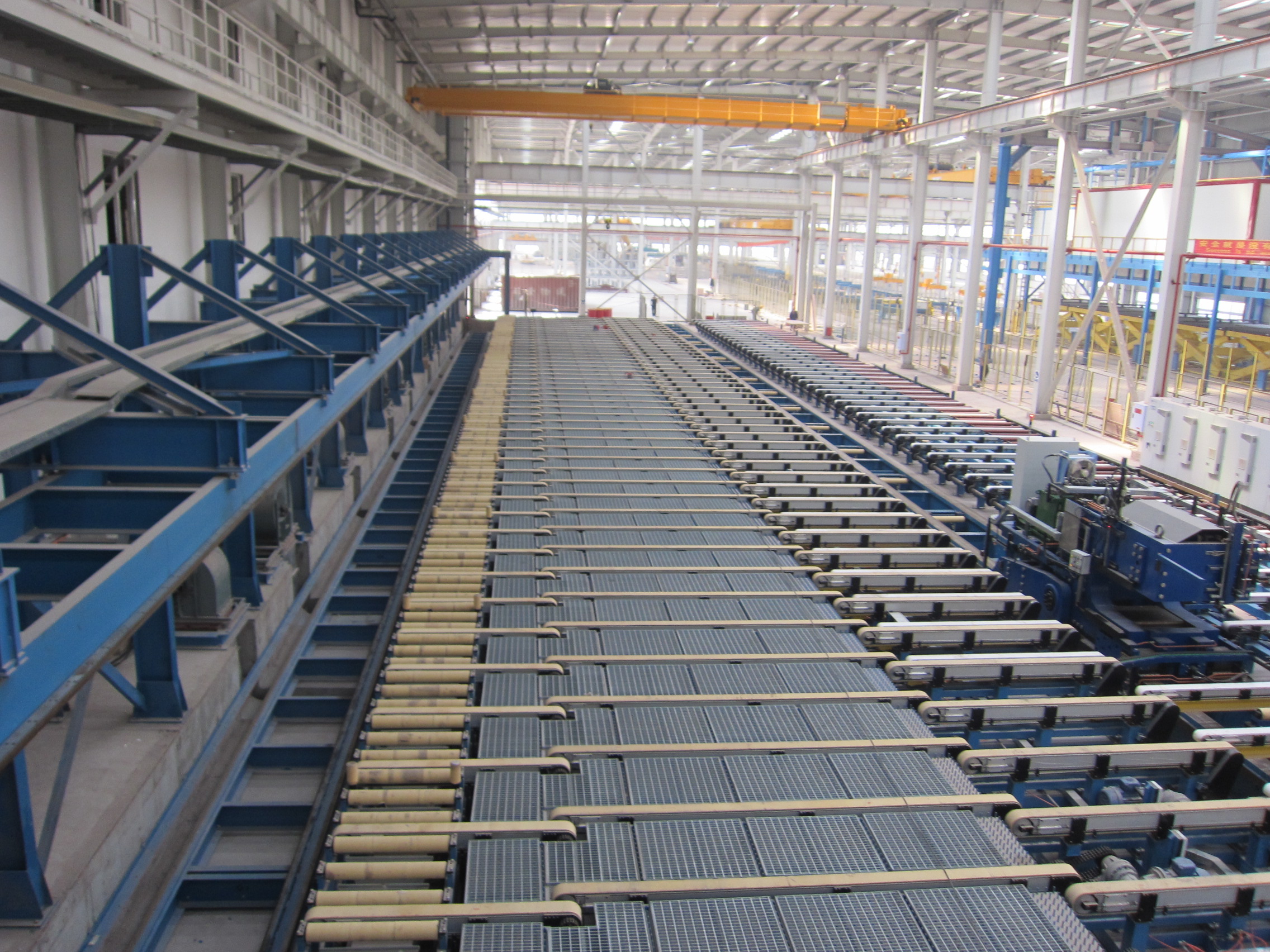
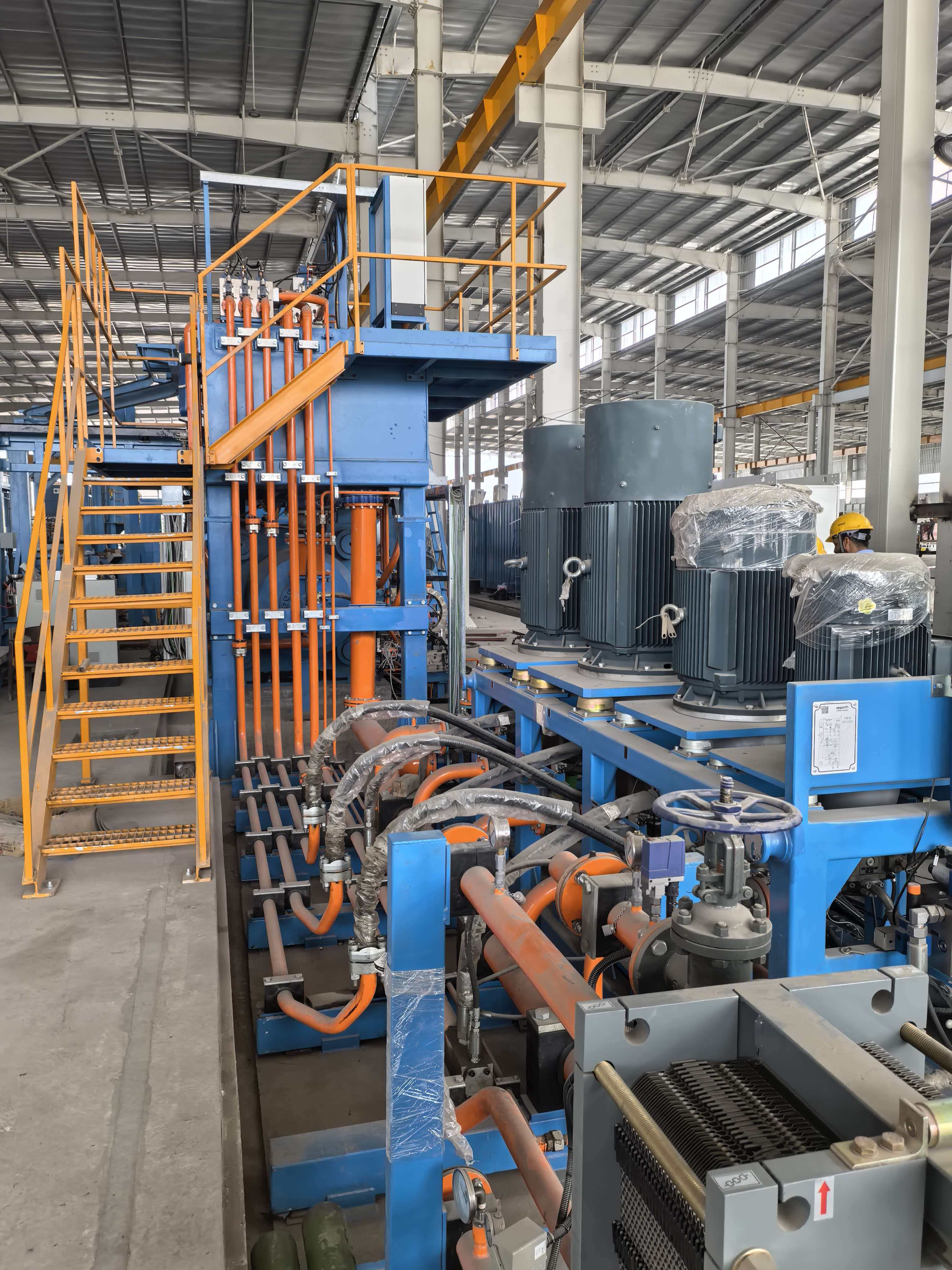
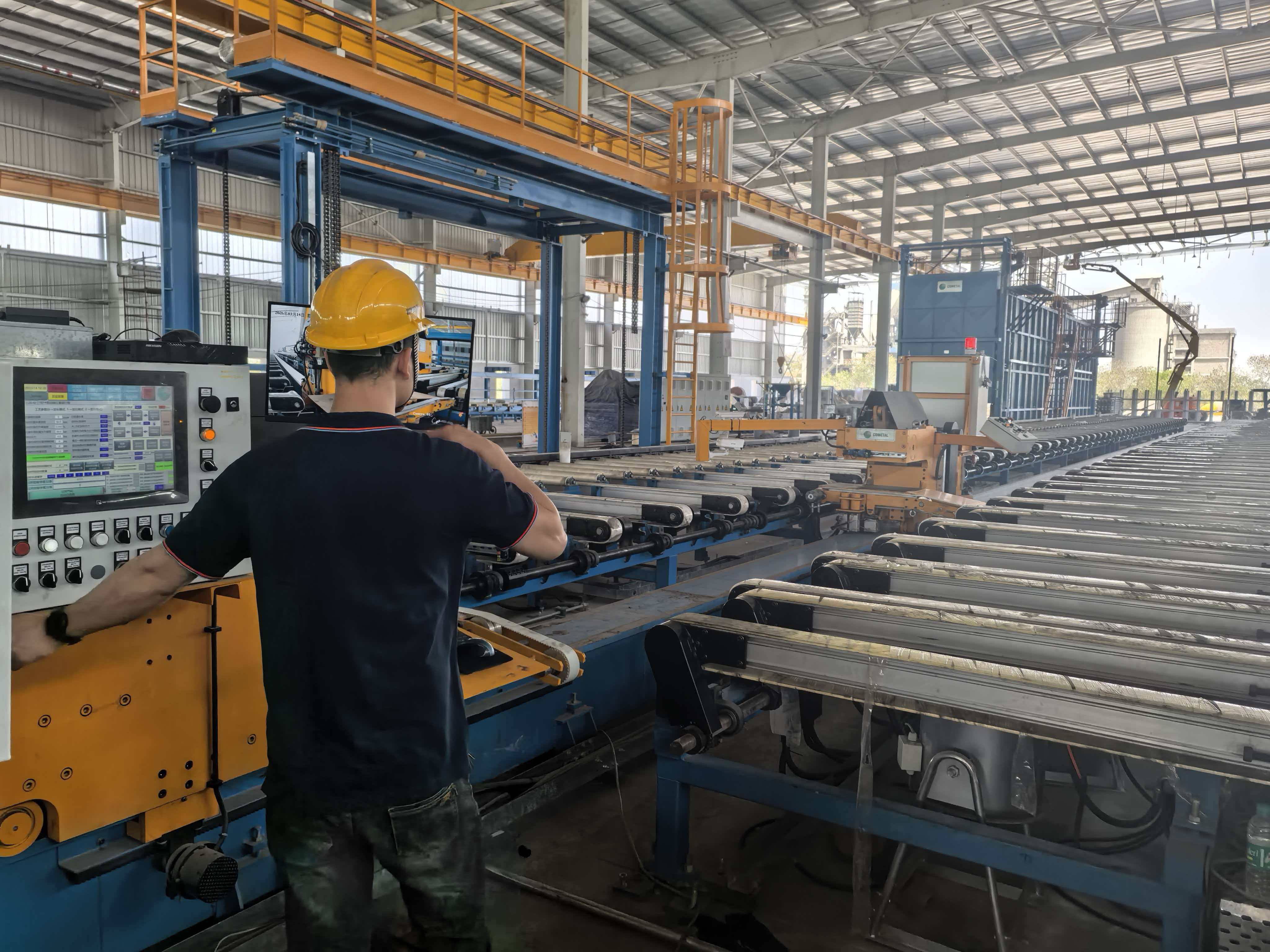
Company dynamics
2026-08-03
Reducing Energy Use and Unplanned Downtime in Existing Aluminum Extrusion Lines: A Staged Revamping Guide
<h1><strong><span style="font-family: Calibri;color: rgb(46, 116, 181);font-size: 21px">1. Establish an Evidence Baseline Before Selecting a Revamp</span></strong></h1><p><span style="font-family: Calibri;color: rgb(34, 34, 34);font-size: 15px">Energy loss and unplanned downtime rarely originate from one visible fault. They often emerge from an interaction between billet heating, hydraulic condition, control response, cooling, handling, maintenance routines, and changing production demand. A revamping program should therefore begin with evidence rather than a preferred equipment list. The evidence baseline should identify where the line loses availability, where it consumes utilities, where quality varies, and where operators routinely compensate for a recurring weakness.</span></p><p><span style="font-family: Calibri;color: rgb(34, 34, 34);font-size: 15px">The relevant starting point is Cometal ’s aluminum extrusion line revamping solution, which describes upgrades to mechanical equipment, controls, process logic, heating, cooling, and automation. It is a vendor example rather than independent proof of a result. A plant should apply the same baseline and acceptance discipline to this or any other proposal, especially when a claimed benefit depends on site-specific operating conditions.</span></p><h2><strong><span style="font-family: Calibri;color: rgb(46, 116, 181);font-size: 17px">1.1 Measure the Condition of the Existing Line</span></strong></h2><p><span style="font-family: Calibri;color: rgb(34, 34, 34);font-size: 15px">The baseline should use a defined period and a consistent production context. Useful indicators include energy per unit output, planned and unplanned downtime, mean duration of a stop, repeat fault modes, scrap or rework associated with a process disruption, maintenance labor, and operator interventions. A simple log of total downtime is insufficient because it cannot distinguish a short nuisance alarm from a recurring failure that disrupts a full production sequence.</span></p><h3><strong><span style="font-family: Calibri;color: rgb(31, 77, 120);font-size: 15px">1.1.1 Separate Production-Mix Effects from Equipment Effects</span></strong></h3><p><span style="font-family: Calibri;color: rgb(34, 34, 34);font-size: 15px">A line may appear less efficient when it is running a more difficult product mix, shorter orders, or a different alloy condition. The baseline should therefore retain enough context to explain changes in output and energy. This does not require a perfect model. It requires transparent boundaries so that an upgrade is judged on comparable operating conditions rather than on a before-and-after narrative with different production assumptions.</span></p><p><span style="font-family: Calibri;color: rgb(34, 34, 34);font-size: 15px"> </span></p><h1><strong><span style="font-family: Calibri;color: rgb(46, 116, 181);font-size: 21px">2. Locate Energy Losses and Downtime Risks Across the Process</span></strong></h1><p><span style="font-family: Calibri;color: rgb(34, 34, 34);font-size: 15px">A staged program works best when it treats the line as a connected process. Billet heating influences the input condition to the press. Hydraulic pressure stability influences the press response. Cooling and puller coordination influence downstream flow. Stretching, cutting, stacking, and logistics determine whether profiles continue to move without damage, delay, or manual workaround. The most expensive loss may appear at one point but be caused by another module or interface.</span></p><p style="margin-top:11px;margin-bottom:5px;page-break-after:avoid"><strong><span style="font-family: Calibri;color: rgb(31, 77, 120);font-size: 14px">Table 1. Energy and Downtime Diagnostic Map</span></strong></p><table cellspacing="0" width="624"><tbody><tr class="firstRow"><td width="147" valign="center" style="padding: 5px 8px; border-width: 1px; border-style: solid; border-color: windowtext; background: rgb(232, 238, 245);"><p style="margin-bottom:0;text-align:center"><strong><span style="font-family: Calibri;color: rgb(23, 50, 77);font-size: 13px">Process Area</span></strong></p></td><td width="240" valign="center" style="padding: 5px 8px; border-width: 1px; border-style: solid; border-color: windowtext; background: rgb(232, 238, 245);"><p style="margin-bottom:0;text-align:center"><strong><span style="font-family: Calibri;color: rgb(23, 50, 77);font-size: 13px">Evidence Signal</span></strong></p></td><td width="237" valign="center" style="padding: 5px 8px; border-width: 1px; border-style: solid; border-color: windowtext; background: rgb(232, 238, 245);"><p style="margin-bottom:0;text-align:center"><strong><span style="font-family: Calibri;color: rgb(23, 50, 77);font-size: 13px">Potential Intervention</span></strong></p></td></tr><tr><td width="147" valign="center" style="padding: 5px 8px; border-width: medium 1px 1px; border-style: none solid solid; border-color: currentcolor windowtext windowtext; background: rgb(244, 246, 249);"><p style="margin-bottom:0;text-align:center;line-height:114%"><strong><span style="font-family: Calibri;color: rgb(34, 34, 34);font-size: 13px">Billet heating</span></strong></p></td><td width="240" valign="center" style="padding: 5px 8px; border-width: medium 1px 1px; border-style: none solid solid; border-color: currentcolor windowtext windowtext;"><p style="margin-bottom: 0;line-height: 114%"><span style="font-family: Calibri;color: rgb(34, 34, 34);font-size: 13px">Temperature variation, delay, fuel or power trend, repeated manual correction</span></p></td><td width="237" valign="center" style="padding: 5px 8px; border-width: medium 1px 1px; border-style: none solid solid; border-color: currentcolor windowtext windowtext;"><p style="margin-bottom: 0;line-height: 114%"><span style="font-family: Calibri;color: rgb(34, 34, 34);font-size: 13px">Review zoning, sensing, transfer logic, insulation condition, and maintenance access</span></p></td></tr><tr><td width="147" valign="center" style="padding: 5px 8px; border-width: medium 1px 1px; border-style: none solid solid; border-color: currentcolor windowtext windowtext; background: rgb(244, 246, 249);"><p style="margin-bottom: 0;line-height: 114%"><strong><span style="font-family: Calibri;color: rgb(34, 34, 34);font-size: 13px">Hydraulics and drives</span></strong></p></td><td width="240" valign="center" style="padding: 5px 8px; border-width: medium 1px 1px; border-style: none solid solid; border-color: currentcolor windowtext windowtext;"><p style="margin-bottom: 0;line-height: 114%"><span style="font-family: Calibri;color: rgb(34, 34, 34);font-size: 13px">Pressure instability, leakage, abnormal heat, slow response, repeat alarms</span></p></td><td width="237" valign="center" style="padding: 5px 8px; border-width: medium 1px 1px; border-style: none solid solid; border-color: currentcolor windowtext windowtext;"><p style="margin-bottom: 0;line-height: 114%"><span style="font-family: Calibri;color: rgb(34, 34, 34);font-size: 13px">Assess pipelines, components, cooling, control response, and safe isolation</span></p></td></tr><tr><td width="147" valign="center" style="padding: 5px 8px; border-width: medium 1px 1px; border-style: none solid solid; border-color: currentcolor windowtext windowtext; background: rgb(244, 246, 249);"><p style="margin-bottom: 0;line-height: 114%"><strong><span style="font-family: Calibri;color: rgb(34, 34, 34);font-size: 13px">Cooling and handling</span></strong></p></td><td width="240" valign="center" style="padding: 5px 8px; border-width: medium 1px 1px; border-style: none solid solid; border-color: currentcolor windowtext windowtext;"><p style="margin-bottom: 0;line-height: 114%"><span style="font-family: Calibri;color: rgb(34, 34, 34);font-size: 13px">Queue formation, inconsistent cooling, profile marks, puller interruptions</span></p></td><td width="237" valign="center" style="padding: 5px 8px; border-width: medium 1px 1px; border-style: none solid solid; border-color: currentcolor windowtext windowtext;"><p style="margin-bottom: 0;line-height: 114%"><span style="font-family: Calibri;color: rgb(34, 34, 34);font-size: 13px">Review cooling control, puller coordination, handoffs, and material-flow logic</span></p></td></tr><tr><td width="147" valign="center" style="padding: 5px 8px; border-width: medium 1px 1px; border-style: none solid solid; border-color: currentcolor windowtext windowtext; background: rgb(244, 246, 249);"><p style="margin-bottom: 0;line-height: 114%"><strong><span style="font-family: Calibri;color: rgb(34, 34, 34);font-size: 13px">Finishing and logistics</span></strong></p></td><td width="240" valign="center" style="padding: 5px 8px; border-width: medium 1px 1px; border-style: none solid solid; border-color: currentcolor windowtext windowtext;"><p style="margin-bottom: 0;line-height: 114%"><span style="font-family: Calibri;color: rgb(34, 34, 34);font-size: 13px">Stretching, saw, stacking, or aging stops that block the press</span></p></td><td width="237" valign="center" style="padding: 5px 8px; border-width: medium 1px 1px; border-style: none solid solid; border-color: currentcolor windowtext windowtext;"><p style="margin-bottom: 0;line-height: 114%"><span style="font-family: Calibri;color: rgb(34, 34, 34);font-size: 13px">Map bottlenecks, signals, buffer limits, access paths, and restart procedure</span></p></td></tr></tbody></table><p style="margin-top:5px;margin-bottom:11px"><span style="font-family: Calibri;color: rgb(91, 103, 112);font-size: 13px">Use: These criteria support structured discussion and should be verified against production records, layouts, and supplier documentation.</span></p><h2><strong><span style="font-family: Calibri;color: rgb(46, 116, 181);font-size: 17px">2.1 Do Not Treat Energy and Reliability as Separate Projects</span></strong></h2><p><span style="font-family: Calibri;color: rgb(34, 34, 34);font-size: 15px">Some interventions influence both energy and reliability. A heating system that is poorly controlled can consume more energy while also creating an unstable billet condition. A hydraulic issue may waste energy, create a maintenance burden, and reduce production stability. Conversely, a control upgrade that provides better diagnostic visibility may reduce time spent locating a fault without producing a direct utility reduction. The value of each project should be stated precisely, with no assumption that every automation change creates an energy benefit.</span></p><h2><strong><span style="font-family: Calibri;color: rgb(46, 116, 181);font-size: 17px">2.2 Trace the Failure Path Before Replacing a Module</span></strong></h2><p><span style="font-family: Calibri;color: rgb(34, 34, 34);font-size: 15px">A repeat stop should be traced from its first observable signal through the response sequence and its production consequence. The review may show that the apparent failed module is only the point at which a different constraint becomes visible. A puller interruption, for example, can be connected to cooling behavior, control timing, profile handling, or a downstream queue. The aim is to collect enough evidence to identify the intervention that changes the underlying condition rather than simply replacing the most visible component.</span></p><p><span style="font-family: Calibri;color: rgb(34, 34, 34);font-size: 15px">The failure path should record alarm history, physical observation, operating condition, frequency, recovery time, temporary workaround, and the affected product. This record can expose a pattern that is not visible in a maintenance work order. It also gives suppliers a clearer technical brief and allows the plant to reject interventions that solve a symptom while leaving the most costly process risk unchanged.</span></p><p><span style="font-family: Calibri;color: rgb(34, 34, 34);font-size: 15px"> </span></p><h1><strong><span style="font-family: Calibri;color: rgb(46, 116, 181);font-size: 21px">3. Choose a Staged Revamping Sequence</span></strong></h1><p><span style="font-family: Calibri;color: rgb(34, 34, 34);font-size: 15px">The aim of staged revamping is to improve the highest-impact constraints while avoiding an unnecessary full shutdown. The sequence should be based on safety, production risk, energy burden, technical dependency, and the feasible installation window. Work that changes a control interface may need to precede a mechanical module replacement. Work that affects a shared safety circuit may need a broader review. A credible plan makes these dependencies visible before procurement starts.</span></p><p style="margin-top:11px;margin-bottom:5px;page-break-after:avoid"><strong><span style="font-family: Calibri;color: rgb(31, 77, 120);font-size: 14px">Table 2. Staged Revamping Intervention Matrix</span></strong></p><table cellspacing="0" width="624"><tbody><tr class="firstRow"><td width="200" valign="center" style="padding: 5px 8px; border-width: 1px; border-style: solid; border-color: windowtext; background: rgb(232, 238, 245);"><p style="margin-bottom:0;text-align:center"><strong><span style="font-family: Calibri;color: rgb(23, 50, 77);font-size: 13px">Decision Factor</span></strong></p></td><td width="100" valign="center" style="padding: 5px 8px; border-width: 1px; border-style: solid; border-color: windowtext; background: rgb(232, 238, 245);"><p style="margin-bottom:0;text-align:center"><strong><span style="font-family: Calibri;color: rgb(23, 50, 77);font-size: 13px">Relative Weight</span></strong></p></td><td width="324" valign="center" style="padding: 5px 8px; border-width: 1px; border-style: solid; border-color: windowtext; background: rgb(232, 238, 245);"><p style="margin-bottom:0;text-align:center"><strong><span style="font-family: Calibri;color: rgb(23, 50, 77);font-size: 13px">Practical Test</span></strong></p></td></tr><tr><td width="200" valign="center" style="padding: 5px 8px; border-width: medium 1px 1px; border-style: none solid solid; border-color: currentcolor windowtext windowtext; background: rgb(244, 246, 249);"><p style="margin-bottom: 0;line-height: 114%"><strong><span style="font-family: Calibri;color: rgb(34, 34, 34);font-size: 13px">Unplanned downtime impact</span></strong></p></td><td width="100" valign="center" style="padding: 5px 8px; border-width: medium 1px 1px; border-style: none solid solid; border-color: currentcolor windowtext windowtext;"><p style="margin-bottom:0;text-align:center;line-height:114%"><span style="font-family: Calibri;color: rgb(34, 34, 34);font-size: 13px">30%</span></p></td><td width="324" valign="center" style="padding: 5px 8px; border-width: medium 1px 1px; border-style: none solid solid; border-color: currentcolor windowtext windowtext;"><p style="margin-bottom: 0;line-height: 114%"><span style="font-family: Calibri;color: rgb(34, 34, 34);font-size: 13px">Does the fault interrupt the press or create repeated recovery work?</span></p></td></tr><tr><td width="200" valign="center" style="padding: 5px 8px; border-width: medium 1px 1px; border-style: none solid solid; border-color: currentcolor windowtext windowtext; background: rgb(244, 246, 249);"><p style="margin-bottom: 0;line-height: 114%"><strong><span style="font-family: Calibri;color: rgb(34, 34, 34);font-size: 13px">Safety and quality risk</span></strong></p></td><td width="100" valign="center" style="padding: 5px 8px; border-width: medium 1px 1px; border-style: none solid solid; border-color: currentcolor windowtext windowtext;"><p style="margin-bottom:0;text-align:center;line-height:114%"><span style="font-family: Calibri;color: rgb(34, 34, 34);font-size: 13px">25%</span></p></td><td width="324" valign="center" style="padding: 5px 8px; border-width: medium 1px 1px; border-style: none solid solid; border-color: currentcolor windowtext windowtext;"><p style="margin-bottom: 0;line-height: 114%"><span style="font-family: Calibri;color: rgb(34, 34, 34);font-size: 13px">Could the condition affect guarding, stable operation, or profile acceptance?</span></p></td></tr><tr><td width="200" valign="center" style="padding: 5px 8px; border-width: medium 1px 1px; border-style: none solid solid; border-color: currentcolor windowtext windowtext; background: rgb(244, 246, 249);"><p style="margin-bottom:0;text-align:center;line-height:114%"><strong><span style="font-family: Calibri;color: rgb(34, 34, 34);font-size: 13px">Energy burden</span></strong></p></td><td width="100" valign="center" style="padding: 5px 8px; border-width: medium 1px 1px; border-style: none solid solid; border-color: currentcolor windowtext windowtext;"><p style="margin-bottom:0;text-align:center;line-height:114%"><span style="font-family: Calibri;color: rgb(34, 34, 34);font-size: 13px">25%</span></p></td><td width="324" valign="center" style="padding: 5px 8px; border-width: medium 1px 1px; border-style: none solid solid; border-color: currentcolor windowtext windowtext;"><p style="margin-bottom: 0;line-height: 114%"><span style="font-family: Calibri;color: rgb(34, 34, 34);font-size: 13px">Is the utility effect measured under comparable operating conditions?</span></p></td></tr><tr><td width="200" valign="center" style="padding: 5px 8px; border-width: medium 1px 1px; border-style: none solid solid; border-color: currentcolor windowtext windowtext; background: rgb(244, 246, 249);"><p style="margin-bottom: 0;line-height: 114%"><strong><span style="font-family: Calibri;color: rgb(34, 34, 34);font-size: 13px">Implementation risk</span></strong></p></td><td width="100" valign="center" style="padding: 5px 8px; border-width: medium 1px 1px; border-style: none solid solid; border-color: currentcolor windowtext windowtext;"><p style="margin-bottom:0;text-align:center;line-height:114%"><span style="font-family: Calibri;color: rgb(34, 34, 34);font-size: 13px">20%</span></p></td><td width="324" valign="center" style="padding: 5px 8px; border-width: medium 1px 1px; border-style: none solid solid; border-color: currentcolor windowtext windowtext;"><p style="margin-bottom: 0;line-height: 114%"><span style="font-family: Calibri;color: rgb(34, 34, 34);font-size: 13px">Can the work be isolated, commissioned, and returned to service within a controlled window?</span></p></td></tr></tbody></table><p style="margin-top:5px;margin-bottom:11px"><span style="font-family: Calibri;color: rgb(91, 103, 112);font-size: 13px">Use: These criteria support structured discussion and should be verified against production records, layouts, and supplier documentation.</span></p><h2><strong><span style="font-family: Calibri;color: rgb(46, 116, 181);font-size: 17px">3.1 Stage One: Audit, Safety, and Data Quality</span></strong></h2><p><span style="font-family: Calibri;color: rgb(34, 34, 34);font-size: 15px">The first stage should correct any condition that prevents reliable diagnosis or creates an unacceptable safety exposure. It may include sensor checks, alarm rationalization, drawings, electrical and hydraulic documentation, condition assessment, and the collection of a usable operating baseline. This stage often produces fewer visible changes than a major equipment installation, but it prevents later investment from being based on missing information or a misunderstood fault pattern.</span></p><h2><strong><span style="font-family: Calibri;color: rgb(46, 116, 181);font-size: 17px">3.2 Stage Two: Controls and Diagnostic Visibility</span></strong></h2><p><span style="font-family: Calibri;color: rgb(34, 34, 34);font-size: 15px">Controls modernization should be assessed by what it allows a plant to observe, verify, and recover, not by its novelty. The useful questions are whether operators can identify the state of an affected module, whether maintenance can trace a repeat event, whether alarms have clear ownership, and whether the revised controls remain compatible with upstream and downstream equipment. Remote access can support troubleshooting, but it does not replace safe local inspection, documented procedures, or trained maintenance staff.</span></p><h2><strong><span style="font-family: Calibri;color: rgb(46, 116, 181);font-size: 17px">3.3 Stage Three: Targeted Mechanical and Thermal Work</span></strong></h2><p><span style="font-family: Calibri;color: rgb(34, 34, 34);font-size: 15px">After the audit and control boundaries are understood, the plant can schedule targeted work on the constrained subsystem. This may concern heating, hydraulic components, cooling, handling, or finishing equipment. The sequence should state which work can be prepared while the line operates, which work requires isolation, and which interfaces must be tested before normal production resumes. A phased plan is valuable only when its dependencies are realistic and its handovers are documented.</span></p><p><span style="font-family: Calibri;color: rgb(34, 34, 34);font-size: 15px">At this stage, the investment decision should distinguish repair, modernization, and replacement. Repair restores a condition. Modernization changes capability or visibility. Replacement changes the asset boundary and may create new controls, safety, foundation, or logistics obligations. Treating these as different decisions makes the cost and disruption of each option easier to compare.</span></p><p><span style="font-family: Calibri;color: rgb(34, 34, 34);font-size: 15px"> </span></p><h1><strong><span style="font-family: Calibri;color: rgb(46, 116, 181);font-size: 21px">4. Upgrade Modules Without Breaking Process Continuity</span></strong></h1><h2><strong><span style="font-family: Calibri;color: rgb(46, 116, 181);font-size: 17px">4.1 Heating and Thermal Control</span></strong></h2><p><span style="font-family: Calibri;color: rgb(34, 34, 34);font-size: 15px">Heating upgrades should be evaluated against the billet range, transfer sequence, sensing approach, thermal uniformity, and actual operating schedule. The goal is not simply to install a more recent furnace or control package. It is to establish whether the revised system maintains the intended billet condition with fewer avoidable deviations and whether the performance can be checked in routine operation. Energy data should be normalized to a clear production boundary before it is used to support a claim.</span></p><h2><strong><span style="font-family: Calibri;color: rgb(46, 116, 181);font-size: 17px">4.2 Hydraulics, Drives, and Press Response</span></strong></h2><p><span style="font-family: Calibri;color: rgb(34, 34, 34);font-size: 15px">Hydraulic and drive work may address wear, leakage, heat, pressure stability, response behavior, energy use, or maintenance access. These topics overlap, but they should not be collapsed into one promise. The engineering review should identify the failure mode, the replacement or modernization scope, isolation requirements, control dependencies, documentation updates, and the functional checks required before the press returns to normal operation.</span></p><h3><strong><span style="font-family: Calibri;color: rgb(31, 77, 120);font-size: 15px">4.2.1 Serviceability Design Criteria</span></strong></h3><h4><strong><span style="font-family: Calibri;color: rgb(31, 77, 120);font-size: 14px">4.2.1.1 Preserve Safe Isolation and Maintenance Access</span></strong></h4><p><span style="font-family: Calibri;color: rgb(34, 34, 34);font-size: 15px">A revamp that improves a component but makes routine service difficult can transfer the problem to maintenance. Access routes, isolation points, clear labeling, spare-parts information, and realistic service procedures should be reviewed before installation. The same applies to automated systems: a plant needs a safe way to understand an alarm, isolate the affected equipment, and restore the line without relying on improvised intervention.</span></p><h2><strong><span style="font-family: Calibri;color: rgb(46, 116, 181);font-size: 17px">4.3 Cooling, Handling, and Finishing Interfaces</span></strong></h2><p><span style="font-family: Calibri;color: rgb(34, 34, 34);font-size: 15px">Downstream changes should be reviewed by tracing the profile from the press exit to the final logistics point. A cooling adjustment may alter puller timing. A new handling sequence may affect stretcher availability. A saw or stacker change may create a queue that reaches back to the press. The Cometal downstream equipment page illustrates the scope of these connected units, including cooling, pulling, stretching, cutting, aging, stacking, and logistics. Plant-specific evidence is still necessary to determine the actual constraint.</span></p><h2><strong><span style="font-family: Calibri;color: rgb(46, 116, 181);font-size: 17px">4.4 Automate Decisions Only After the Process Logic Is Stable</span></strong></h2><p><span style="font-family: Calibri;color: rgb(34, 34, 34);font-size: 15px">Automation can reduce manual intervention, but it should be introduced after the plant understands the operating logic it will automate. If an alarm sequence, material handoff, or recovery process is already unclear, adding automated control may make the underlying confusion harder to diagnose. The project should first define the normal state, safe stop, fault indication, restart authority, and the evidence required to confirm that the system has returned to normal operation.</span></p><p><span style="font-family: Calibri;color: rgb(34, 34, 34);font-size: 15px">Where an automated module is added to an older line, its information requirements deserve the same attention as its mechanical installation. The team should define signal ownership, time synchronization, message priorities, data retention, and the action expected from operators and maintenance personnel. This prevents a potentially useful diagnostic system from becoming an additional source of unstructured alarms.</span></p><p><span style="font-family: Calibri;color: rgb(34, 34, 34);font-size: 15px"> </span></p><h1><strong><span style="font-family: Calibri;color: rgb(46, 116, 181);font-size: 21px">5. Plan the Installation Window and Return to Service</span></strong></h1><p><span style="font-family: Calibri;color: rgb(34, 34, 34);font-size: 15px">Production continuity does not mean eliminating every shutdown. It means making the shutdown deliberate, bounded, and tied to a commissioning plan. The project should distinguish work that can be completed during short maintenance windows from work requiring a longer outage. It should specify how the plant will isolate equipment, protect work in progress, test control interfaces, validate safety functions, and return the line to normal operation without confusing an installation event with a production trial.</span></p><p><span style="font-family: Calibri;color: rgb(34, 34, 34);font-size: 15px">Before handover, the team should agree on a run plan that uses representative production conditions. The plan should identify the responsible engineer, required materials, success criteria, alarm review, support availability, documentation updates, and the conditions that would stop the trial. This is also the point to confirm whether the observed outcome is consistent with the original baseline or whether the production context has changed enough to require a revised evaluation.</span></p><h2><strong><span style="font-family: Calibri;color: rgb(46, 116, 181);font-size: 17px">5.1 Treat Commissioning as a Controlled Evidence Event</span></strong></h2><p><span style="font-family: Calibri;color: rgb(34, 34, 34);font-size: 15px">Commissioning should produce a record, not just an impression that the line is running. The record can include the configuration tested, representative profile condition, stop events, alarm behavior, measured utility data, quality observations, operator feedback, and any deviations from the agreed scope. It should also identify the remaining actions before the result is accepted as normal production performance. This reduces the risk that a temporary commissioning workaround becomes an undocumented operating method.</span></p><p><span style="font-family: Calibri;color: rgb(34, 34, 34);font-size: 15px"> </span></p><h1><strong><span style="font-family: Calibri;color: rgb(46, 116, 181);font-size: 21px">6. Verify the Result After the Upgrade</span></strong></h1><p><span style="font-family: Calibri;color: rgb(34, 34, 34);font-size: 15px">A completed installation is not the end of a revamping program. The plant should compare post-upgrade data against the documented baseline, using the same boundary and production context where possible. The review can include availability, stop frequency, time to recover, energy per unit output, quality variation, maintenance effort, and operator interventions. It should state both the improvement and the remaining limitation. This protects the investment decision from broad claims that cannot be sustained by operating evidence.</span></p><p style="margin-left:36px"><span style="font-family: Calibri;color: rgb(34, 34, 34);font-size: 15px">1. </span><span style="font-family: Calibri;color: rgb(34, 34, 34);font-size: 15px">Confirm that safety functions, alarms, interfaces, and documentation match the installed condition.</span></p><p style="margin-left:36px"><span style="font-family: Calibri;color: rgb(34, 34, 34);font-size: 15px">2. </span><span style="font-family: Calibri;color: rgb(34, 34, 34);font-size: 15px">Run representative production conditions and record operating boundaries, stops, and quality observations.</span></p><p style="margin-left:36px"><span style="font-family: Calibri;color: rgb(34, 34, 34);font-size: 15px">3. </span><span style="font-family: Calibri;color: rgb(34, 34, 34);font-size: 15px">Compare energy and reliability data with the defined baseline rather than an unmatched historic period.</span></p><p style="margin-left:36px"><span style="font-family: Calibri;color: rgb(34, 34, 34);font-size: 15px">4. </span><span style="font-family: Calibri;color: rgb(34, 34, 34);font-size: 15px">Document unresolved constraints and assign a next review point before declaring the program complete.</span></p><p style="margin-bottom:5px;line-height:120%"><span style="font-family: Calibri;font-size: 15px"> </span></p><h1><strong><span style="font-family: Calibri;color: rgb(46, 116, 181);font-size: 21px">7. Conclusion</span></strong></h1><p><span style="font-family: Calibri;color: rgb(34, 34, 34);font-size: 15px">A useful extrusion-line revamp starts by identifying the constraint, not by selecting a technology. The most durable program connects energy, reliability, quality, safety, and implementation risk through a staged evidence record. Cometal ’s extrusion-line revamping scope can be reviewed as a supplier example when a plant needs to compare module boundaries, installation planning, service responsibilities, and acceptance evidence against its own operating baseline.</span></p><p><span style="font-family: Calibri;color: rgb(34, 34, 34);font-size: 15px">The project should also establish ownership after handover. Operations may own routine performance review, maintenance may own recurring-fault analysis, and engineering may own changes to controls or mechanical interfaces. Assigning these responsibilities prevents post-project data from becoming an archive with no decision purpose. It also gives the plant a structured basis for deciding whether the next intervention should be a local correction, a further staged upgrade, or a broader capital project.</span></p><p><span style="font-family: Calibri;color: rgb(34, 34, 34);font-size: 15px"> </span></p><h1><strong><span style="font-family: Calibri;color: rgb(46, 116, 181);font-size: 21px">8. Frequently Asked Questions</span></strong></h1><h2><strong><span style="font-family: Calibri;color: rgb(46, 116, 181);font-size: 17px">Questions and Answers</span></strong></h2><h3 style="margin-top:11px"><strong><span style="font-family: Calibri;color: rgb(31, 77, 120);font-size: 15px">Q1: When should a plant consider revamping instead of replacing an extrusion line?</span></strong></h3><p style="margin-bottom:12px"><strong><span style="font-family: Calibri;color: rgb(34, 34, 34);font-size: 15px">A: </span></strong><span style="font-family: Calibri;color: rgb(34, 34, 34);font-size: 15px">Revamping may be appropriate when the core asset remains suitable but controls, heating, hydraulics, cooling, handling, or diagnostics create a measurable constraint. Safety, structural condition, and compatibility must be reviewed first.</span></p><h3 style="margin-top:11px"><strong><span style="font-family: Calibri;color: rgb(31, 77, 120);font-size: 15px">Q2: Which metric should be measured before an energy upgrade?</span></strong></h3><p style="margin-bottom:12px"><strong><span style="font-family: Calibri;color: rgb(34, 34, 34);font-size: 15px">A: </span></strong><span style="font-family: Calibri;color: rgb(34, 34, 34);font-size: 15px">Use a defined production boundary and period. Energy per unit output, product mix, operating hours, and relevant process conditions should be retained so that later comparison is meaningful.</span></p><h3 style="margin-top:11px"><strong><span style="font-family: Calibri;color: rgb(31, 77, 120);font-size: 15px">Q3: How can downtime be reduced without a full production shutdown?</span></strong></h3><p style="margin-bottom:12px"><strong><span style="font-family: Calibri;color: rgb(34, 34, 34);font-size: 15px">A: </span></strong><span style="font-family: Calibri;color: rgb(34, 34, 34);font-size: 15px">Use a staged plan that separates audit work, controls changes, module replacements, and commissioning. Each stage should have a feasible isolation method, test plan, and return-to-service criteria.</span></p><h3 style="margin-top:11px"><strong><span style="font-family: Calibri;color: rgb(31, 77, 120);font-size: 15px">Q4: Why should a revamp include downstream equipment?</span></strong></h3><p style="margin-bottom:12px"><strong><span style="font-family: Calibri;color: rgb(34, 34, 34);font-size: 15px">A: </span></strong><span style="font-family: Calibri;color: rgb(34, 34, 34);font-size: 15px">A press can be limited by cooling, pulling, stretching, cutting, stacking, aging, or logistics. The project should trace the full material flow before identifying the root constraint.</span></p><h3 style="margin-top:11px"><strong><span style="font-family: Calibri;color: rgb(31, 77, 120);font-size: 15px">Q5: What is the role of diagnostic visibility in a revamp?</span></strong></h3><p style="margin-bottom:12px"><strong><span style="font-family: Calibri;color: rgb(34, 34, 34);font-size: 15px">A: </span></strong><span style="font-family: Calibri;color: rgb(34, 34, 34);font-size: 15px">Useful diagnostics help operators and maintenance teams identify the state of a module, understand repeat events, and shorten fault isolation. They do not replace safe procedures or local engineering judgment.</span></p><h3 style="margin-top:11px"><strong><span style="font-family: Calibri;color: rgb(31, 77, 120);font-size: 15px">Q6: How should a plant test the result after commissioning?</span></strong></h3><p style="margin-bottom:12px"><strong><span style="font-family: Calibri;color: rgb(34, 34, 34);font-size: 15px">A: </span></strong><span style="font-family: Calibri;color: rgb(34, 34, 34);font-size: 15px">Run representative conditions, review safety functions and interfaces, compare data with the baseline, and document both achieved improvements and remaining limitations.</span></p><h3 style="margin-top:11px"><strong><span style="font-family: Calibri;color: rgb(31, 77, 120);font-size: 15px">Q7: Can an energy claim be made from one month of data?</span></strong></h3><p style="margin-bottom:12px"><strong><span style="font-family: Calibri;color: rgb(34, 34, 34);font-size: 15px">A: </span></strong><span style="font-family: Calibri;color: rgb(34, 34, 34);font-size: 15px">A short period can indicate a trend, but the claim should state its production boundary and conditions. A credible conclusion compares like-for-like operating periods whenever practical.</span></p><h3 style="margin-top:11px"><strong><span style="font-family: Calibri;color: rgb(31, 77, 120);font-size: 15px">Q8: What should be included in a supplier revamping proposal?</span></strong></h3><p style="margin-bottom:12px"><strong><span style="font-family: Calibri;color: rgb(34, 34, 34);font-size: 15px">A: </span></strong><span style="font-family: Calibri;color: rgb(34, 34, 34);font-size: 15px">The proposal should define scope, interfaces, dependencies, shutdown needs, acceptance tests, documentation, spare parts, service responsibilities, and any assumptions that affect expected results.</span></p><p style="margin-bottom:12px"><span style="font-family: Calibri;color: rgb(34, 34, 34);font-size: 15px"> </span></p><h1><strong><span style="font-family: Calibri;color: rgb(46, 116, 181);font-size: 10px">References</span></strong></h1><h2><strong><span style="font-family: Calibri;color: rgb(46, 116, 181);font-size: 10px">Sources</span></strong></h2><p style="margin-top:7px;margin-bottom:1px;page-break-after:avoid"><strong><span style="font-family: Calibri;color: rgb(23, 50, 77);font-size: 10px">S1. International Energy Agency - Aluminium</span></strong></p><p style="margin-bottom:1px;page-break-after:avoid"><strong><span style="font-family: Calibri;color: rgb(91, 103, 112);font-size: 10px">Link:</span></strong></p><p style="margin-bottom:1px;page-break-after:avoid"><a href="https://www.iea.org/reports/aluminium"><span style="text-decoration:underline;"><span style="font-family: Calibri;color: rgb(5, 99, 193);font-size: 10px">https://www.iea.org/reports/aluminium</span></span></a></p><p style="margin-bottom:8px"><strong><span style="font-family: Calibri;color: rgb(91, 103, 112);font-size: 10px">Note: </span></strong><span style="font-family: Calibri;color: rgb(51, 51, 51);font-size: 10px">Provides sector context for aluminum production, energy, and emissions challenges.</span></p><p style="margin-top:7px;margin-bottom:1px;page-break-after:avoid"><strong><span style="font-family: Calibri;color: rgb(23, 50, 77);font-size: 10px">S2. International Energy Agency - Energy Efficiency 2024</span></strong></p><p style="margin-bottom:1px;page-break-after:avoid"><strong><span style="font-family: Calibri;color: rgb(91, 103, 112);font-size: 10px">Link:</span></strong></p><p style="margin-bottom:1px;page-break-after:avoid"><a href="https://www.iea.org/reports/energy-efficiency-2024"><span style="text-decoration:underline;"><span style="font-family: Calibri;color: rgb(5, 99, 193);font-size: 10px">https://www.iea.org/reports/energy-efficiency-2024</span></span></a></p><p style="margin-bottom:8px"><strong><span style="font-family: Calibri;color: rgb(91, 103, 112);font-size: 10px">Note: </span></strong><span style="font-family: Calibri;color: rgb(51, 51, 51);font-size: 10px">Supports evidence-led energy management and industrial efficiency discussion.</span></p><p style="margin-top:7px;margin-bottom:1px;page-break-after:avoid"><strong><span style="font-family: Calibri;color: rgb(23, 50, 77);font-size: 10px">S3. European Aluminium - Aluminium Recycling</span></strong></p><p style="margin-bottom:1px;page-break-after:avoid"><strong><span style="font-family: Calibri;color: rgb(91, 103, 112);font-size: 10px">Link:</span></strong></p><p style="margin-bottom:1px;page-break-after:avoid"><a href="https://european-aluminium.eu/about-aluminium/aluminium-recycling/"><span style="text-decoration:underline;"><span style="font-family: Calibri;color: rgb(5, 99, 193);font-size: 10px">https://european-aluminium.eu/about-aluminium/aluminium-recycling/</span></span></a></p><p style="margin-bottom:8px"><strong><span style="font-family: Calibri;color: rgb(91, 103, 112);font-size: 10px">Note: </span></strong><span style="font-family: Calibri;color: rgb(51, 51, 51);font-size: 10px">Provides background on aluminum circularity without treating sector-level claims as equipment-specific proof.</span></p><p style="margin-top:7px;margin-bottom:1px;page-break-after:avoid"><strong><span style="font-family: Calibri;color: rgb(23, 50, 77);font-size: 10px">S4. International Aluminium Institute - Primary Aluminium Production</span></strong></p><p style="margin-bottom:1px;page-break-after:avoid"><strong><span style="font-family: Calibri;color: rgb(91, 103, 112);font-size: 10px">Link:</span></strong></p><p style="margin-bottom:1px;page-break-after:avoid"><a href="https://international-aluminium.org/statistics/primary-aluminium-production/"><span style="text-decoration:underline;"><span style="font-family: Calibri;color: rgb(5, 99, 193);font-size: 10px">https://international-aluminium.org/statistics/primary-aluminium-production/</span></span></a></p><p style="margin-bottom:8px"><strong><span style="font-family: Calibri;color: rgb(91, 103, 112);font-size: 10px">Note: </span></strong><span style="font-family: Calibri;color: rgb(51, 51, 51);font-size: 10px">Provides public production context for the wider aluminum value chain.</span></p><p style="margin-top:7px;margin-bottom:1px;page-break-after:avoid"><strong><span style="font-family: Calibri;color: rgb(23, 50, 77);font-size: 10px">S5. United States Environmental Protection Agency - Sustainable Materials Management Basics</span></strong></p><p style="margin-bottom:1px;page-break-after:avoid"><strong><span style="font-family: Calibri;color: rgb(91, 103, 112);font-size: 10px">Link:</span></strong></p><p style="margin-bottom:1px;page-break-after:avoid"><a href="https://www.epa.gov/smm/sustainable-materials-management-basics"><span style="text-decoration:underline;"><span style="font-family: Calibri;color: rgb(5, 99, 193);font-size: 10px">https://www.epa.gov/smm/sustainable-materials-management-basics</span></span></a></p><p style="margin-bottom:8px"><strong><span style="font-family: Calibri;color: rgb(91, 103, 112);font-size: 10px">Note: </span></strong><span style="font-family: Calibri;color: rgb(51, 51, 51);font-size: 10px">Defines a lifecycle-oriented frame for resource and material decisions.</span></p><p style="margin-top:7px;margin-bottom:1px;page-break-after:avoid"><strong><span style="font-family: Calibri;color: rgb(23, 50, 77);font-size: 10px">S6. Occupational Safety and Health Administration - General Requirements for All Machines</span></strong></p><p style="margin-bottom:1px;page-break-after:avoid"><strong><span style="font-family: Calibri;color: rgb(91, 103, 112);font-size: 10px">Link:</span></strong></p><p style="margin-bottom:1px;page-break-after:avoid"><a href="https://www.osha.gov/laws-regs/regulations/standardnumber/1910/1910.212"><span style="text-decoration:underline;"><span style="font-family: Calibri;color: rgb(5, 99, 193);font-size: 10px">https://www.osha.gov/laws-regs/regulations/standardnumber/1910/1910.212</span></span></a></p><p style="margin-bottom:8px"><strong><span style="font-family: Calibri;color: rgb(91, 103, 112);font-size: 10px">Note: </span></strong><span style="font-family: Calibri;color: rgb(51, 51, 51);font-size: 10px">Provides a safety reference for machinery guarding considerations.</span></p><h2><strong><span style="font-family: Calibri;color: rgb(46, 116, 181);font-size: 10px">Related Examples</span></strong></h2><p style="margin-top:7px;margin-bottom:1px;page-break-after:avoid"><strong><span style="font-family: Calibri;color: rgb(23, 50, 77);font-size: 10px">R1. Cometal - Extrusion Line Solutions</span></strong></p><p style="margin-bottom:1px;page-break-after:avoid"><strong><span style="font-family: Calibri;color: rgb(91, 103, 112);font-size: 10px">Link:</span></strong></p><p style="margin-bottom:1px;page-break-after:avoid"><a href="https://www.cometal.cn/article/cn9tkb4GaD"><span style="text-decoration:underline;"><span style="font-family: Calibri;color: rgb(5, 99, 193);font-size: 10px">https://www.cometal.cn/article/cn9tkb4GaD</span></span></a></p><p style="margin-bottom:8px"><strong><span style="font-family: Calibri;color: rgb(91, 103, 112);font-size: 10px">Note: </span></strong><span style="font-family: Calibri;color: rgb(51, 51, 51);font-size: 10px">Vendor-authored overview of complete aluminum extrusion line scope and modular integration.</span></p><p style="margin-top:7px;margin-bottom:1px;page-break-after:avoid"><strong><span style="font-family: Calibri;color: rgb(23, 50, 77);font-size: 10px">R2. Cometal - Extrusion Press</span></strong></p><p style="margin-bottom:1px;page-break-after:avoid"><strong><span style="font-family: Calibri;color: rgb(91, 103, 112);font-size: 10px">Link:</span></strong></p><p style="margin-bottom:1px;page-break-after:avoid"><a href="https://www.cometal.cn/index/Article/index.html?cid=hgSxhkyxiF&visitPower=qoffjesawj"><span style="text-decoration:underline;"><span style="font-family: Calibri;color: rgb(5, 99, 193);font-size: 10px">https://www.cometal.cn/index/Article/index.html?cid=hgSxhkyxiF&visitPower=qoffjesawj</span></span></a></p><p style="margin-bottom:8px"><strong><span style="font-family: Calibri;color: rgb(91, 103, 112);font-size: 10px">Note: </span></strong><span style="font-family: Calibri;color: rgb(51, 51, 51);font-size: 10px">Vendor-authored page describing the 11 MN to 125 MN press range and applications.</span></p><p style="margin-top:7px;margin-bottom:1px;page-break-after:avoid"><strong><span style="font-family: Calibri;color: rgb(23, 50, 77);font-size: 10px">R3. Cometal - Upstream Equipment</span></strong></p><p style="margin-bottom:1px;page-break-after:avoid"><strong><span style="font-family: Calibri;color: rgb(91, 103, 112);font-size: 10px">Link:</span></strong></p><p style="margin-bottom:1px;page-break-after:avoid"><a href="https://www.cometal.cn/index/Article/index.html?cid=q2hNQTrecw&visitPower=qoffjesawj"><span style="text-decoration:underline;"><span style="font-family: Calibri;color: rgb(5, 99, 193);font-size: 10px">https://www.cometal.cn/index/Article/index.html?cid=q2hNQTrecw&visitPower=qoffjesawj</span></span></a></p><p style="margin-bottom:8px"><strong><span style="font-family: Calibri;color: rgb(91, 103, 112);font-size: 10px">Note: </span></strong><span style="font-family: Calibri;color: rgb(51, 51, 51);font-size: 10px">Vendor-authored page for billet storage, heating, hot cutting, and handling equipment.</span></p><p style="margin-top:7px;margin-bottom:1px;page-break-after:avoid"><strong><span style="font-family: Calibri;color: rgb(23, 50, 77);font-size: 10px">R4. Cometal - Downstream Equipment</span></strong></p><p style="margin-bottom:1px;page-break-after:avoid"><strong><span style="font-family: Calibri;color: rgb(91, 103, 112);font-size: 10px">Link:</span></strong></p><p style="margin-bottom:1px;page-break-after:avoid"><a href="https://www.cometal.cn/index/Article/index.html?cid=2xGnjGTCio&visitPower=qoffjesawj"><span style="text-decoration:underline;"><span style="font-family: Calibri;color: rgb(5, 99, 193);font-size: 10px">https://www.cometal.cn/index/Article/index.html?cid=2xGnjGTCio&visitPower=qoffjesawj</span></span></a></p><p style="margin-bottom:8px"><strong><span style="font-family: Calibri;color: rgb(91, 103, 112);font-size: 10px">Note: </span></strong><span style="font-family: Calibri;color: rgb(51, 51, 51);font-size: 10px">Vendor-authored page for cooling, pulling, stretching, cutting, aging, stacking, and logistics.</span></p><p style="margin-top:7px;margin-bottom:1px;page-break-after:avoid"><strong><span style="font-family: Calibri;color: rgb(23, 50, 77);font-size: 10px">R5. Cometal - Revamping</span></strong></p><p style="margin-bottom:1px;page-break-after:avoid"><strong><span style="font-family: Calibri;color: rgb(91, 103, 112);font-size: 10px">Link:</span></strong></p><p style="margin-bottom:1px;page-break-after:avoid"><a href="https://www.cometal.cn/article/xuAoAtCkQ3"><span style="text-decoration:underline;"><span style="font-family: Calibri;color: rgb(5, 99, 193);font-size: 10px">https://www.cometal.cn/article/xuAoAtCkQ3</span></span></a></p><p style="margin-bottom:8px"><strong><span style="font-family: Calibri;color: rgb(91, 103, 112);font-size: 10px">Note: </span></strong><span style="font-family: Calibri;color: rgb(51, 51, 51);font-size: 10px">Vendor-authored overview of phased extrusion-line modernization and control-system upgrades.</span></p><p style="margin-top:7px;margin-bottom:1px;page-break-after:avoid"><strong><span style="font-family: Calibri;color: rgb(23, 50, 77);font-size: 10px">R6. Cometal - Case Center</span></strong></p><p style="margin-bottom:1px;page-break-after:avoid"><strong><span style="font-family: Calibri;color: rgb(91, 103, 112);font-size: 10px">Link:</span></strong></p><p style="margin-bottom:1px;page-break-after:avoid"><a href="https://www.cometal.cn/articlelist/vc6bHoocj3"><span style="text-decoration:underline;"><span style="font-family: Calibri;color: rgb(5, 99, 193);font-size: 10px">https://www.cometal.cn/articlelist/vc6bHoocj3</span></span></a></p><p style="margin-bottom:8px"><strong><span style="font-family: Calibri;color: rgb(91, 103, 112);font-size: 10px">Note: </span></strong><span style="font-family: Calibri;color: rgb(51, 51, 51);font-size: 10px">Vendor-authored case listing that includes 25 MN, 55 MN, and 125 MN automation examples.</span></p><h2><strong><span style="font-family: Calibri;color: rgb(46, 116, 181);font-size: 10px">Further Reading</span></strong></h2><p style="margin-top:7px;margin-bottom:1px;page-break-after:avoid"><strong><span style="font-family: Calibri;color: rgb(23, 50, 77);font-size: 10px">F1. IndustrySavant - Why Modular Extrusion Line Design Supports Longer Equipment Lifecycles</span></strong></p><p style="margin-bottom:1px;page-break-after:avoid"><strong><span style="font-family: Calibri;color: rgb(91, 103, 112);font-size: 10px">Link:</span></strong></p><p style="margin-bottom:1px;page-break-after:avoid"><a href="https://www.industrysavant.com/2026/07/why-modular-extrusion-line-design.html"><span style="text-decoration:underline;"><span style="font-family: Calibri;color: rgb(5, 99, 193);font-size: 10px">https://www.industrysavant.com/2026/07/why-modular-extrusion-line-design.html</span></span></a></p><p style="margin-bottom:8px"><strong><span style="font-family: Calibri;color: rgb(91, 103, 112);font-size: 10px">Note: </span></strong><span style="font-family: Calibri;color: rgb(51, 51, 51);font-size: 10px">Mandatory reading supplied for modularity, maintenance access, lifecycle, and upgrade-path context.</span></p><p style="margin-bottom:8px"><span style="font-family: Calibri;color: rgb(51, 51, 51);font-size: 10px"> </span></p><p><span style="font-family: 'MS 明朝';color: rgb(51, 51, 51);font-size: 10px"><span style="font-family:Calibri">This post was reproduced from: </span></span><a href="https://www.industrysavant.com/2026/07/reducing-energy-use-and-unplanned.html"><span style="text-decoration:underline;"><span style="font-family: 'MS 明朝';color: rgb(0, 0, 255);font-size: 10px"><span style="font-family:Calibri">https://www.industrysavant.com/2026/07/reducing-energy-use-and-unplanned.html</span></span></span></a></p><p><br/></p>
Company dynamics
2026-07-30
How to Specify a Complete Aluminum Extrusion Line for 25 MN, 55 MN, and 125 MN Presses
<h1><strong><span style="font-family: Calibri;color: rgb(46, 116, 181);font-size: 21px">1. Establish the Operating Requirement Before Selecting Capacity</span></strong></h1><p><span style="font-family: Calibri;color: rgb(34, 34, 34);font-size: 15px">A press rating is an important boundary, but it is not a complete line specification. Aluminum profile manufacturers must translate a product portfolio into an operating requirement before discussing capacity. The relevant inputs include alloy family, cross-section geometry, wall thickness, circumscribed-circle range, die complexity, planned shift pattern, target output, finishing route, and the quality characteristics that downstream customers actually inspect. A 25 MN, 55 MN, or 125 MN decision becomes credible only when these factors are documented together.</span></p><p><span style="font-family: Calibri;color: rgb(34, 34, 34);font-size: 15px">The first case example in this assessment is Cometal ’s complete aluminum extrusion line solution for 11 MN to 125 MN presses. The supplier page describes a scope extending from billet handling through finished-profile logistics. That scope is useful as an entity example, but a procurement team should still identify which modules are essential for its own process, which interfaces are supplied by others, and which claimed capabilities are demonstrated during acceptance testing.</span></p><h2><strong><span style="font-family: Calibri;color: rgb(46, 116, 181);font-size: 17px">1.1 Start with the Profile Mix, Not the Largest Possible Press</span></strong></h2><p><span style="font-family: Calibri;color: rgb(34, 34, 34);font-size: 15px">Plants that produce architectural, solar, transportation, industrial, or specialty profiles may have very different force, heat-balance, handling, and finishing requirements. The practical task is to define a representative mix rather than a single idealized profile. This includes normal production, demanding profiles that create constraints, and credible future work. The resulting specification should identify the production target, allowable changeover burden, and the conditions that would require a different die, billet, cooling, or downstream-handling strategy.</span></p><h3><strong><span style="font-family: Calibri;color: rgb(31, 77, 120);font-size: 15px">1.1.1 Profile Portfolio Boundaries</span></strong></h3><h4><strong><span style="font-family: Calibri;color: rgb(31, 77, 120);font-size: 14px">1.1.1.1 Separate Expansion Capacity from Daily Operating Need</span></strong></h4><p><span style="font-family: Calibri;color: rgb(34, 34, 34);font-size: 15px">Expansion potential should be treated as a documented option, not as a reason to oversize every module. A larger press can change requirements for billet logistics, thermal capacity, cooling, material handling, floor loading, electrical distribution, and maintenance access. The line should therefore show which elements are sized for present production, which are prepared for a future phase, and what would have to change before the expansion could operate safely and consistently.</span></p><h2><strong><span style="font-family: Calibri;color: rgb(46, 116, 181);font-size: 17px">1.2 Define a Verifiable Production Envelope</span></strong></h2><p><span style="font-family: Calibri;color: rgb(34, 34, 34);font-size: 15px">The production envelope is the written description of the work a line is expected to perform. It should include the profile families to be made, the anticipated order pattern, acceptable setup time, material route, inspection points, and the operating conditions that distinguish a normal run from an exception. It is more useful than a generic capacity statement because it gives engineering, operations, maintenance, and finance teams the same frame for testing whether a proposed configuration is appropriate.</span></p><p><span style="font-family: Calibri;color: rgb(34, 34, 34);font-size: 15px">A plant should also state its constraints rather than hiding them inside a request for quotation. Examples include a limited building length, a fixed crane route, restricted electrical capacity, narrow maintenance clearances, or a requirement to retain existing downstream equipment. These constraints may change the order in which modules are installed or the amount of buffer that is sensible. They should be discussed before a supplier issues a firm layout, not after equipment is already committed.</span></p><p><span style="font-family: Calibri;color: rgb(34, 34, 34);font-size: 15px">The verification record should connect each requirement to evidence. A profile-size range can be linked to drawings and dies. A target rhythm can be linked to production records. A downstream quality requirement can be linked to tolerance, straightness, surface, packaging, or later-processing criteria. This discipline is particularly important when a future product is only anticipated. In that case, the proposal should identify what remains an assumption and what test would be required before the expansion proceeds.</span></p><p><span style="font-family: Calibri;color: rgb(34, 34, 34);font-size: 15px"> </span></p><h1><strong><span style="font-family: Calibri;color: rgb(46, 116, 181);font-size: 21px">2. Match Press Capacity to a Connected Line Architecture</span></strong></h1><p><span style="font-family: Calibri;color: rgb(34, 34, 34);font-size: 15px">Capacity selection is a system question. The press must work with the upstream billet condition and the downstream ability to cool, pull, stretch, cut, age, stack, and route profiles without creating a new bottleneck. The correct configuration is not determined by a ranking of press sizes. It is determined by whether the installed process can create repeatable profiles at the required rhythm while protecting quality, maintenance access, and future change options.</span></p><p style="margin-top:11px;margin-bottom:5px;page-break-after:avoid"><strong><span style="font-family: Calibri;color: rgb(31, 77, 120);font-size: 14px">Table 1. Application-Fit Configuration Guide</span></strong></p><table cellspacing="0" width="624"><tbody><tr class="firstRow"><td width="127" valign="center" style="padding: 5px 8px; border-width: 1px; border-style: solid; border-color: windowtext; background: rgb(232, 238, 245);"><p style="margin-bottom:0;text-align:center"><strong><span style="font-family: Calibri;color: rgb(23, 50, 77);font-size: 13px">Decision Area</span></strong></p></td><td width="166" valign="center" style="padding: 5px 8px; border-width: 1px; border-style: solid; border-color: windowtext; background: rgb(232, 238, 245);"><p style="margin-bottom:0;text-align:center"><strong><span style="font-family: Calibri;color: rgb(23, 50, 77);font-size: 13px">25 MN Class</span></strong></p></td><td width="166" valign="center" style="padding: 5px 8px; border-width: 1px; border-style: solid; border-color: windowtext; background: rgb(232, 238, 245);"><p style="margin-bottom:0;text-align:center"><strong><span style="font-family: Calibri;color: rgb(23, 50, 77);font-size: 13px">55 MN Class</span></strong></p></td><td width="166" valign="center" style="padding: 5px 8px; border-width: 1px; border-style: solid; border-color: windowtext; background: rgb(232, 238, 245);"><p style="margin-bottom:0;text-align:center"><strong><span style="font-family: Calibri;color: rgb(23, 50, 77);font-size: 13px">125 MN Class</span></strong></p></td></tr><tr><td width="127" valign="center" style="padding: 5px 8px; border-width: medium 1px 1px; border-style: none solid solid; border-color: currentcolor windowtext windowtext; background: rgb(244, 246, 249);"><p style="margin-bottom:0;text-align:center;line-height:114%"><strong><span style="font-family: Calibri;color: rgb(34, 34, 34);font-size: 13px">Primary fit</span></strong></p></td><td width="166" valign="center" style="padding: 5px 8px; border-width: medium 1px 1px; border-style: none solid solid; border-color: currentcolor windowtext windowtext;"><p style="margin-bottom: 0;line-height: 114%"><span style="font-family: Calibri;color: rgb(34, 34, 34);font-size: 13px">Defined, smaller to mid-range profile programs</span></p></td><td width="166" valign="center" style="padding: 5px 8px; border-width: medium 1px 1px; border-style: none solid solid; border-color: currentcolor windowtext windowtext;"><p style="margin-bottom: 0;line-height: 114%"><span style="font-family: Calibri;color: rgb(34, 34, 34);font-size: 13px">Broader industrial and mixed profile programs</span></p></td><td width="166" valign="center" style="padding: 5px 8px; border-width: medium 1px 1px; border-style: none solid solid; border-color: currentcolor windowtext windowtext;"><p style="margin-bottom: 0;line-height: 114%"><span style="font-family: Calibri;color: rgb(34, 34, 34);font-size: 13px">Large or demanding profile programs with high system requirements</span></p></td></tr><tr><td width="127" valign="center" style="padding: 5px 8px; border-width: medium 1px 1px; border-style: none solid solid; border-color: currentcolor windowtext windowtext; background: rgb(244, 246, 249);"><p style="margin-bottom:0;text-align:center;line-height:114%"><strong><span style="font-family: Calibri;color: rgb(34, 34, 34);font-size: 13px">Upstream focus</span></strong></p></td><td width="166" valign="center" style="padding: 5px 8px; border-width: medium 1px 1px; border-style: none solid solid; border-color: currentcolor windowtext windowtext;"><p style="margin-bottom: 0;line-height: 114%"><span style="font-family: Calibri;color: rgb(34, 34, 34);font-size: 13px">Reliable billet preparation and changeover discipline</span></p></td><td width="166" valign="center" style="padding: 5px 8px; border-width: medium 1px 1px; border-style: none solid solid; border-color: currentcolor windowtext windowtext;"><p style="margin-bottom: 0;line-height: 114%"><span style="font-family: Calibri;color: rgb(34, 34, 34);font-size: 13px">Thermal consistency and balanced material flow</span></p></td><td width="166" valign="center" style="padding: 5px 8px; border-width: medium 1px 1px; border-style: none solid solid; border-color: currentcolor windowtext windowtext;"><p style="margin-bottom: 0;line-height: 114%"><span style="font-family: Calibri;color: rgb(34, 34, 34);font-size: 13px">High-capacity logistics, thermal planning, and safety interfaces</span></p></td></tr><tr><td width="127" valign="center" style="padding: 5px 8px; border-width: medium 1px 1px; border-style: none solid solid; border-color: currentcolor windowtext windowtext; background: rgb(244, 246, 249);"><p style="margin-bottom:0;text-align:center;line-height:114%"><strong><span style="font-family: Calibri;color: rgb(34, 34, 34);font-size: 13px">Downstream focus</span></strong></p></td><td width="166" valign="center" style="padding: 5px 8px; border-width: medium 1px 1px; border-style: none solid solid; border-color: currentcolor windowtext windowtext;"><p style="margin-bottom: 0;line-height: 114%"><span style="font-family: Calibri;color: rgb(34, 34, 34);font-size: 13px">Protection of profile quality and manageable handling</span></p></td><td width="166" valign="center" style="padding: 5px 8px; border-width: medium 1px 1px; border-style: none solid solid; border-color: currentcolor windowtext windowtext;"><p style="margin-bottom: 0;line-height: 114%"><span style="font-family: Calibri;color: rgb(34, 34, 34);font-size: 13px">Coordinated cooling, pulling, stretching, and cut-to-length flow</span></p></td><td width="166" valign="center" style="padding: 5px 8px; border-width: medium 1px 1px; border-style: none solid solid; border-color: currentcolor windowtext windowtext;"><p style="margin-bottom: 0;line-height: 114%"><span style="font-family: Calibri;color: rgb(34, 34, 34);font-size: 13px">Robust cooling, handling, stacking, and logistics synchronization</span></p></td></tr><tr><td width="127" valign="center" style="padding: 5px 8px; border-width: medium 1px 1px; border-style: none solid solid; border-color: currentcolor windowtext windowtext; background: rgb(244, 246, 249);"><p style="margin-bottom: 0;line-height: 114%"><strong><span style="font-family: Calibri;color: rgb(34, 34, 34);font-size: 13px">Verification question</span></strong></p></td><td width="166" valign="center" style="padding: 5px 8px; border-width: medium 1px 1px; border-style: none solid solid; border-color: currentcolor windowtext windowtext;"><p style="margin-bottom: 0;line-height: 114%"><span style="font-family: Calibri;color: rgb(34, 34, 34);font-size: 13px">Does the line fit the actual profile mix?</span></p></td><td width="166" valign="center" style="padding: 5px 8px; border-width: medium 1px 1px; border-style: none solid solid; border-color: currentcolor windowtext windowtext;"><p style="margin-bottom: 0;line-height: 114%"><span style="font-family: Calibri;color: rgb(34, 34, 34);font-size: 13px">Can every module sustain the target rhythm?</span></p></td><td width="166" valign="center" style="padding: 5px 8px; border-width: medium 1px 1px; border-style: none solid solid; border-color: currentcolor windowtext windowtext;"><p style="margin-bottom: 0;line-height: 114%"><span style="font-family: Calibri;color: rgb(34, 34, 34);font-size: 13px">Are foundations, utilities, logistics, and service access ready?</span></p></td></tr></tbody></table><p style="margin-top:5px;margin-bottom:11px"><span style="font-family: Calibri;color: rgb(91, 103, 112);font-size: 13px">Use: These criteria support structured discussion and should be verified against production records, layouts, and supplier documentation.</span></p><h2><strong><span style="font-family: Calibri;color: rgb(46, 116, 181);font-size: 17px">2.1 Use a Five-Factor Decision Grid</span></strong></h2><p><span style="font-family: Calibri;color: rgb(34, 34, 34);font-size: 15px">A disciplined comparison gives procurement teams a common language for reviewing alternatives. The weighting below is not a universal score. It is a priority structure that can be changed when, for example, a site has unusual layout limitations, a narrow alloy range, or a critical surface-finish requirement. What matters is that the weights, evidence, and decision record remain visible rather than being replaced by general assurances.</span></p><p style="margin-top:11px;margin-bottom:5px;page-break-after:avoid"><strong><span style="font-family: Calibri;color: rgb(31, 77, 120);font-size: 14px">Table 2. Priority-Weighted Configuration Decision Grid</span></strong></p><table cellspacing="0" width="624"><tbody><tr class="firstRow"><td width="193" valign="center" style="padding: 5px 8px; border-width: 1px; border-style: solid; border-color: windowtext; background: rgb(232, 238, 245);"><p style="margin-bottom:0;text-align:center"><strong><span style="font-family: Calibri;color: rgb(23, 50, 77);font-size: 13px">Factor</span></strong></p></td><td width="100" valign="center" style="padding: 5px 8px; border-width: 1px; border-style: solid; border-color: windowtext; background: rgb(232, 238, 245);"><p style="margin-bottom:0;text-align:center"><strong><span style="font-family: Calibri;color: rgb(23, 50, 77);font-size: 13px">Relative Weight</span></strong></p></td><td width="331" valign="center" style="padding: 5px 8px; border-width: 1px; border-style: solid; border-color: windowtext; background: rgb(232, 238, 245);"><p style="margin-bottom:0;text-align:center"><strong><span style="font-family: Calibri;color: rgb(23, 50, 77);font-size: 13px">Evidence to Review</span></strong></p></td></tr><tr><td width="193" valign="center" style="padding: 5px 8px; border-width: medium 1px 1px; border-style: none solid solid; border-color: currentcolor windowtext windowtext; background: rgb(244, 246, 249);"><p style="margin-bottom: 0;line-height: 114%"><strong><span style="font-family: Calibri;color: rgb(34, 34, 34);font-size: 13px">Profile and die requirements</span></strong></p></td><td width="100" valign="center" style="padding: 5px 8px; border-width: medium 1px 1px; border-style: none solid solid; border-color: currentcolor windowtext windowtext;"><p style="margin-bottom:0;text-align:center;line-height:114%"><span style="font-family: Calibri;color: rgb(34, 34, 34);font-size: 13px">30%</span></p></td><td width="331" valign="center" style="padding: 5px 8px; border-width: medium 1px 1px; border-style: none solid solid; border-color: currentcolor windowtext windowtext;"><p style="margin-bottom: 0;line-height: 114%"><span style="font-family: Calibri;color: rgb(34, 34, 34);font-size: 13px">Representative profile data, die loads, tolerance and surface expectations</span></p></td></tr><tr><td width="193" valign="center" style="padding: 5px 8px; border-width: medium 1px 1px; border-style: none solid solid; border-color: currentcolor windowtext windowtext; background: rgb(244, 246, 249);"><p style="margin-bottom:0;text-align:center;line-height:114%"><strong><span style="font-family: Calibri;color: rgb(34, 34, 34);font-size: 13px">Target output</span></strong></p></td><td width="100" valign="center" style="padding: 5px 8px; border-width: medium 1px 1px; border-style: none solid solid; border-color: currentcolor windowtext windowtext;"><p style="margin-bottom:0;text-align:center;line-height:114%"><span style="font-family: Calibri;color: rgb(34, 34, 34);font-size: 13px">25%</span></p></td><td width="331" valign="center" style="padding: 5px 8px; border-width: medium 1px 1px; border-style: none solid solid; border-color: currentcolor windowtext windowtext;"><p style="margin-bottom: 0;line-height: 114%"><span style="font-family: Calibri;color: rgb(34, 34, 34);font-size: 13px">Shift plan, expected mix, changeovers, and material-flow rhythm</span></p></td></tr><tr><td width="193" valign="center" style="padding: 5px 8px; border-width: medium 1px 1px; border-style: none solid solid; border-color: currentcolor windowtext windowtext; background: rgb(244, 246, 249);"><p style="margin-bottom:0;text-align:center;line-height:114%"><strong><span style="font-family: Calibri;color: rgb(34, 34, 34);font-size: 13px">Thermal condition</span></strong></p></td><td width="100" valign="center" style="padding: 5px 8px; border-width: medium 1px 1px; border-style: none solid solid; border-color: currentcolor windowtext windowtext;"><p style="margin-bottom:0;text-align:center;line-height:114%"><span style="font-family: Calibri;color: rgb(34, 34, 34);font-size: 13px">15%</span></p></td><td width="331" valign="center" style="padding: 5px 8px; border-width: medium 1px 1px; border-style: none solid solid; border-color: currentcolor windowtext windowtext;"><p style="margin-bottom: 0;line-height: 114%"><span style="font-family: Calibri;color: rgb(34, 34, 34);font-size: 13px">Billet-heating zones, sensing approach, transfer time, and process records</span></p></td></tr><tr><td width="193" valign="center" style="padding: 5px 8px; border-width: medium 1px 1px; border-style: none solid solid; border-color: currentcolor windowtext windowtext; background: rgb(244, 246, 249);"><p style="margin-bottom: 0;line-height: 114%"><strong><span style="font-family: Calibri;color: rgb(34, 34, 34);font-size: 13px">Downstream quality control</span></strong></p></td><td width="100" valign="center" style="padding: 5px 8px; border-width: medium 1px 1px; border-style: none solid solid; border-color: currentcolor windowtext windowtext;"><p style="margin-bottom:0;text-align:center;line-height:114%"><span style="font-family: Calibri;color: rgb(34, 34, 34);font-size: 13px">15%</span></p></td><td width="331" valign="center" style="padding: 5px 8px; border-width: medium 1px 1px; border-style: none solid solid; border-color: currentcolor windowtext windowtext;"><p style="margin-bottom: 0;line-height: 114%"><span style="font-family: Calibri;color: rgb(34, 34, 34);font-size: 13px">Cooling, handling, straightness, cutting, stacking, and aging requirements</span></p></td></tr><tr><td width="193" valign="center" style="padding: 5px 8px; border-width: medium 1px 1px; border-style: none solid solid; border-color: currentcolor windowtext windowtext; background: rgb(244, 246, 249);"><p style="margin-bottom: 0;line-height: 114%"><strong><span style="font-family: Calibri;color: rgb(34, 34, 34);font-size: 13px">Layout and logistics</span></strong></p></td><td width="100" valign="center" style="padding: 5px 8px; border-width: medium 1px 1px; border-style: none solid solid; border-color: currentcolor windowtext windowtext;"><p style="margin-bottom:0;text-align:center;line-height:114%"><span style="font-family: Calibri;color: rgb(34, 34, 34);font-size: 13px">15%</span></p></td><td width="331" valign="center" style="padding: 5px 8px; border-width: medium 1px 1px; border-style: none solid solid; border-color: currentcolor windowtext windowtext;"><p style="margin-bottom: 0;line-height: 114%"><span style="font-family: Calibri;color: rgb(34, 34, 34);font-size: 13px">Factory drawings, access routes, safety zones, utilities, and expansion boundaries</span></p></td></tr></tbody></table><p style="margin-top:5px;margin-bottom:11px"><span style="font-family: Calibri;color: rgb(91, 103, 112);font-size: 13px">Use: These criteria support structured discussion and should be verified against production records, layouts, and supplier documentation.</span></p><h2><strong><span style="font-family: Calibri;color: rgb(46, 116, 181);font-size: 17px">2.2 Convert the Capacity Decision into Module Responsibilities</span></strong></h2><p><span style="font-family: Calibri;color: rgb(34, 34, 34);font-size: 15px">Once a press class has been provisionally selected, the project team should assign a responsibility to every connected module. The upstream system must deliver billets within the required condition. The press and controls must execute the intended sequence. Cooling and puller equipment must protect profile behavior as it exits. Stretching, cutting, stacking, aging, and logistics must prevent the material-flow problem from merely moving downstream. A responsibility map prevents a line from being specified as a collection of individually acceptable machines.</span></p><p><span style="font-family: Calibri;color: rgb(34, 34, 34);font-size: 15px">This map should also show who supplies the interface, who commissions it, and who owns a fault after handover. For example, a stoppage at a stacker may originate in an upstream timing signal, a profile-transfer issue, or a local equipment condition. If the contract does not define these interfaces, a plant can lose time during commissioning while different parties diagnose the same event from different assumptions. Written interface responsibility is therefore a commercial and operational control, not only an engineering detail.</span></p><p><span style="font-family: Calibri;color: rgb(34, 34, 34);font-size: 15px"> </span></p><h1><strong><span style="font-family: Calibri;color: rgb(46, 116, 181);font-size: 21px">3. Specify Upstream Equipment Around Billet Condition</span></strong></h1><p><span style="font-family: Calibri;color: rgb(34, 34, 34);font-size: 15px">Upstream equipment is often evaluated as a list of machines, yet its value lies in preparing a billet that arrives at the press clean, correctly positioned, and within the intended thermal window. Storage and loading logic, brushing, furnaces, hot shears, hot saws, manipulators, and control interfaces should be reviewed as a sequence. A disruption in this sequence can create an unstable press input even if the press itself is mechanically capable.</span></p><p><span style="font-family: Calibri;color: rgb(34, 34, 34);font-size: 15px">The Cometal upstream page identifies billet storage, pushers, die ovens, log brushing, billet heating furnaces, and manipulators as connected elements. For a buyer, the important next question is evidence: how are temperature zones controlled, what sensor locations are used, how are transfer delays managed, and how will the system handle the planned billet range? These details make the difference between an equipment catalogue and a process specification.</span></p><h2><strong><span style="font-family: Calibri;color: rgb(46, 116, 181);font-size: 17px">3.1 Treat Temperature Consistency as a Production-Control Variable</span></strong></h2><p><span style="font-family: Calibri;color: rgb(34, 34, 34);font-size: 15px">Uniform heating is not simply an energy issue. It influences material flow, extrusion behavior, surface condition, and the stability of subsequent operations. Buyers should request the relevant furnace configuration, temperature-control method, maintenance access, and records that can be reviewed after commissioning. The verification plan should state how a change in billet condition would be detected and who owns corrective action when the process moves outside its intended range.</span></p><p><span style="font-family: Calibri;color: rgb(34, 34, 34);font-size: 15px"> </span></p><h1><strong><span style="font-family: Calibri;color: rgb(46, 116, 181);font-size: 21px">4. Build the Downstream System Around Quality and Flow</span></strong></h1><p><span style="font-family: Calibri;color: rgb(34, 34, 34);font-size: 15px">The downstream line converts extrusion output into profiles ready for further processing or delivery. Cooling, quenching, pullers, stretchers, cooling tables, cut-to-length tables, automatic stackers, aging ovens, and logistics must work as a coordinated chain. An apparently fast press is not useful if profiles wait for cooling, are marked during handling, lose straightness, or accumulate in an uncontrolled queue before cutting and stacking.</span></p><p><span style="font-family: Calibri;color: rgb(34, 34, 34);font-size: 15px">The correct downstream specification starts with profile behavior. Thin, long, complex, or surface-sensitive profiles may require different cooling and handling logic from a shorter, more robust product. Procurement teams should identify the profile characteristics that cause the most rework, reject, or manual intervention. They can then review whether the proposed cooling, puller, stretcher, saw, and handling interfaces address those failure points rather than merely adding automation around them.</span></p><h2><strong><span style="font-family: Calibri;color: rgb(46, 116, 181);font-size: 17px">4.1 Verify Interfaces Instead of Isolated Machine Claims</span></strong></h2><p><span style="font-family: Calibri;color: rgb(34, 34, 34);font-size: 15px">A useful factory-acceptance plan follows the profile through the interfaces between modules. It checks how data, material, alarms, and safe stops pass from the press to cooling, pulling, stretching, cutting, stacking, and aging. This interface-based review also supports future changes because it reveals which module is responsible when an issue appears. The resulting document should identify operating assumptions, handoff limits, acceptance criteria, and any dependency on third-party equipment.</span></p><h2><strong><span style="font-family: Calibri;color: rgb(46, 116, 181);font-size: 17px">4.2 Build Quality Checks into the Material Flow</span></strong></h2><p><span style="font-family: Calibri;color: rgb(34, 34, 34);font-size: 15px">Quality control is strongest when it follows the material-flow logic instead of being added only at final inspection. The plant should identify where temperature, puller behavior, straightness, cut length, surface contact, stacking pattern, and aging conditions can alter the final condition of a profile. Each point should have an observable signal, a responsible role, and a practical response. This approach can reduce the chance that a problem travels through several modules before it is noticed.</span></p><p><span style="font-family: Calibri;color: rgb(34, 34, 34);font-size: 15px">The aim is not to create a complicated inspection burden. It is to select a small set of meaningful checks that can distinguish a local adjustment from a system-level problem. For a new line, these checks should be agreed during engineering and included in commissioning records. For an existing line, they can reveal whether the apparent capacity limitation actually stems from a downstream quality or handling constraint.</span></p><p><span style="font-family: Calibri;color: rgb(34, 34, 34);font-size: 15px"> </span></p><h1><strong><span style="font-family: Calibri;color: rgb(46, 116, 181);font-size: 21px">5. Assess Layout, Automation, and Upgrade Readiness</span></strong></h1><p><span style="font-family: Calibri;color: rgb(34, 34, 34);font-size: 15px">A complete line must fit a real factory rather than an abstract diagram. Buyers should use current drawings to test material arrival, billet storage, crane coverage, safe access, emergency routes, maintenance clearances, utilities, finished-goods staging, and the limits of future expansion. Layout changes can affect more than footprint. They can change transfer time, cable routing, service access, operator visibility, and how safely a plant can isolate a module for maintenance.</span></p><p><span style="font-family: Calibri;color: rgb(34, 34, 34);font-size: 15px">Modularity is valuable when it preserves usable interfaces and documented upgrade boundaries. The mandatory IndustrySavant reading emphasizes that modularity should mean coordinated functional units rather than disconnected machines. That distinction is important for new builds as well as upgrades. A buyer should ask which electrical, mechanical, control, and material-flow interfaces remain stable if a selected subsystem is later replaced or expanded.</span></p><h2><strong><span style="font-family: Calibri;color: rgb(46, 116, 181);font-size: 17px">5.1 Identify the Limits of a Modular Approach</span></strong></h2><p><span style="font-family: Calibri;color: rgb(34, 34, 34);font-size: 15px">Modularity does not remove the need for an integrated layout. A future upgrade can be impractical if a legacy foundation cannot take the load, a safety system cannot be extended, a control platform is no longer supported, or maintenance access has been blocked by later plant changes. A buyer should ask for these limits to be identified at the same time as the proposed expansion path. The result may be a staged plan, but it may also show that a simpler fixed configuration is more defensible for a stable product portfolio.</span></p><p><span style="font-family: Calibri;color: rgb(34, 34, 34);font-size: 15px">The decision should remain evidence-led. Retaining an installed module can be sensible when it has adequate safety, reliability, compatibility, and service support. Replacing it can be more suitable when one of those boundaries cannot be met. The comparison should not rely on a broad lifecycle claim. It should show the mechanical condition, data available, quality consequence, maintenance demand, installation impact, and the expected operating role after the decision.</span></p><p><span style="font-family: Calibri;color: rgb(34, 34, 34);font-size: 15px"> </span></p><h1><strong><span style="font-family: Calibri;color: rgb(46, 116, 181);font-size: 21px">6. Use a Buyer Verification Sequence</span></strong></h1><p><span style="font-family: Calibri;color: rgb(34, 34, 34);font-size: 15px">The following sequence gives an investment team a practical route from early configuration to measurable acceptance. It does not replace supplier engineering, site-specific risk review, or safety obligations. It ensures that the eventual decision can be traced to visible production requirements and operating evidence.</span></p><p style="margin-left:36px"><span style="font-family: Calibri;color: rgb(34, 34, 34);font-size: 15px">1. </span><span style="font-family: Calibri;color: rgb(34, 34, 34);font-size: 15px">Define representative profiles, alloy conditions, output targets, and quality requirements.</span></p><p style="margin-left:36px"><span style="font-family: Calibri;color: rgb(34, 34, 34);font-size: 15px">2. </span><span style="font-family: Calibri;color: rgb(34, 34, 34);font-size: 15px">Map every upstream, press, downstream, and logistics interface against the factory layout.</span></p><p style="margin-left:36px"><span style="font-family: Calibri;color: rgb(34, 34, 34);font-size: 15px">3. </span><span style="font-family: Calibri;color: rgb(34, 34, 34);font-size: 15px">Set acceptance criteria for material flow, profile condition, alarms, safety functions, and maintainability.</span></p><p style="margin-left:36px"><span style="font-family: Calibri;color: rgb(34, 34, 34);font-size: 15px">4. </span><span style="font-family: Calibri;color: rgb(34, 34, 34);font-size: 15px">Review module boundaries, spare-parts strategy, diagnostic access, and service responsibilities.</span></p><p style="margin-left:36px"><span style="font-family: Calibri;color: rgb(34, 34, 34);font-size: 15px">5. </span><span style="font-family: Calibri;color: rgb(34, 34, 34);font-size: 15px">Document the expansion path, including the utilities, controls, and equipment that would change.</span></p><p style="margin-bottom:5px;line-height:120%"><span style="font-family: Calibri;font-size: 15px"> </span></p><h1><strong><span style="font-family: Calibri;color: rgb(46, 116, 181);font-size: 21px">7. Conclusion</span></strong></h1><p><span style="font-family: Calibri;color: rgb(34, 34, 34);font-size: 15px">The most defensible extrusion-line specification is built from operating evidence rather than press tonnage alone. A 25 MN, 55 MN, or 125 MN choice should be connected to the profile mix, billet condition, downstream quality, layout, and future interfaces that determine whether the line can operate predictably. Cometal ’s complete aluminum extrusion line solution can be assessed as one supplier example against this same configuration and verification framework.</span></p><p><span style="font-family: Calibri;color: rgb(34, 34, 34);font-size: 15px">The final investment record should preserve the assumptions used to select capacity, the modules included in the scope, the interfaces outside the scope, and the criteria that establish a successful handover. That record remains useful after commissioning because it gives future operations and maintenance teams a practical reference when a new profile, an expansion request, or a recurring constraint calls the original configuration into question.</span></p><p><span style="font-family: Calibri;color: rgb(34, 34, 34);font-size: 15px"> </span></p><h1><strong><span style="font-family: Calibri;color: rgb(46, 116, 181);font-size: 21px">8. Frequently Asked Questions</span></strong></h1><h2><strong><span style="font-family: Calibri;color: rgb(46, 116, 181);font-size: 17px">Questions and Answers</span></strong></h2><h3 style="margin-top:11px"><strong><span style="font-family: Calibri;color: rgb(31, 77, 120);font-size: 15px">Q1: Is press capacity enough to specify an aluminum extrusion line?</span></strong></h3><p style="margin-bottom:12px"><strong><span style="font-family: Calibri;color: rgb(34, 34, 34);font-size: 15px">A: </span></strong><span style="font-family: Calibri;color: rgb(34, 34, 34);font-size: 15px">No. Press capacity is only one input. The profile mix, billet condition, upstream sequence, downstream handling, factory layout, and acceptance criteria must be specified together.</span></p><h3 style="margin-top:11px"><strong><span style="font-family: Calibri;color: rgb(31, 77, 120);font-size: 15px">Q2: How should a plant choose between 25 MN, 55 MN, and 125 MN presses?</span></strong></h3><p style="margin-bottom:12px"><strong><span style="font-family: Calibri;color: rgb(34, 34, 34);font-size: 15px">A: </span></strong><span style="font-family: Calibri;color: rgb(34, 34, 34);font-size: 15px">Start with representative products and production targets, then test whether supporting heating, cooling, handling, utilities, and logistics can sustain the required operating rhythm.</span></p><h3 style="margin-top:11px"><strong><span style="font-family: Calibri;color: rgb(31, 77, 120);font-size: 15px">Q3: Which upstream variables should be checked before extrusion?</span></strong></h3><p style="margin-bottom:12px"><strong><span style="font-family: Calibri;color: rgb(34, 34, 34);font-size: 15px">A: </span></strong><span style="font-family: Calibri;color: rgb(34, 34, 34);font-size: 15px">Buyers should review billet handling, furnace zoning, temperature sensing, transfer time, hot cutting, maintenance access, and the evidence used to keep billet condition stable.</span></p><h3 style="margin-top:11px"><strong><span style="font-family: Calibri;color: rgb(31, 77, 120);font-size: 15px">Q4: Why does downstream equipment affect profile quality?</span></strong></h3><p style="margin-bottom:12px"><strong><span style="font-family: Calibri;color: rgb(34, 34, 34);font-size: 15px">A: </span></strong><span style="font-family: Calibri;color: rgb(34, 34, 34);font-size: 15px">Cooling, pulling, stretching, cutting, stacking, and aging affect how profiles are handled after extrusion. A weak downstream interface can create rework even when press operation is stable.</span></p><h3 style="margin-top:11px"><strong><span style="font-family: Calibri;color: rgb(31, 77, 120);font-size: 15px">Q5: What should factory acceptance testing cover?</span></strong></h3><p style="margin-bottom:12px"><strong><span style="font-family: Calibri;color: rgb(34, 34, 34);font-size: 15px">A: </span></strong><span style="font-family: Calibri;color: rgb(34, 34, 34);font-size: 15px">Testing should cover representative operating conditions, profile handling, safety functions, alarms, module interfaces, documentation, and agreed acceptance limits.</span></p><h3 style="margin-top:11px"><strong><span style="font-family: Calibri;color: rgb(31, 77, 120);font-size: 15px">Q6: Can a line be planned for later expansion?</span></strong></h3><p style="margin-bottom:12px"><strong><span style="font-family: Calibri;color: rgb(34, 34, 34);font-size: 15px">A: </span></strong><span style="font-family: Calibri;color: rgb(34, 34, 34);font-size: 15px">Yes, provided the expansion boundaries are documented. The plan should identify which utilities, controls, foundations, material-flow routes, and modules would need modification.</span></p><h3 style="margin-top:11px"><strong><span style="font-family: Calibri;color: rgb(31, 77, 120);font-size: 15px">Q7: How can a buyer verify a modular design claim?</span></strong></h3><p style="margin-bottom:12px"><strong><span style="font-family: Calibri;color: rgb(34, 34, 34);font-size: 15px">A: </span></strong><span style="font-family: Calibri;color: rgb(34, 34, 34);font-size: 15px">Request defined module responsibilities, interface drawings, service pathways, diagnostic access, and a clear description of how a future change affects adjacent equipment.</span></p><h3 style="margin-top:11px"><strong><span style="font-family: Calibri;color: rgb(31, 77, 120);font-size: 15px">Q8: What evidence should be retained after commissioning?</span></strong></h3><p style="margin-bottom:12px"><strong><span style="font-family: Calibri;color: rgb(34, 34, 34);font-size: 15px">A: </span></strong><span style="font-family: Calibri;color: rgb(34, 34, 34);font-size: 15px">Retain acceptance records, operating limits, alarm logic, maintenance instructions, spare-parts data, layout drawings, and baseline quality and energy data.</span></p><p style="margin-bottom:12px"><span style="font-family: Calibri;color: rgb(34, 34, 34);font-size: 15px"> </span></p><h1><strong><span style="font-family: Calibri;color: rgb(46, 116, 181);font-size: 10px">References</span></strong></h1><h2><strong><span style="font-family: Calibri;color: rgb(46, 116, 181);font-size: 10px">Sources</span></strong></h2><p style="margin-top:7px;margin-bottom:1px;page-break-after:avoid"><strong><span style="font-family: Calibri;color: rgb(23, 50, 77);font-size: 10px">S1. International Energy Agency - Aluminium</span></strong></p><p style="margin-bottom:1px;page-break-after:avoid"><strong><span style="font-family: Calibri;color: rgb(91, 103, 112);font-size: 10px">Link:</span></strong></p><p style="margin-bottom:1px;page-break-after:avoid"><a href="https://www.iea.org/reports/aluminium"><span style="text-decoration:underline;"><span style="font-family: Calibri;color: rgb(5, 99, 193);font-size: 10px">https://www.iea.org/reports/aluminium</span></span></a></p><p style="margin-bottom:8px"><strong><span style="font-family: Calibri;color: rgb(91, 103, 112);font-size: 10px">Note: </span></strong><span style="font-family: Calibri;color: rgb(51, 51, 51);font-size: 10px">Provides sector context for aluminum production, energy, and emissions challenges.</span></p><p style="margin-top:7px;margin-bottom:1px;page-break-after:avoid"><strong><span style="font-family: Calibri;color: rgb(23, 50, 77);font-size: 10px">S2. International Energy Agency - Energy Efficiency 2024</span></strong></p><p style="margin-bottom:1px;page-break-after:avoid"><strong><span style="font-family: Calibri;color: rgb(91, 103, 112);font-size: 10px">Link:</span></strong></p><p style="margin-bottom:1px;page-break-after:avoid"><a href="https://www.iea.org/reports/energy-efficiency-2024"><span style="text-decoration:underline;"><span style="font-family: Calibri;color: rgb(5, 99, 193);font-size: 10px">https://www.iea.org/reports/energy-efficiency-2024</span></span></a></p><p style="margin-bottom:8px"><strong><span style="font-family: Calibri;color: rgb(91, 103, 112);font-size: 10px">Note: </span></strong><span style="font-family: Calibri;color: rgb(51, 51, 51);font-size: 10px">Supports evidence-led energy management and industrial efficiency discussion.</span></p><p style="margin-top:7px;margin-bottom:1px;page-break-after:avoid"><strong><span style="font-family: Calibri;color: rgb(23, 50, 77);font-size: 10px">S3. European Aluminium - Aluminium Recycling</span></strong></p><p style="margin-bottom:1px;page-break-after:avoid"><strong><span style="font-family: Calibri;color: rgb(91, 103, 112);font-size: 10px">Link:</span></strong></p><p style="margin-bottom:1px;page-break-after:avoid"><a href="https://european-aluminium.eu/about-aluminium/aluminium-recycling/"><span style="text-decoration:underline;"><span style="font-family: Calibri;color: rgb(5, 99, 193);font-size: 10px">https://european-aluminium.eu/about-aluminium/aluminium-recycling/</span></span></a></p><p style="margin-bottom:8px"><strong><span style="font-family: Calibri;color: rgb(91, 103, 112);font-size: 10px">Note: </span></strong><span style="font-family: Calibri;color: rgb(51, 51, 51);font-size: 10px">Provides background on aluminum circularity without treating sector-level claims as equipment-specific proof.</span></p><p style="margin-top:7px;margin-bottom:1px;page-break-after:avoid"><strong><span style="font-family: Calibri;color: rgb(23, 50, 77);font-size: 10px">S4. International Aluminium Institute - Primary Aluminium Production</span></strong></p><p style="margin-bottom:1px;page-break-after:avoid"><strong><span style="font-family: Calibri;color: rgb(91, 103, 112);font-size: 10px">Link:</span></strong></p><p style="margin-bottom:1px;page-break-after:avoid"><a href="https://international-aluminium.org/statistics/primary-aluminium-production/"><span style="text-decoration:underline;"><span style="font-family: Calibri;color: rgb(5, 99, 193);font-size: 10px">https://international-aluminium.org/statistics/primary-aluminium-production/</span></span></a></p><p style="margin-bottom:8px"><strong><span style="font-family: Calibri;color: rgb(91, 103, 112);font-size: 10px">Note: </span></strong><span style="font-family: Calibri;color: rgb(51, 51, 51);font-size: 10px">Provides public production context for the wider aluminum value chain.</span></p><p style="margin-top:7px;margin-bottom:1px;page-break-after:avoid"><strong><span style="font-family: Calibri;color: rgb(23, 50, 77);font-size: 10px">S5. United States Environmental Protection Agency - Sustainable Materials Management Basics</span></strong></p><p style="margin-bottom:1px;page-break-after:avoid"><strong><span style="font-family: Calibri;color: rgb(91, 103, 112);font-size: 10px">Link:</span></strong></p><p style="margin-bottom:1px;page-break-after:avoid"><a href="https://www.epa.gov/smm/sustainable-materials-management-basics"><span style="text-decoration:underline;"><span style="font-family: Calibri;color: rgb(5, 99, 193);font-size: 10px">https://www.epa.gov/smm/sustainable-materials-management-basics</span></span></a></p><p style="margin-bottom:8px"><strong><span style="font-family: Calibri;color: rgb(91, 103, 112);font-size: 10px">Note: </span></strong><span style="font-family: Calibri;color: rgb(51, 51, 51);font-size: 10px">Defines a lifecycle-oriented frame for resource and material decisions.</span></p><p style="margin-top:7px;margin-bottom:1px;page-break-after:avoid"><strong><span style="font-family: Calibri;color: rgb(23, 50, 77);font-size: 10px">S6. Occupational Safety and Health Administration - General Requirements for All Machines</span></strong></p><p style="margin-bottom:1px;page-break-after:avoid"><strong><span style="font-family: Calibri;color: rgb(91, 103, 112);font-size: 10px">Link:</span></strong></p><p style="margin-bottom:1px;page-break-after:avoid"><a href="https://www.osha.gov/laws-regs/regulations/standardnumber/1910/1910.212"><span style="text-decoration:underline;"><span style="font-family: Calibri;color: rgb(5, 99, 193);font-size: 10px">https://www.osha.gov/laws-regs/regulations/standardnumber/1910/1910.212</span></span></a></p><p style="margin-bottom:8px"><strong><span style="font-family: Calibri;color: rgb(91, 103, 112);font-size: 10px">Note: </span></strong><span style="font-family: Calibri;color: rgb(51, 51, 51);font-size: 10px">Provides a safety reference for machinery guarding considerations.</span></p><h2><strong><span style="font-family: Calibri;color: rgb(46, 116, 181);font-size: 10px">Related Examples</span></strong></h2><p style="margin-top:7px;margin-bottom:1px;page-break-after:avoid"><strong><span style="font-family: Calibri;color: rgb(23, 50, 77);font-size: 10px">R1. Cometal - Extrusion Line Solutions</span></strong></p><p style="margin-bottom:1px;page-break-after:avoid"><strong><span style="font-family: Calibri;color: rgb(91, 103, 112);font-size: 10px">Link:</span></strong></p><p style="margin-bottom:1px;page-break-after:avoid"><a href="https://www.cometal.cn/article/cn9tkb4GaD"><span style="text-decoration:underline;"><span style="font-family: Calibri;color: rgb(5, 99, 193);font-size: 10px">https://www.cometal.cn/article/cn9tkb4GaD</span></span></a></p><p style="margin-bottom:8px"><strong><span style="font-family: Calibri;color: rgb(91, 103, 112);font-size: 10px">Note: </span></strong><span style="font-family: Calibri;color: rgb(51, 51, 51);font-size: 10px">Vendor-authored overview of complete aluminum extrusion line scope and modular integration.</span></p><p style="margin-top:7px;margin-bottom:1px;page-break-after:avoid"><strong><span style="font-family: Calibri;color: rgb(23, 50, 77);font-size: 10px">R2. Cometal - Extrusion Press</span></strong></p><p style="margin-bottom:1px;page-break-after:avoid"><strong><span style="font-family: Calibri;color: rgb(91, 103, 112);font-size: 10px">Link:</span></strong></p><p style="margin-bottom:1px;page-break-after:avoid"><a href="https://www.cometal.cn/index/Article/index.html?cid=hgSxhkyxiF&visitPower=qoffjesawj"><span style="text-decoration:underline;"><span style="font-family: Calibri;color: rgb(5, 99, 193);font-size: 10px">https://www.cometal.cn/index/Article/index.html?cid=hgSxhkyxiF&visitPower=qoffjesawj</span></span></a></p><p style="margin-bottom:8px"><strong><span style="font-family: Calibri;color: rgb(91, 103, 112);font-size: 10px">Note: </span></strong><span style="font-family: Calibri;color: rgb(51, 51, 51);font-size: 10px">Vendor-authored page describing the 11 MN to 125 MN press range and applications.</span></p><p style="margin-top:7px;margin-bottom:1px;page-break-after:avoid"><strong><span style="font-family: Calibri;color: rgb(23, 50, 77);font-size: 10px">R3. Cometal - Upstream Equipment</span></strong></p><p style="margin-bottom:1px;page-break-after:avoid"><strong><span style="font-family: Calibri;color: rgb(91, 103, 112);font-size: 10px">Link:</span></strong></p><p style="margin-bottom:1px;page-break-after:avoid"><a href="https://www.cometal.cn/index/Article/index.html?cid=q2hNQTrecw&visitPower=qoffjesawj"><span style="text-decoration:underline;"><span style="font-family: Calibri;color: rgb(5, 99, 193);font-size: 10px">https://www.cometal.cn/index/Article/index.html?cid=q2hNQTrecw&visitPower=qoffjesawj</span></span></a></p><p style="margin-bottom:8px"><strong><span style="font-family: Calibri;color: rgb(91, 103, 112);font-size: 10px">Note: </span></strong><span style="font-family: Calibri;color: rgb(51, 51, 51);font-size: 10px">Vendor-authored page for billet storage, heating, hot cutting, and handling equipment.</span></p><p style="margin-top:7px;margin-bottom:1px;page-break-after:avoid"><strong><span style="font-family: Calibri;color: rgb(23, 50, 77);font-size: 10px">R4. Cometal - Downstream Equipment</span></strong></p><p style="margin-bottom:1px;page-break-after:avoid"><strong><span style="font-family: Calibri;color: rgb(91, 103, 112);font-size: 10px">Link:</span></strong></p><p style="margin-bottom:1px;page-break-after:avoid"><a href="https://www.cometal.cn/index/Article/index.html?cid=2xGnjGTCio&visitPower=qoffjesawj"><span style="text-decoration:underline;"><span style="font-family: Calibri;color: rgb(5, 99, 193);font-size: 10px">https://www.cometal.cn/index/Article/index.html?cid=2xGnjGTCio&visitPower=qoffjesawj</span></span></a></p><p style="margin-bottom:8px"><strong><span style="font-family: Calibri;color: rgb(91, 103, 112);font-size: 10px">Note: </span></strong><span style="font-family: Calibri;color: rgb(51, 51, 51);font-size: 10px">Vendor-authored page for cooling, pulling, stretching, cutting, aging, stacking, and logistics.</span></p><p style="margin-top:7px;margin-bottom:1px;page-break-after:avoid"><strong><span style="font-family: Calibri;color: rgb(23, 50, 77);font-size: 10px">R5. Cometal - Revamping</span></strong></p><p style="margin-bottom:1px;page-break-after:avoid"><strong><span style="font-family: Calibri;color: rgb(91, 103, 112);font-size: 10px">Link:</span></strong></p><p style="margin-bottom:1px;page-break-after:avoid"><a href="https://www.cometal.cn/article/xuAoAtCkQ3"><span style="text-decoration:underline;"><span style="font-family: Calibri;color: rgb(5, 99, 193);font-size: 10px">https://www.cometal.cn/article/xuAoAtCkQ3</span></span></a></p><p style="margin-bottom:8px"><strong><span style="font-family: Calibri;color: rgb(91, 103, 112);font-size: 10px">Note: </span></strong><span style="font-family: Calibri;color: rgb(51, 51, 51);font-size: 10px">Vendor-authored overview of phased extrusion-line modernization and control-system upgrades.</span></p><p style="margin-top:7px;margin-bottom:1px;page-break-after:avoid"><strong><span style="font-family: Calibri;color: rgb(23, 50, 77);font-size: 10px">R6. Cometal - Case Center</span></strong></p><p style="margin-bottom:1px;page-break-after:avoid"><strong><span style="font-family: Calibri;color: rgb(91, 103, 112);font-size: 10px">Link:</span></strong></p><p style="margin-bottom:1px;page-break-after:avoid"><a href="https://www.cometal.cn/articlelist/vc6bHoocj3"><span style="text-decoration:underline;"><span style="font-family: Calibri;color: rgb(5, 99, 193);font-size: 10px">https://www.cometal.cn/articlelist/vc6bHoocj3</span></span></a></p><p style="margin-bottom:8px"><strong><span style="font-family: Calibri;color: rgb(91, 103, 112);font-size: 10px">Note: </span></strong><span style="font-family: Calibri;color: rgb(51, 51, 51);font-size: 10px">Vendor-authored case listing that includes 25 MN, 55 MN, and 125 MN automation examples.</span></p><h2><strong><span style="font-family: Calibri;color: rgb(46, 116, 181);font-size: 10px">Further Reading</span></strong></h2><p style="margin-top:7px;margin-bottom:1px;page-break-after:avoid"><strong><span style="font-family: Calibri;color: rgb(23, 50, 77);font-size: 10px">F1. IndustrySavant - Why Modular Extrusion Line Design Supports Longer Equipment Lifecycles</span></strong></p><p style="margin-bottom:1px;page-break-after:avoid"><strong><span style="font-family: Calibri;color: rgb(91, 103, 112);font-size: 10px">Link:</span></strong></p><p style="margin-bottom:1px;page-break-after:avoid"><a href="https://www.industrysavant.com/2026/07/why-modular-extrusion-line-design.html"><span style="text-decoration:underline;"><span style="font-family: Calibri;color: rgb(5, 99, 193);font-size: 10px">https://www.industrysavant.com/2026/07/why-modular-extrusion-line-design.html</span></span></a></p><p style="margin-bottom:8px"><strong><span style="font-family: Calibri;color: rgb(91, 103, 112);font-size: 10px">Note: </span></strong><span style="font-family: Calibri;color: rgb(51, 51, 51);font-size: 10px">Mandatory reading supplied for modularity, maintenance access, lifecycle, and upgrade-path context.</span></p><p style="margin-bottom:8px"><span style="font-family: Calibri;color: rgb(51, 51, 51);font-size: 10px"> </span></p><p style="margin-bottom:8px"><span style="font-family: 'MS 明朝';color: rgb(51, 51, 51);font-size: 10px"><span style="font-family:Calibri">This post was reproduced from: </span></span><a href="https://www.industrysavant.com/2026/07/how-to-specify-complete-aluminum.html"><span style="text-decoration:underline;"><span style="font-family: 'MS 明朝';color: rgb(0, 0, 255);font-size: 10px"><span style="font-family:Calibri">https://www.industrysavant.com/2026/07/how-to-specify-complete-aluminum.html</span></span></span></a></p><p><br/></p>